Mumbai Attacks Suspect Arrives in Delhi After US Extradition
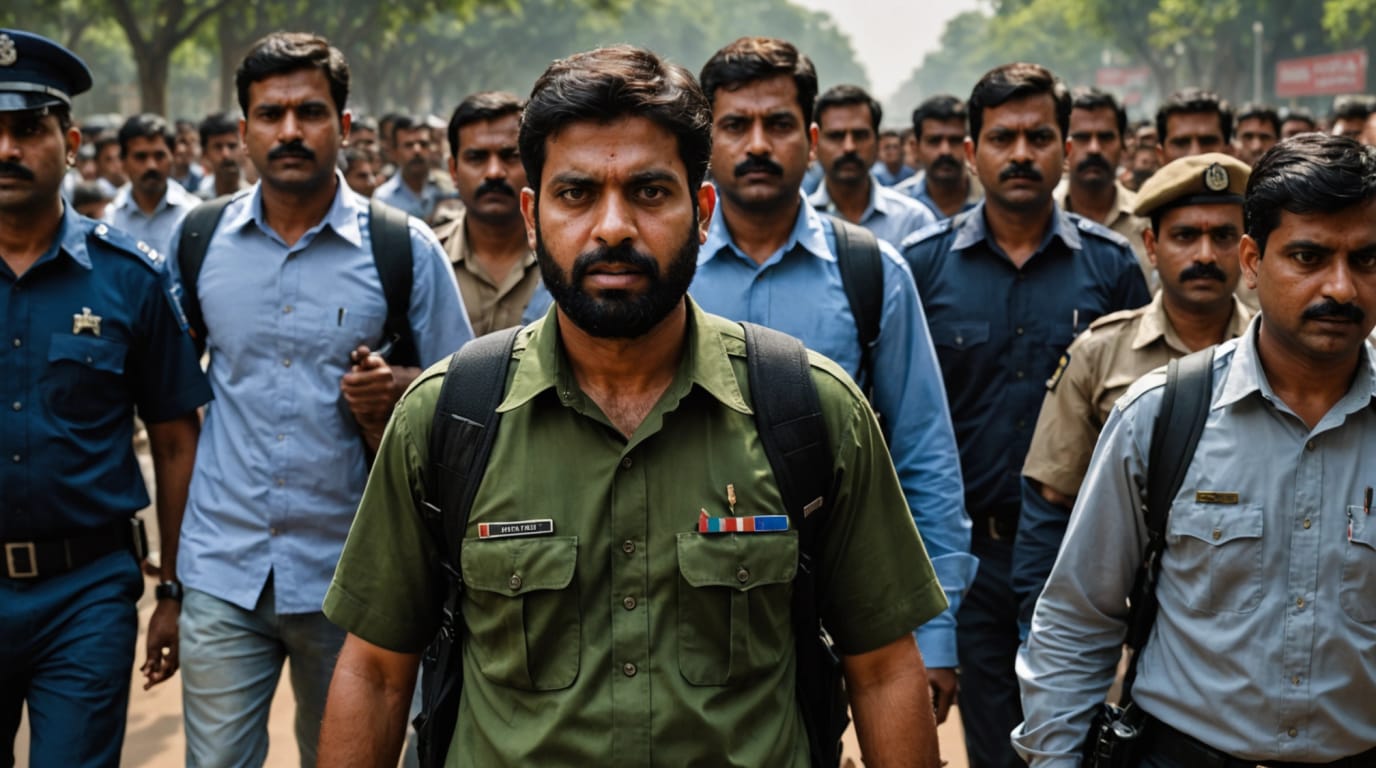
Tahawwur Hussain Rana, a key suspect in the 2008 Mumbai terror attacks that claimed 166 lives, arrived in Delhi on Thursday following his extradition from the United States. The extradition marks a significant step in India's pursuit of justice for the victims of the attacks and could potentially expose further details of the conspiracy and the involvement of Pakistani state actors.
Rana's Arrival and Arrest
Rana, a 64-year-old Pakistani-born Canadian national, landed at Delhi's Palam airport at approximately 2:50 PM, escorted by a joint team of Indian intelligence and investigative officials. Immediately upon arrival, the National Investigation Agency (NIA) formally arrested Rana after completing all necessary legal procedures at Indira Gandhi International Airport. He was then transported under heavy security to the NIA headquarters, where a high-security cell has been prepared for his interrogation. Security was significantly heightened throughout the capital, with bulletproof vehicles and armed commandos deployed.
The Charges Against Rana
Rana faces charges in India related to conspiracy, terrorism, and murder, carrying the possibility of the death penalty. He is accused of assisting David Coleman Headley, a Pakistani-American operative who conducted reconnaissance missions for Lashkar-e-Taiba (LeT), the Pakistan-based terror group responsible for the Mumbai attacks. Specifically, Rana allegedly helped Headley establish a fake immigration office in Mumbai as a cover for scouting potential targets. While a U.S. court acquitted Rana of direct involvement in the Mumbai attacks in 2011, he was convicted of conspiracy to bomb the offices of the Danish newspaper Jyllands-Posten and providing material support to LeT.
The Extradition Process
India has actively sought Rana's extradition for over a decade, encountering numerous legal hurdles in the United States. The U.S. Supreme Court ultimately rejected Rana's final plea to block his extradition, paving the way for his transfer to India. The extradition was authorized by the U.S. Secretary of State in February and was the culmination of sustained diplomatic efforts between India and the United States.
Pakistan's Response
In a carefully worded statement, Pakistan's Foreign Office distanced itself from Rana, asserting that he is a Canadian national who has not renewed his Pakistani documents in over two decades. However, Indian intelligence sources believe that Rana possesses critical knowledge of Pakistan's military-intelligence apparatus and its role in orchestrating the Mumbai attacks. Rana's known ties to Pakistan's Inter-Services Intelligence (ISI) and the Army make him a potential source of information that could expose the state's involvement.
Implications and Reactions
Rana's extradition is viewed as a major breakthrough in India's fight against terrorism. His testimony and potential revelations could expose not only the operational details of LeT but also implicate high-level protectors across the border. The appointment of Narender Mann as special public prosecutor underscores the seriousness with which India is treating the case.
Devika Rotawan, a survivor of the Mumbai attacks, expressed her belief that Rana's extradition would be a "big win for India." Israel also welcomed the extradition, with Ambassador to India Reuven Ezer congratulating the Indian government for its insistence on bringing the terrorists to justice.
The Mumbai Attacks
The 2008 Mumbai attacks were a series of coordinated terrorist attacks that took place over four days in November 2008. Ten members of LeT carried out 12 shooting and bombing attacks across Mumbai, targeting locations such as the Taj Mahal Palace Hotel, Chhatrapati Shivaji Maharaj Terminus, and Nariman House. The attacks resulted in the deaths of 166 people and injured more than 300. The attacks drew widespread global condemnation and significantly heightened tensions between India and Pakistan.
The Road Ahead
With Rana now in Indian custody, security agencies are preparing for intense interrogation aimed at uncovering the full extent of his involvement in the Mumbai attacks and exposing LeT's handlers and Pakistani state links. The trial is expected to be closely watched, both in India and internationally, as it could provide crucial insights into the planning and execution of one of the most devastating terrorist attacks in recent history. The case also serves as a reminder of the long-standing threat of terrorism and the importance of international cooperation in combating it.


