Munich Airport Grounded: Two-Day Strike Causes Mass Flight Cancellations
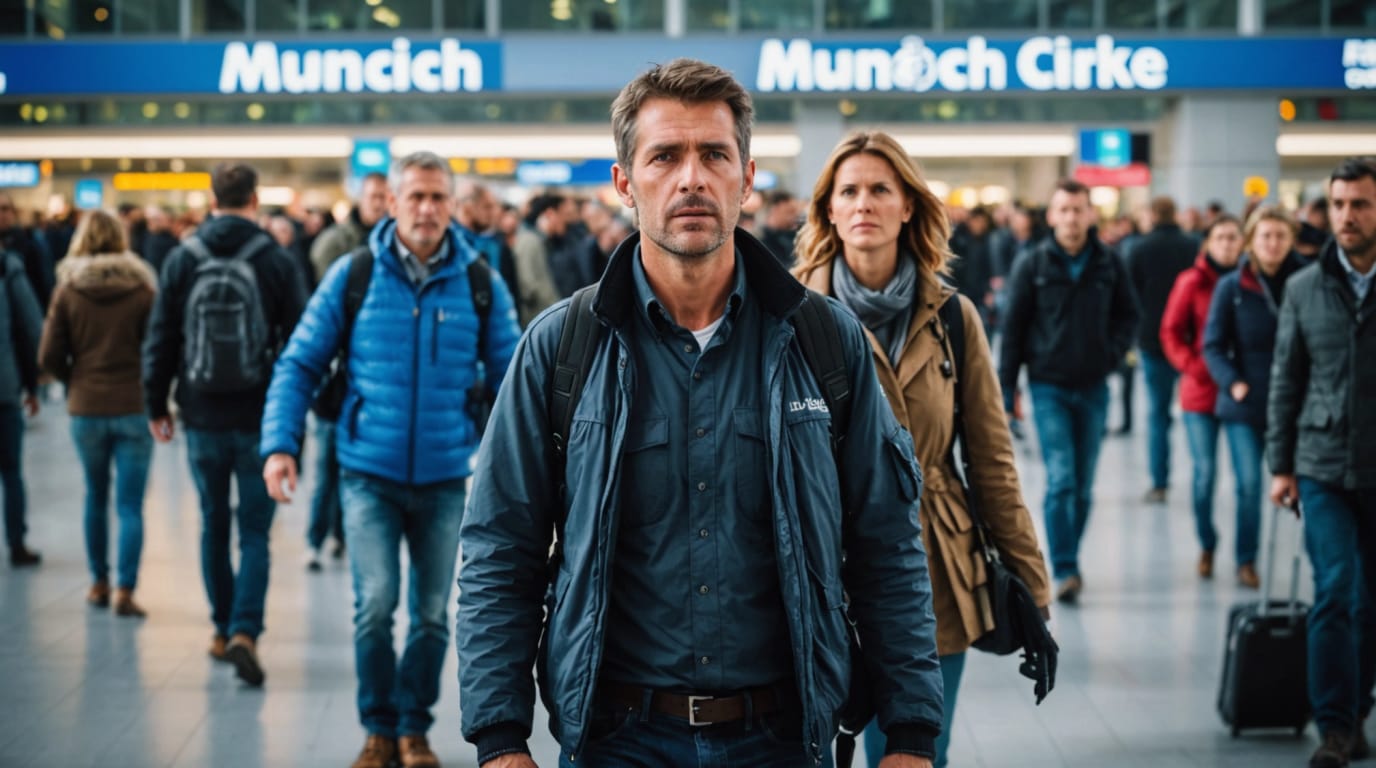
Munich, Germany – A two-day strike by airport workers at Munich Airport has triggered widespread flight cancellations and significant disruptions for travelers, leaving thousands stranded and scrambling to rebook their journeys. The strike, organized by the Verdi trade union, began early Thursday, February 27, and is scheduled to continue until late Friday, February 28, 2025.
The industrial action stems from ongoing wage negotiations between Verdi and the federal government and municipal authorities, impacting not only Munich but also causing ripple effects across other German airports and international travel networks. The union is demanding improved pay and working conditions for public sector employees, including airport staff involved in essential services such as baggage handling, security, and maintenance.
Strike Details and Demands
Verdi is seeking an 8% wage increase, or a minimum of 350 euros (approximately $366) more per month, for workers. In addition to the pay raise, the union is also requesting three additional days of paid leave annually and higher bonuses for employees in particularly stressful roles. These demands are part of broader collective bargaining negotiations affecting approximately 2.5 million public sector employees throughout Germany.
The union argues that airport workers are essential to air traffic safety and deserve better conditions amid increasing workloads and persistent staff shortages. Employers, however, have expressed concerns about the financial implications of meeting the union's demands, estimating additional costs of billions of euros for municipalities.
Impact on Flight Operations
The strike has had a devastating impact on flight operations at Munich Airport, Germany's second-busiest airport. Airport officials reported that airlines have canceled approximately 80% of scheduled flights, affecting an estimated 1,600 flights over the two-day period. Only a fraction of the usual 830 daily takeoffs and landings proceeded as planned on Thursday.
Airlines such as Lufthansa, a major hub carrier at Munich, warned of significant delays and cancellations across their group airlines. British Airways, EasyJet, and Aer Lingus also canceled services to and from Munich. The airport, which typically handles over 83,200 passengers daily and connects to 224 destinations worldwide, has become a scene of frustration and uncertainty for travelers.
Passenger Stranded and Travel Disrupted
The mass flight cancellations have left countless passengers stranded, forcing them to seek alternative travel arrangements or accommodations. Many travelers have taken to social media to express their frustration with the sudden disruptions and the challenges of rebooking flights.
Munich Airport authorities have urged passengers to check their flight status with their respective airlines before heading to the airport. Passengers whose flights have been canceled are advised not to travel to the airport to avoid further congestion. Under European Union law, passengers are entitled to a full refund for canceled flights, as well as compensation of up to 600 euros for delays exceeding three hours or cancellations made within 14 days of departure. Airlines are also obligated to provide food, drinks, and accommodation for stranded passengers.
Broader Implications and Future Negotiations
The strike at Munich Airport is part of a wave of industrial actions across Germany's public sector, reflecting growing discontent over wages and working conditions. Similar strikes have recently affected other German airports, including Düsseldorf, Cologne/Bonn, and Hamburg, causing widespread travel disruptions.
The next round of negotiations between Verdi and employers is scheduled for March 14. However, further strikes could occur if no agreement is reached, potentially leading to continued disruptions for air travelers in Germany. The outcome of these negotiations will have significant implications for the future of labor relations in the country's public sector and the overall stability of its transportation infrastructure.
Conclusion
The two-day strike at Munich Airport has served as a stark reminder of the critical role that airport workers play in the smooth functioning of air travel. As negotiations continue, passengers and businesses alike are hoping for a swift resolution to the dispute to minimize further disruptions and restore normalcy to air operations in and out of Munich. In the meantime, travelers are advised to stay informed, check their flight status regularly, and be prepared for potential delays and cancellations as the situation unfolds.


