Munich Car Attack Trial Begins: Afghan Asylum-Seeker Faces Murder Charges
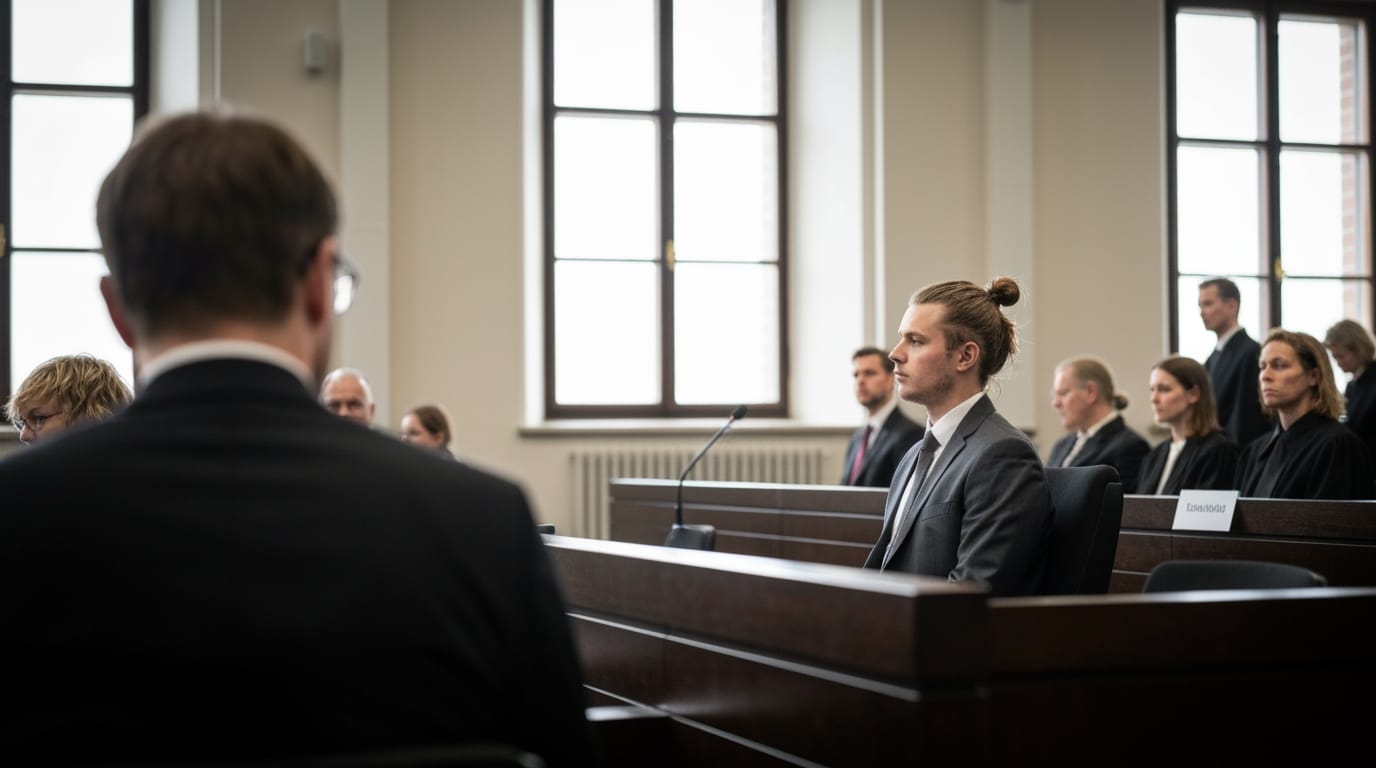
MUNICH, Germany – The high-profile trial of Farhad Noori, a 24-year-old Afghan asylum-seeker accused of intentionally driving a car into a crowd in Munich last year, resulting in two deaths and numerous injuries, commenced today, Friday, January 16, 2026, at the Oberlandesgericht Munich. The case, which profoundly impacted public discourse on immigration and security, will scrutinize the alleged religiously motivated actions that led to a tragic loss of life and sparked national outrage.
The incident, which unfolded on February 13, 2025, saw a Mini Cooper deliberately plow into a trade union street rally, transforming a peaceful demonstration into a scene of chaos and despair. Prosecutors allege that Noori's actions were driven by an "excessive religious motivation," believing he was obligated to target and kill randomly selected individuals in Germany in response to the perceived suffering of Muslims in other countries. This trial represents a critical moment for justice, seeking to provide answers and accountability for the victims and the broader German society.
The Attack: A Day of Tragedy in Munich
The deadly event occurred on a Thursday morning, around 10:30 AM, in Munich's central Maxvorstadt district. A protest march organized by the ver.di trade union, comprising approximately 1,400 to 1,500 participants, was making its way along Seidlstrasse when the white Mini Cooper, driven by Farhad Noori, suddenly veered into the crowd. Eyewitnesses and police reports indicate that Noori maneuvered around a police vehicle monitoring the tail end of the demonstration, then accelerated, ramming into the unsuspecting protesters at an estimated 50 km/h.
The vehicle traveled for about 23 meters before coming to a halt, its front wheels losing contact with the ground due to the bodies of people lying beneath and in front of it. The immediate aftermath was horrific, with dozens of individuals suffering various injuries. Tragically, a 37-year-old woman and her two-year-old daughter, both Algerian-born with Iraqi backgrounds, were among the most severely injured. They were hurled approximately 10 meters through the air and succumbed to severe head injuries days later in the hospital, becoming the attack's two fatalities. In total, 43 people were reported injured, with several others narrowly escaping harm. Police quickly apprehended Noori at the scene, reportedly firing a shot at the vehicle as he attempted to move it again, though the shot did not strike him. Upon arrest, he was heard shouting "Allahu Akbar" and making prayer gestures, immediately raising suspicions of an extremist motive.
The Accused and His Alleged Motive
Farhad Noori, who was 24 years old at the time of the attack, had arrived in Germany as an asylum-seeker in 2016. While his asylum application had been rejected, he had been spared deportation and was working in security, also known for his engagement in fitness training and bodybuilding. Investigators found no prior criminal convictions against him.
However, preliminary questioning revealed Noori's admission that he deliberately drove into the demonstration. Prosecutors, led by Gabriele Tilmann, quickly identified "religious motivation" as a key factor. According to the charges, Noori believed he was acting on a divine obligation "to attack and kill randomly selected people in Germany in response to the suffering of Muslims in Islamic countries." His social media activity also showed "Islamist" material, including posts like "Eradicate all those who are bad to Islam," further supporting the prosecution's assessment of an extremist background. Despite these indications, investigators have found no evidence linking Noori to any established jihadist organizations, such as the Islamic State group, nor any accomplices. Following his arrest, the Bavarian Central Office for Combating Extremism and Terrorism took over the investigation, a clear sign of the perceived severity and nature of the act. Noori has been held in the psychiatric unit of JVA Straubing since December 2025 but has been deemed fit to stand trial.
The Road to Trial and Charges
The investigation into the Munich attack culminated in August 2025 when Farhad Noori was formally charged. He faces two counts of murder for the fatalities, and 44 counts of attempted murder for the injured. Additionally, charges of dangerous bodily harm are included in the indictment. The trial, set to unfold over 38 court dates, is anticipated to conclude with a verdict in June 2026. The legal proceedings are expected to delve deep into Noori's state of mind, the exact sequence of events, and the extent of the religious radicalization that allegedly occurred in the months leading up to the attack. The court will hear testimony from numerous witnesses and experts to reconstruct the tragic day and ascertain criminal responsibility.
The case has drawn significant national attention, particularly given its timing just ahead of the German federal elections in February 2025. It became a focal point in the already heated debate surrounding immigration and public safety in Germany. German Chancellor Olaf Scholz condemned the incident, stating that the perpetrator "must be punished and must leave the country." The attack was also one of several violent incidents in Germany during that period allegedly involving asylum-seekers, further intensifying public and political discussions on migration policies.
Seeking Justice and Closure
The trial of Farhad Noori in Munich is more than a legal proceeding; it is a profound search for justice and closure for the victims and their families. The deliberate nature of the attack, its devastating consequences, and the alleged extremist motive have left an indelible mark on Munich and the wider German society. The proceedings will shed light on the mechanisms of radicalization, even in the absence of direct links to organized terror groups, and the challenges such incidents pose to national security and social cohesion. As the court meticulously examines the evidence, the hope remains that the judicial process will provide clarity, accountability, and a measure of solace for those impacted by this grievous act. The outcome will undoubtedly be closely watched as Germany continues to grapple with complex issues of migration, integration, and security in the face of evolving threats.


