Munich Car-Ramming Attacker Sentenced to Life in Prison for Deadly Attack
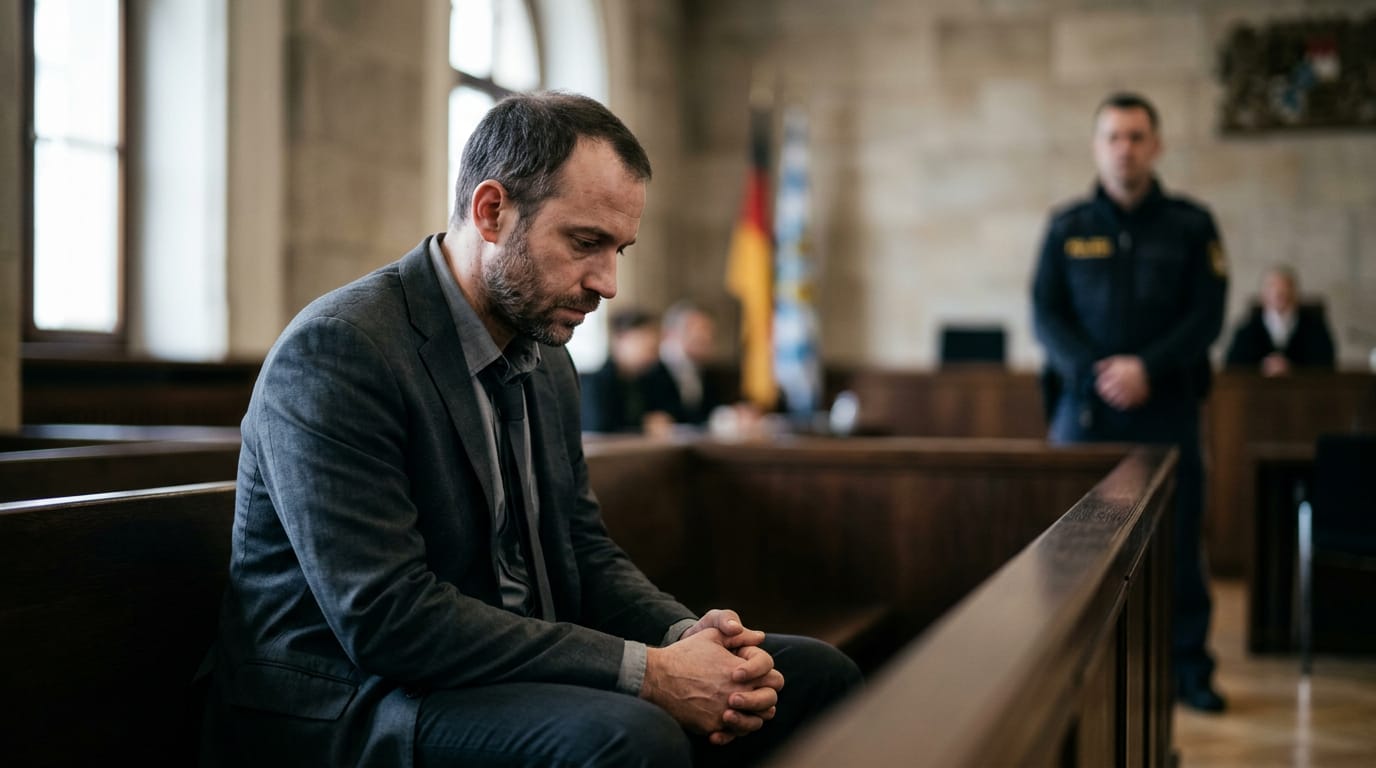
MUNICH, GERMANY – A German court today sentenced an Afghan man to life in prison for a car-ramming attack in Munich last year that resulted in the deaths of a young mother and her two-year-old daughter, and left dozens injured. The Munich court determined that the crime carried "particular gravity," a designation that significantly reduces the possibility of the 25-year-old perpetrator, identified as Farhad N., ever being released from incarceration. The verdict brings a measure of judicial closure to a case that deeply shocked Germany and ignited further debate over immigration and security policies.
The harrowing incident unfolded in February 2025, when Farhad N. deliberately drove a vehicle into a crowd attending a public rally in Munich. Specifically, the attack targeted a demonstration organized by the trade union Ver.di. The brutal act claimed the lives of a mother and her infant child, while injuring at least 28 others, some critically. Prosecutors had charged the Afghan asylum seeker with two counts of murder, 22 counts of attempted murder, and 22 counts of causing serious bodily harm, underscoring the widespread devastation wrought by his actions.
The Attack and Immediate Aftermath
The tranquil atmosphere of the trade union rally was shattered without warning. As attendees gathered, a vehicle abruptly swerved into the crowd, transforming a peaceful public assembly into a scene of chaos and tragedy. Emergency services swiftly responded to the catastrophic event, tending to the numerous casualties spread across the scene. The immediate aftermath was marked by an intensive police investigation to secure the area, identify the perpetrator, and understand the full scope of the attack. Eyewitness accounts, though harrowing, proved crucial in piecing together the initial moments of the ramming. The incident sent ripples of fear and sorrow throughout the city, prompting widespread condemnation and renewed calls for vigilance against such acts of violence. The swift apprehension of Farhad N. at the scene was a critical step in initiating the lengthy legal process that concluded today.
Unveiling the Motive: A Blend of Ideology and Personal Grievance
Throughout the investigative and judicial proceedings, the motive behind Farhad N.'s actions became a central focus. German federal prosecutors asserted that the attack was both "politically and religiously motivated." During a two-hour court hearing, prosecutors stated unequivocally that the defendant had intentionally driven the vehicle into the crowd with the explicit aim of taking human lives. They revealed that Farhad N. genuinely believed his actions were carried out "in accordance with God's will" and perceived them as a justified retaliation against the United States and other Western nations for their involvement in conflicts in Gaza and Afghanistan.
However, the prosecution also highlighted that the attacker's personal circumstances and emotional state significantly contributed to his radicalization. Farhad N. had channeled his "anger, frustration, and bitterness" towards innocent people who bore no connection to his personal grievances. This complex interplay of extremist ideology and individual resentment painted a disturbing picture of the motivations driving the deadly assault, distinguishing it from attacks solely attributed to mental illness, as seen in other car-ramming incidents in Germany.
The Trial and Landmark Sentencing
The trial, held at the Munich Higher Regional Court, meticulously examined the evidence surrounding the February 2025 attack. Prosecutors presented a compelling case, leaving "no doubt" that the defendant's actions were premeditated and intended to cause mass casualties. The charges of two counts of murder, 22 counts of attempted murder, and 22 counts of causing serious bodily harm reflected the severe impact on the victims and the premeditated nature of the attack. The court's decision to hand down a life sentence for Farhad N. is a standard penalty for murder in Germany.
Crucially, the court's additional finding that the crime possessed "particular gravity" carries significant implications for Farhad N.'s future. This designation means that he will face an exceptionally difficult path to parole, often implying that release after the standard 15 years of a life sentence will be highly unlikely. Such rulings are reserved for offenses deemed especially heinous, demonstrating the court's view of the profound and unforgivable nature of his crime. The verdict underscores Germany's firm stance against acts of terror and violence, particularly when they target innocent civilians.
Broader Societal and Political Ramifications
The Munich car-ramming attack, alongside several other incidents involving Afghan nationals in Germany, prompted a re-evaluation of the nation's immigration policies. In the wake of these events, the German government adjusted its approach to accepting Afghan migrants and resumed the deportation of convicted Afghan asylum seekers to Afghanistan, even as the country remains under Taliban control. German officials publicly articulated the view that individuals who commit serious crimes should not be permitted to remain within the country's borders.
This shift in policy reflects the complex challenges faced by European nations grappling with security concerns, integration issues, and the humanitarian responsibilities associated with asylum seekers. While the individual act of Farhad N. was condemned, its broader repercussions have undoubtedly fueled ongoing debates about migration, national security, and the measures necessary to prevent similar tragedies in the future.
A Community's Quest for Justice and Healing
Today's sentencing of Farhad N. represents a significant milestone for the victims, their families, and the wider Munich community. While no judicial outcome can ever fully heal the wounds inflicted by such a horrific act, the life sentence with the added determination of "particular gravity" offers a definitive measure of justice. It affirms the sanctity of life and the severe consequences awaiting those who seek to terrorize communities. The memory of the mother and daughter tragically lost, and the suffering of the injured, remain etched in the collective consciousness. The conclusion of this trial serves as a stark reminder of the devastating human cost of politically and religiously motivated violence, while reinforcing the resolve of the German justice system to hold perpetrators accountable.


