Murder Charges Filed in Guyana Ferry Disaster as Nation Reels from Unprecedented Loss
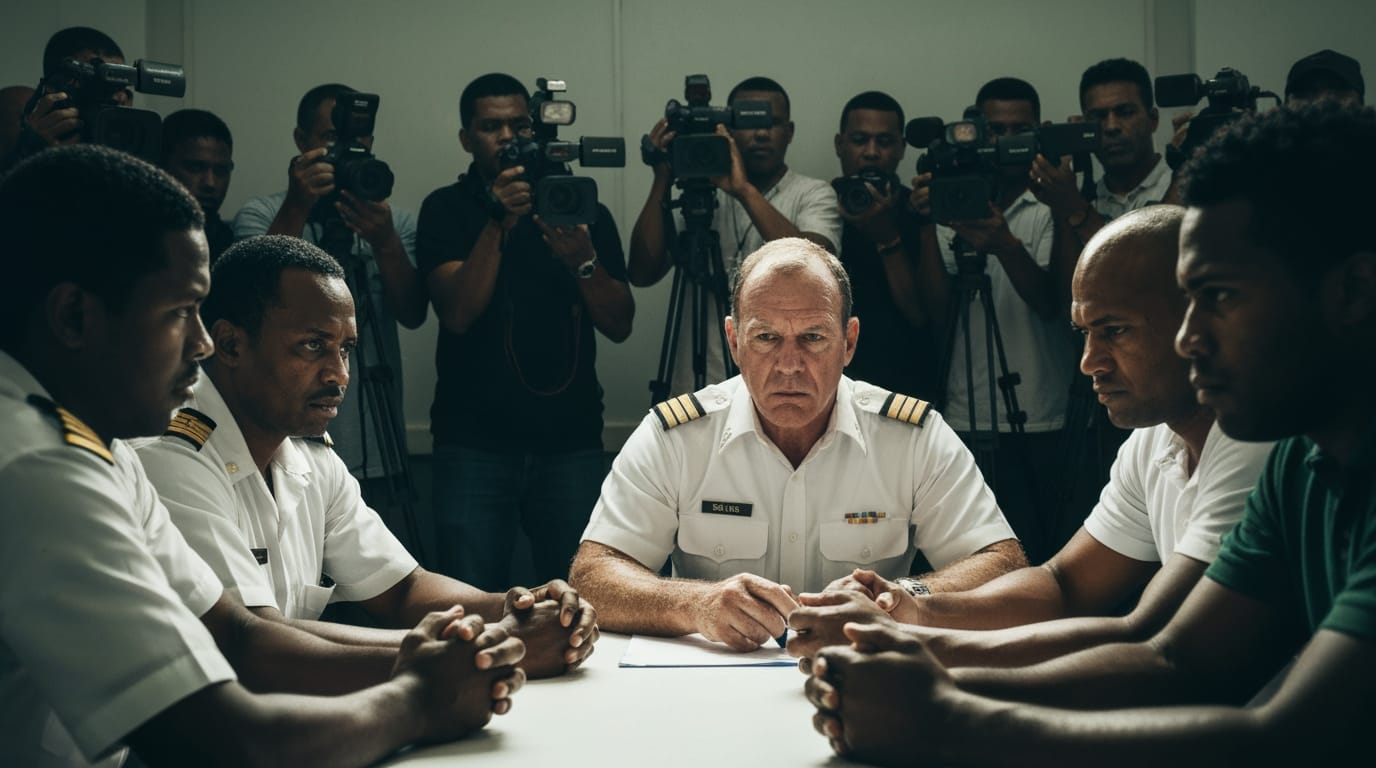
GEORGETOWN, Guyana – In a development that has sent shockwaves across the South American nation, Guyanese authorities have filed murder charges against the captain and two senior crew members of the MV Barima, a state ferry that capsized earlier this month, claiming over 70 lives and leaving dozens still missing. The charges mark a grim turning point in the investigation into what has become Guyana's worst maritime disaster on record, intensifying calls for accountability and sparking a national reckoning over transportation safety standards.
The Catastrophe Unfolds: A Routine Voyage Ends in Tragedy
The ill-fated MV Barima, an 87-year-old vessel, embarked on its weekly journey from the capital, Georgetown, to the northern town of Port Kaituma on Saturday, July 18, 2026. The ferry, initially reported to carry 133 passengers and crew, was later determined by authorities to have had 179 individuals on board when it encountered distress shortly before midnight in Atlantic waters near the Pomeroon River. A distress call was received at approximately 11:01 p.m. local time, triggering a massive search and rescue operation involving state and private assets.
Despite frantic efforts, the scale of the tragedy quickly became apparent. While 77 people were rescued, one of those passengers later succumbed to their injuries. Over 70 lives are confirmed lost, with at least 30 individuals remaining unaccounted for, their fates a source of agonizing uncertainty for grieving families. Public Works Minister Juan Edghill initially stated that the vessel was equipped with 250 life jackets and other safety rafts, denying claims of overloading or neglect. However, survivor accounts painted a starkly different picture, with some reporting the ferry was leaking and heavily overcrowded with both passengers and cargo. These conflicting narratives immediately cast a shadow over the initial government assurances and fueled public anger.
Charges of Murder and Mounting Evidence
The official investigation rapidly gained momentum, leading to a dramatic escalation in the legal proceedings. On Tuesday, July 28, 2026, Captain Kevin Price, 40, chief mate Rondell Dwayne Roberts, 42, and cargo superintendent Delon Granderson, 33, were formally charged with murder in connection with the capsizing. The trio appeared before the Georgetown Magistrates’ Court, where they were remanded to prison, though they were not required to enter pleas at that time. The case has been adjourned until August 3, 2026, and transferred to the Charity Magistrate's Court.
Adding to the gravity of the situation, Public Works Minister Juan Edghill later revealed that the captain and several other crew members had tested positive for marijuana, and inaccuracies were discovered in the ferry's passenger manifest. These revelations have raised serious questions about operational protocols, crew sobriety, and oversight on board the state-owned vessel. The decision to pursue murder charges, rather than lesser charges of negligence or manslaughter, underscores the police's belief that there was a degree of culpability beyond mere accident. The specific legal basis for these charges under common law murder in relation to a maritime disaster will likely be a central point of legal argument as the case proceeds.
A Nation Mourns and Demands Accountability
The human cost of the MV Barima tragedy is immeasurable. Stories of loss and survival have begun to emerge, illustrating the profound impact on communities. Leon Murray, a passenger, survived the ordeal along with his son, but his wife, daughter, and four grandchildren were among those who perished. His harrowing account of shouting for help in the dark waters and clinging to a floating box with his son epitomizes the terror and devastation experienced by those on board.
In response to the catastrophe and mounting public pressure, the Guyanese government announced the formation of a five-person commission composed of international legal and marine experts. This body is tasked with thoroughly investigating the sinking, including examining allegations of overcrowding and the vessel's seaworthiness. Prime Minister Mark Phillips has taken a leading role in coordinating the government's response. However, the disaster has also ignited political tensions, with opposition lawmakers publicly demanding the resignations of Works Minister Juan Edghill and Junior Minister Indar Persaud, holding them responsible for the systemic failures that may have contributed to the capsizing.
Broader Implications for Maritime Safety
The MV Barima disaster has thrust Guyana's maritime safety regulations and infrastructure challenges into the national spotlight. The country's transportation system, particularly in coastal regions, has long been plagued by issues including inadequate maintenance, poor road conditions, and limited connectivity. While these challenges primarily relate to road infrastructure, they highlight a broader context of underdeveloped transportation systems and the significant reliance on maritime transport, especially for remote communities.
Concerns about maritime safety are not new in Guyana. Previous incidents involving other state-operated ferries, such as the MV Sabanto, have underscored persistent issues. In 2017, the MV Sabanto experienced panic after accumulating water on its lower deck, raising fears of sinking. Earlier, in 2016, the MV Sabanto was involved in a collision with a stelling, with allegations of the captain and sailors being under the influence at the time. These past events suggest a recurring pattern of operational concerns and potential regulatory gaps that may have gone unaddressed.
The capsizing of the MV Barima now serves as a stark reminder of the urgent need for enhanced safety standards and robust regulatory frameworks in Guyana's maritime sector. Experts and policymakers are expected to scrutinize licensing and certification processes for seafarers, vessel maintenance protocols, and adherence to international maritime conventions. The incident carries significant implications for both local operators and international stakeholders, potentially leading to stricter regulations, increased investment in modern maritime infrastructure, and a re-evaluation of risk assessments for maritime operations in the region.
A Call for Justice and Systemic Change
The murder charges against the MV Barima's captain and crew represent a profound development in the aftermath of Guyana's deadliest maritime tragedy. As the legal proceedings unfold, they will undoubtedly illuminate the specific actions and decisions that led to such catastrophic loss of life. Beyond the courtroom, however, lies the broader imperative for systemic change. This disaster serves as a critical, painful catalyst for Guyana to confront and overhaul its maritime safety protocols, ensuring that such an avoidable loss of life never happens again. The nation watches, hoping for justice for the victims and meaningful reforms that will protect its citizens who rely on these vital waterways.


