MV Hondius Concludes Arduous Voyage Amid Hantavirus Ordeal
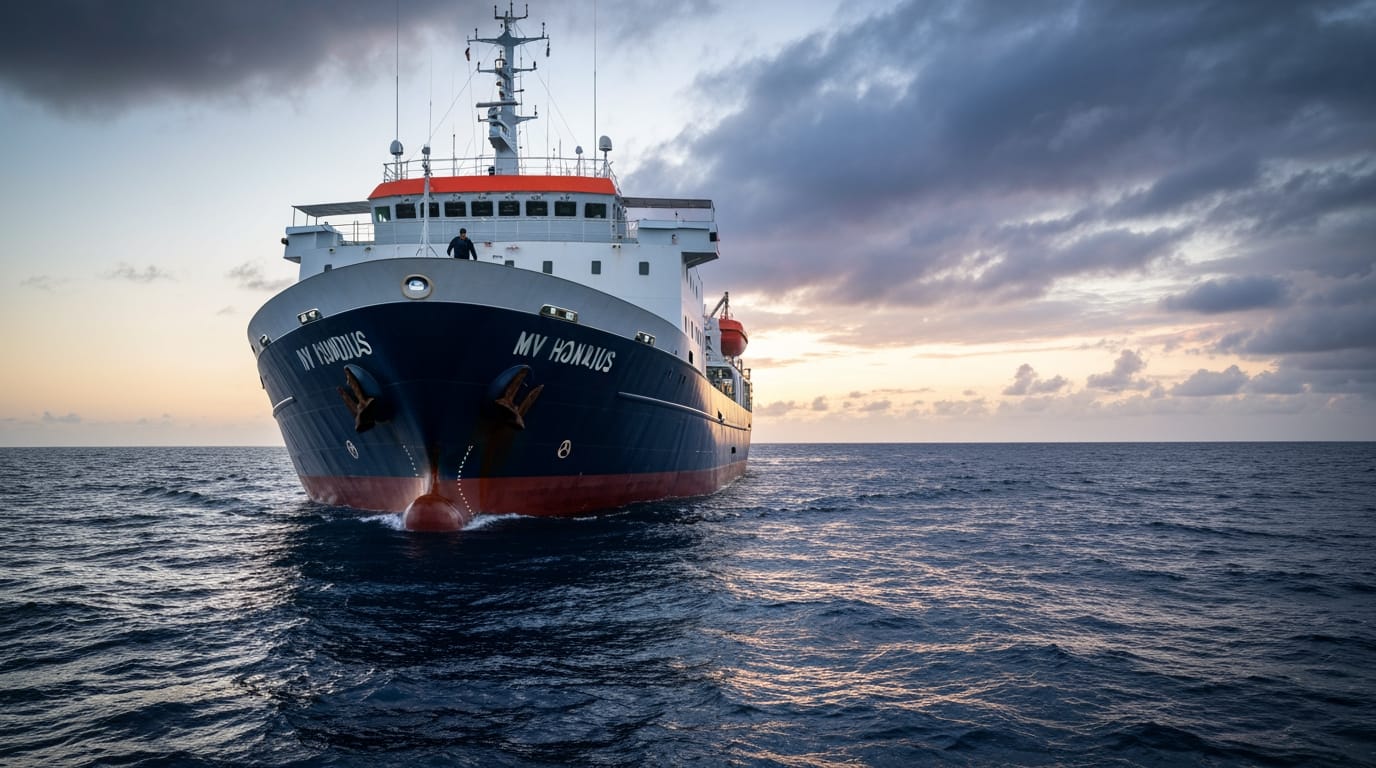
The MV Hondius, a Dutch expedition cruise ship, is slated to conclude its protracted and globally scrutinized voyage today, Monday, May 18, 2026, upon its arrival in Rotterdam, Netherlands. The vessel, owned by Oceanwide Expeditions, has been at the center of an international public health emergency following a rare hantavirus outbreak that led to multiple fatalities and infections among its passengers and crew over the past six weeks. The journey, originally an Antarctic and South Atlantic odyssey, transformed into a harrowing medical drama, prompting unprecedented quarantine measures and a coordinated international response to contain the spread of the potent Andes virus.
The Outbreak's Genesis and Early Unfoldings
The ill-fated expedition began on April 1, 2026, when the MV Hondius departed from Ushuaia, Argentina, with 114 passengers and 61 crew members on board, bound for Antarctica and various South Atlantic islands. The initial source of the outbreak has been traced to a Dutch couple who likely contracted the Andes virus during a birdwatching trip in Argentina or Chile, regions where the hantavirus is endemic, before boarding the ship. Symptoms first emerged on April 6, when a 70-year-old Dutch male passenger began to experience fever, headaches, and abdominal pain. His condition rapidly deteriorated, and he died on board just five days later, on April 11, though his death was initially attributed to natural causes.
The ship continued its itinerary, making stops at remote locations including Tristan da Cunha between April 13 and 15. On April 24, the MV Hondius docked at Saint Helena, where the deceased passenger's body was disembarked, accompanied by his 69-year-old wife and 29 other passengers. Tragedy struck again shortly thereafter; the wife became critically ill and died in a Johannesburg hospital on April 26, having collapsed while attempting to board a repatriation flight. A British passenger, who also fell severely ill with respiratory distress, was medically evacuated from Ascension Island to South Africa on April 27. On May 2, South African health authorities confirmed his hantavirus diagnosis, marking a pivotal moment in understanding the escalating crisis. The same day brought further grim news with the second on-board fatality and third overall, a German passenger. This series of events rapidly elevated the situation from a contained health concern to a full-blown international public health emergency.
A Voyage Under Global Scrutiny
As the scope of the hantavirus outbreak became clear, the MV Hondius found itself navigating not only the high seas but also a complex web of international health regulations and humanitarian concerns. The Andes virus, a particularly virulent strain of hantavirus, is unique for its capacity for person-to-person transmission, especially within confined environments like a cruise ship, distinguishing it from most other hantaviruses typically spread through rodent contact.
The ship’s next intended stop at Praia, Cape Verde, on May 3, was met with refusal for disembarkation, as local health facilities were deemed inadequate to handle a safe evacuation and the potential medical needs of the passengers and crew. This decision left 147 individuals effectively stranded on board for an extended period, amplifying anxiety and the risk of further transmission. Over the following days, more passengers and crew showed symptoms, leading to additional medical evacuations. On May 6, three more individuals were airlifted for urgent medical treatment. The World Health Organization (WHO) formally classified the situation as an outbreak, while the U.S. Centers for Disease Control and Prevention (CDC) designated it a "level 3" emergency response, signifying a significant public health event requiring extensive resources. Despite the gravity of the situation, the WHO maintained a "low risk" assessment for the general public, emphasizing that person-to-person spread is primarily limited to close-contact settings and the risk of a broader epidemic remains low.
The Tenerife Evacuation and Repatriation Efforts
After weeks at sea and mounting international pressure, the MV Hondius was eventually granted permission to dock at the Port of Granadilla in Tenerife, Canary Islands, on May 10. This marked a critical turning point in the crisis, initiating a complex and carefully orchestrated disembarkation and repatriation effort. Passengers were escorted off the vessel by personnel in full-body protective gear and breathing masks, highlighting the seriousness of the situation.
Over the next two days, all passengers and a portion of the crew were gradually disembarked. Repatriation flights, coordinated by the WHO and national governments, commenced to transport individuals back to their home countries across more than 20 nations, including Spain, France, Canada, and the United States. Upon arrival in their respective countries, many individuals were immediately placed into quarantine, often for a recommended period of 42 days, reflecting the hantavirus's long incubation period, which can range from one to eight weeks. The disembarkation process in Tenerife also saw further confirmed cases emerge; by May 11, the total number of confirmed hantavirus cases directly linked to the outbreak reached seven, with an additional Spanish passenger testing positive on May 12. As of May 17, the official count stood at nine confirmed cases and three fatalities.
Arrival in Rotterdam and Lingering Concerns
Today, Monday, May 18, the MV Hondius is scheduled to reach its final port of call in Rotterdam, Netherlands, marking the official end of its extraordinary and challenging voyage. The vessel has sailed from the Canary Islands with a "skeleton crew" of 25 and two medical personnel on board. No one currently on board is reportedly experiencing symptoms, according to Oceanwide Expeditions.
Upon arrival in Rotterdam, the ship will undergo a thorough disinfection process in accordance with Dutch public health guidelines, which incorporate WHO recommendations. The remaining crew members face a mandatory six-week quarantine period. For non-Dutch crew members unable to return home immediately, designated quarantine facilities have been established in Rotterdam. This extensive quarantine measure is based on advice from the Dutch National Institute for Public Health and the Environment (RIVM), following consultations with the WHO, and aims to mitigate any further public health risks, particularly given the challenges of enforcing quarantine and ensuring optimal medical care in some home countries. The body of the German passenger who died on May 2 has also remained on board the vessel and will be transported to Rotterdam. While authorities and health organizations emphasize the low risk of a widespread epidemic, the extended incubation period of the Andes virus means that vigilance remains high, and additional cases among those exposed could still emerge in the coming weeks.
The journey of the MV Hondius stands as a stark reminder of the complexities inherent in global travel and the intricate challenges posed by emerging infectious diseases. The international cooperation demonstrated in managing the outbreak, from the initial identification to the repatriation and ongoing monitoring efforts, underscores the critical role of public health systems in safeguarding global well-being. As the ship docks in Rotterdam, it closes a chapter on an unprecedented incident, leaving behind important lessons for the cruise industry and public health authorities worldwide.


