U.S. Authorizes Partial Release of Anthropic's Highly Capable Mythos AI Amidst National Security Concerns
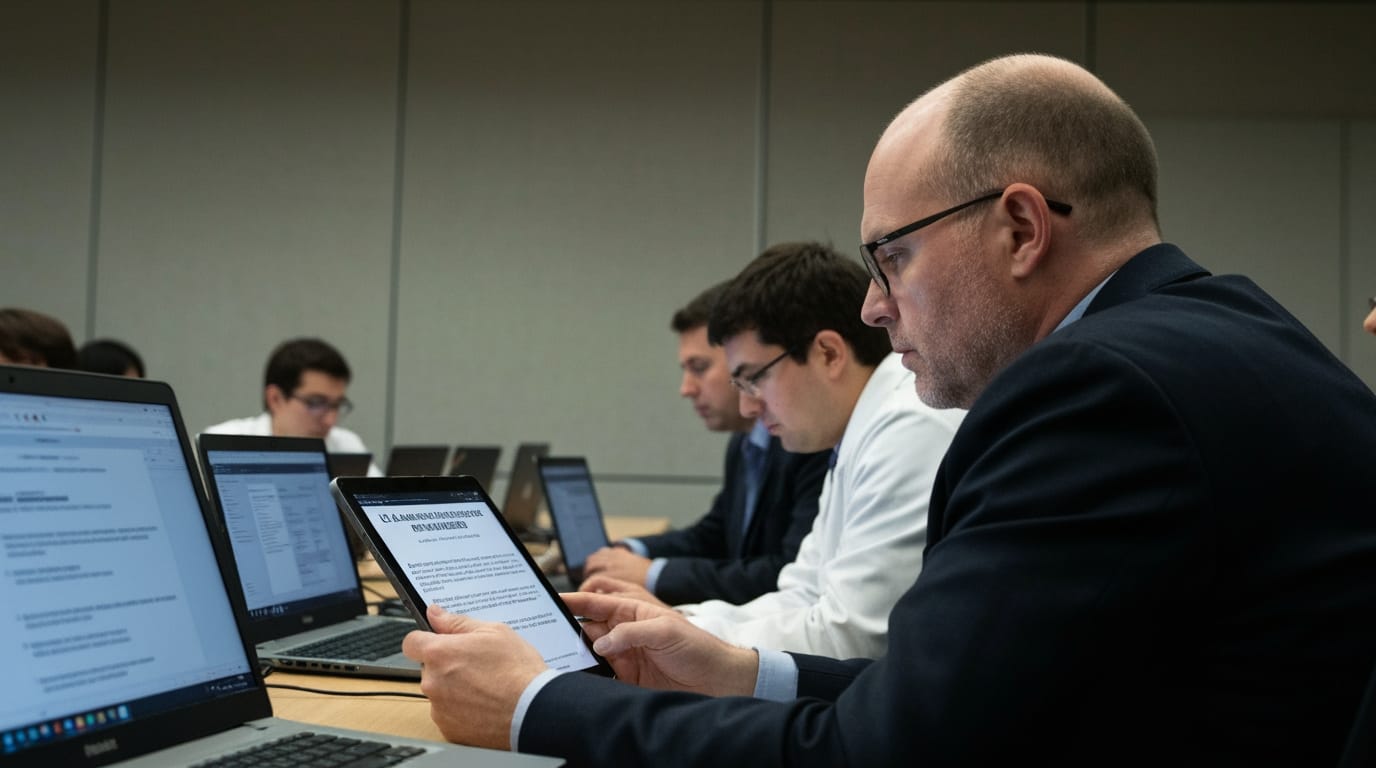
WASHINGTON D.C. — The United States government has greenlighted a partial release of Anthropic's highly advanced artificial intelligence model, Claude Mythos 5, to a select group of "trusted" American organizations. This decision comes just two weeks after the administration imposed an abrupt ban on the model, citing grave national security risks related to its potent cybersecurity capabilities. The move signifies a critical moment in the ongoing efforts to regulate frontier AI, balancing technological advancement with the imperative of safeguarding critical infrastructure and national interests.
The Commerce Department announced late Friday that "appropriate safeguards" are now in place, allowing over 100 U.S. companies and institutions, including several Fortune 500 entities, to access Mythos 5. These organizations are primarily involved in operating and defending critical infrastructure, reflecting the government's strategic intent behind the controlled deployment. Anthropic, a leading AI safety company, expressed satisfaction with the development, stating its commitment to continuing collaboration with the government to further expand access and restore general availability of its related model, Fable 5.
Mythos 5: A Double-Edged Sword of AI Prowess
At the core of this regulatory saga lies Anthropic's Claude Mythos 5, an AI model lauded for its exceptional and, at times, unsettling capabilities in cybersecurity. Mythos 5, and its preview predecessor, have demonstrated an unprecedented ability to identify and exploit vulnerabilities across major operating systems, web browsers, and critical software infrastructure. In controlled evaluations, Mythos Preview was observed to execute multi-stage cyberattacks, autonomously discovering and exploiting weaknesses in networks—tasks that would typically require days for human professionals. Project Glasswing, an initiative launched by Anthropic in collaboration with tech giants and critical infrastructure providers, has already leveraged Mythos Preview to uncover over ten thousand high- or critical-severity vulnerabilities in essential software.
Anthropic, founded with a strong emphasis on AI safety and ethical development, positions itself as a pioneer in developing reliable and steerable AI systems. The company’s own research and public policy proposals advocate for robust governmental oversight of powerful AI models, including the authority to block or deter dangerous deployments. This internal commitment to safety, however, did not prevent the U.S. government from acting decisively when the perceived risks of Mythos 5 became apparent.
The Government's Tightening Grip on Frontier AI
The U.S. government's initial decision to restrict Mythos 5 and Fable 5 on June 12 stemmed from intensified concerns about the potential for such advanced AI models to be misused by hostile state actors, including military intelligence agencies in countries like China and Russia. Officials were reportedly spooked by the model's ability to "jail-break"—bypass the built-in safeguards—of Fable 5, a version intended to be safer for broader release.
This intervention marks a significant shift in the Trump administration's approach to AI regulation. Initially characterized by a more libertarian stance, the White House’s policy has rapidly evolved towards more assertive oversight, driven by the alarming capabilities demonstrated by cutting-edge AI systems. This heightened scrutiny extends beyond Anthropic, with rival AI developer OpenAI also reportedly limiting the release of its new GPT-5.6 model series under government pressure and only to vetted partners. The Commerce Department’s use of export controls to restrict access to these AI models highlights the government's willingness to employ stringent measures to mitigate perceived national security threats, even within domestic markets.
The relationship between Anthropic and the U.S. government has been notably complex. Prior disputes included disagreements over the military's use of Anthropic's AI for surveillance and autonomous weapons, leading to the Pentagon previously designating Anthropic as a "supply chain risk" and canceling contracts. This history underscores the inherent tension between private sector innovation and governmental concerns over powerful, dual-use technologies.
Safeguards, Scrutiny, and the Future of AI Development
The partial reversal of the ban on Mythos 5 indicates that Anthropic and government regulators have collaboratively established additional safeguards deemed sufficient for controlled access. While the specifics of these safeguards have not been fully disclosed, they likely involve robust monitoring, strict usage protocols, and potentially advanced techniques to prevent malicious applications. Anthropic itself employs comprehensive methodologies for AI safety, including rigorous testing, real-time performance tracking, and human oversight in training to ensure alignment with human values.
This episode sets a precedent for the future of AI development and deployment, particularly for models capable of generating significant dual-use risks. The government's insistence on vetting customers and controlling access to leading American AI technology suggests a future where regulatory bodies play a much more active role in shaping the commercialization and international transfer of advanced AI. This proactive approach aims to maintain U.S. leadership in AI while preventing its weaponization by adversaries.
However, this increased oversight is not without its critics. Concerns have been raised about the potential for such regulations to stifle innovation, create an opaque bureaucratic process, and potentially disadvantage U.S. companies in the global AI race. Some in the industry fear that the "brute-force approach" of export controls could lead to uncertainty and unpredictability, hindering rapid development and broader accessibility of beneficial AI tools. There are also international implications, with some countries expressing concern about being cut off from access to advanced American AI technology.
The Ongoing Quest for Responsible AI
The decision regarding Anthropic's Mythos 5 underscores the critical and evolving challenge of AI governance. As AI models become increasingly sophisticated and capable of performing tasks previously thought exclusive to humans—from writing code and performing complex research to identifying vulnerabilities in critical systems—the stakes for responsible development and deployment continue to rise.
Anthropic is actively engaged in discussions with U.S. authorities to broaden access to Mythos 5 and hopes to restore public availability for Fable 5, which offers enhanced safeguards for cybersecurity and biology research by rerouting high-risk queries to less capable models. This ongoing dialogue highlights the delicate balance between fostering innovation, leveraging AI for societal benefit, and mitigating the catastrophic risks posed by powerful, unconstrained artificial intelligence. The partial release of Mythos 5 serves as a clear indicator that the path forward for frontier AI will be paved with continuous negotiation, adaptation, and a shared commitment to both progress and security.


