Myanmar Earthquake: Aid Efforts Hampered by Conflict and Access Challenges
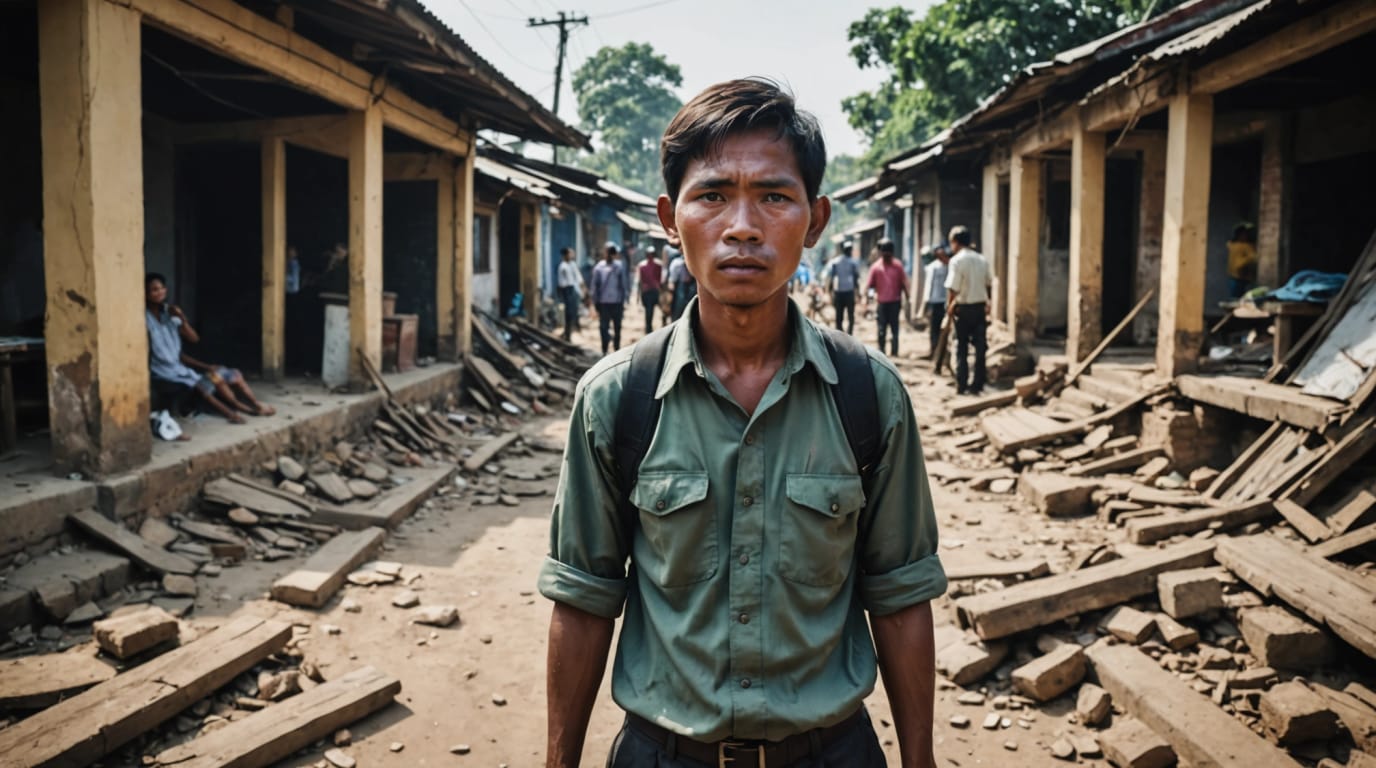
A powerful 7.7 magnitude earthquake struck Myanmar on March 28, 2025, exacerbating an already dire humanitarian crisis and posing significant challenges to aid delivery. The quake, which hit the Sagaing Region near Mandalay, the country's second-largest city, has left thousands dead, injured, and displaced, with the full extent of the damage still unfolding. While international aid has been offered and is slowly arriving, ongoing conflict, political instability, and access restrictions are hindering efforts to reach those most in need.
Devastation and Casualties
The earthquake, the most powerful to strike Myanmar since 1912, caused widespread destruction across central Myanmar and was felt in neighboring countries including Thailand, China, Vietnam, and India. The Sagaing and Mandalay regions have been particularly hard hit, with significant damage to infrastructure, including buildings, roads, and bridges.
Casualty figures vary across different sources, but all paint a grim picture. As of April 1, 2025, reports indicate that the earthquake has resulted in over 3,840 deaths and more than 4,760 injuries. Hundreds more remain missing, and the Myanmar Red Cross estimates that around 50,000 families have been directly affected. The destruction includes homes, historic temples, and critical infrastructure such as hospitals and transportation routes.
International Response and Aid Delivery
In the wake of the earthquake, the international community has pledged assistance to Myanmar. Several countries and international agencies have offered support, with rescue teams and aid shipments arriving in Mandalay and Naypyidaw.
Organizations like the International Rescue Committee (IRC) and the World Food Programme (WFP) are on the ground, providing essential support such as water, hygiene kits, medical assistance, and food. Acted, an NGO present in the region since 2008, has launched an appeal for $20 million to meet the basic needs of 600,000 people. The Asian Development Bank (ADB) is preparing a $3 million grant through the WFP for food and cash assistance. The Japanese government is providing emergency relief goods and has dispatched a medical team, along with a pledge of approximately $6 million in emergency grants through international organizations.
However, aid delivery faces significant obstacles due to the ongoing conflict and political instability in Myanmar.
Challenges to Aid Access
Myanmar has been in a state of turmoil since the military coup in February 2021. The coup triggered widespread protests and armed resistance, leading to a complex and protracted civil conflict. This conflict has severely hampered humanitarian access, making it difficult for aid organizations to reach vulnerable populations.
Amnesty International reports that the military has continued its campaign of deadly airstrikes in areas near the earthquake recovery efforts, adding to the strain and anxiety of survivors. There are also reports of aid deliveries being blocked or held up, and restrictions imposed by local authorities requiring authorization for community members to respond to the earthquake.
Human Rights Watch emphasizes that effective aid delivery hinges on engaging local partners who have the networks and experience to navigate the difficult environment. They urge concerned governments and international agencies to press the junta to allow full and immediate access to survivors wherever they are.
Political and Security Concerns
The military junta's control over the country and its restrictions on access and information pose a major challenge to aid efforts. The junta has a history of restricting aid delivery and diverting resources for its own purposes. There are concerns that aid may be used as a tool to legitimize the regime rather than to address the needs of the affected population.
The presence of various armed groups and ethnic militias further complicates the situation. Large parts of the country are controlled by these groups, making it difficult for international organizations to operate through official government channels.
The Way Forward
Addressing the humanitarian crisis in Myanmar requires a multi-faceted approach that takes into account the complex political and security landscape. Key priorities include:
- Ensuring Unimpeded Access: Pressuring the military junta and other armed groups to allow full and unimpeded access for humanitarian organizations to reach all affected areas.
- Supporting Local Actors: Working with local organizations and community groups that have established networks and a deep understanding of the local context.
- Promoting Transparency and Accountability: Establishing transparent mechanisms to ensure that aid is delivered to those who need it most and is not diverted for political or military purposes.
- Addressing the Root Causes of the Crisis: Working towards a peaceful resolution of the ongoing conflict and promoting inclusive governance that respects the rights and needs of all people in Myanmar.
- Ceasefire: Singapore's foreign minister called for a ceasefire to facilitate aid delivery. International IDEA urged all parties to adopt a total ceasefire to facilitate uninterrupted humanitarian aid.
Conclusion
The earthquake in Myanmar has created a humanitarian crisis of immense proportions, compounding the challenges already faced by a country struggling with conflict and political instability. While international aid is crucial, its effectiveness depends on overcoming the obstacles posed by the ongoing conflict, access restrictions, and political complexities. The international community must work together to ensure that aid reaches those who need it most, and to support the people of Myanmar in their long journey towards recovery and peace.


