Myanmar Earthquake Death Toll Climbs Past 3,300 as Aid Efforts Intensify
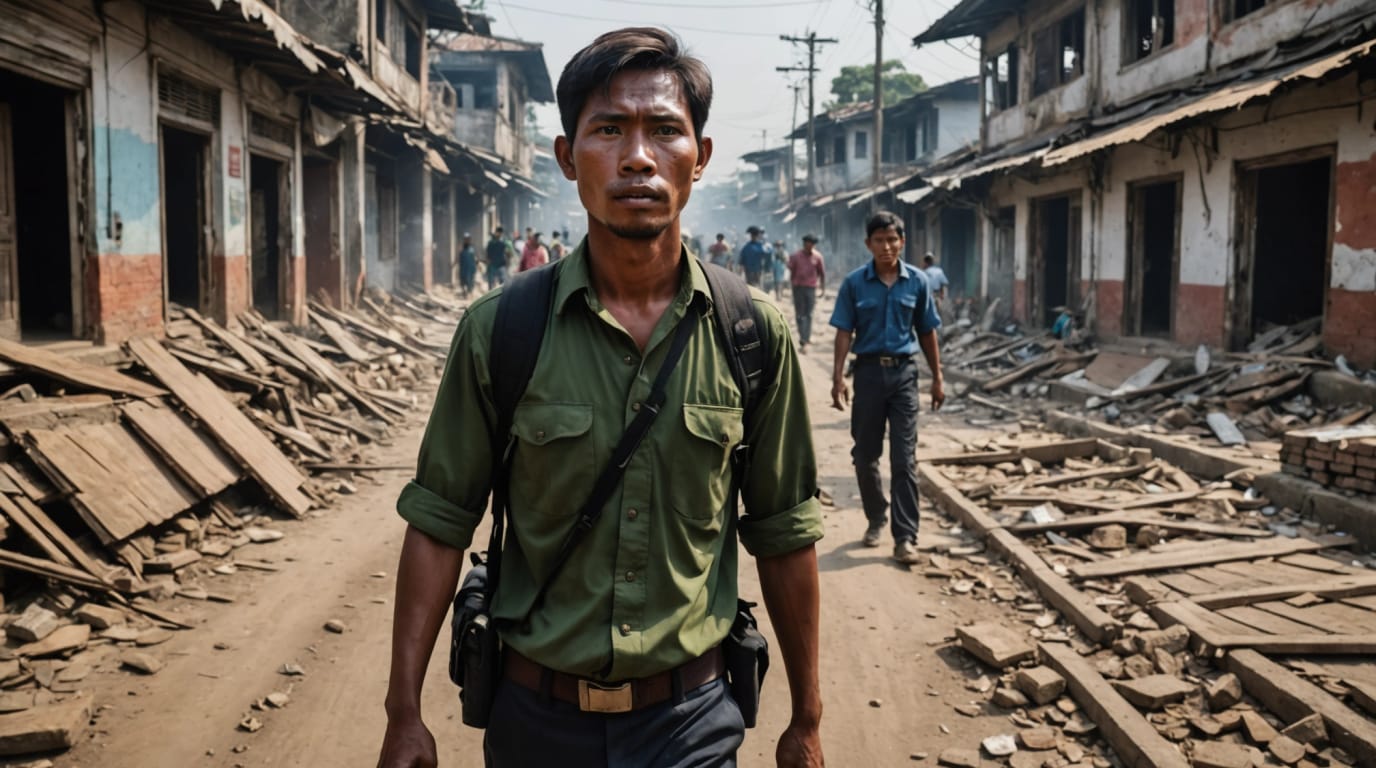
MANDALAY, Myanmar – The official death toll from the devastating earthquake that struck Myanmar on March 28 has risen to 3,354, with more than 4,850 injured and 220 still missing, according to state media reports released Saturday. The magnitude 7.7 earthquake, the strongest to hit the country since 1912, has caused widespread destruction and exacerbated an already dire humanitarian crisis.
Earthquake Details and Impact
The earthquake struck the Sagaing Region of Myanmar at 12:50 p.m. local time, with its epicenter near Mandalay, the country's second-largest city. The shallow depth of the quake, approximately 10 kilometers (6.2 miles), resulted in intense shaking that was felt as far away as Bangkok, Thailand. A significant aftershock, measuring 6.4 in magnitude, struck just 12 minutes later, compounding the damage. The United States Geological Survey (USGS) has indicated that as many as 7,000 people were exposed to violent shaking, 2.9 million to severe shaking, and 10.2 million to strong or very strong shaking.
The quake's impact has been widespread, with significant damage reported in Mandalay, Sagaing, Naypyidaw, Bago, Magway, and parts of Shan State. Infrastructure, including buildings, roads, and bridges, has been severely affected, hindering rescue and relief efforts. ISRO's Cartosat-3 satellite imagery analysis revealed significant damage to infrastructure in Mandalay, including major landmarks such as the Sky Villa, Phayani Pagoda, Mahamuni Pagoda, Ananda Pagoda, and the University of Mandalay.
Humanitarian Crisis Deepens
Even before the earthquake, Myanmar was grappling with a complex humanitarian crisis stemming from ongoing conflict, political instability, and economic hardship. The United Nations estimated that nearly 20 million people, over a third of the population, needed humanitarian assistance. The civil war that followed the 2021 coup has displaced more than 3 million people, leading to widespread food insecurity.
The earthquake has further strained the country's already limited resources and capacity to respond to the needs of its people. Local medical facilities are overwhelmed, and many areas lack access to clean water and proper sanitation, increasing the risk of disease outbreaks. Women and girls face heightened risks in overcrowded, makeshift shelters where they lack privacy and security. The mental health impact of the earthquake is also a significant concern, with many people struggling with the trauma of loss and displacement.
International Response and Aid Efforts
In the wake of the disaster, the international community has mobilized to provide assistance to Myanmar. The European Union launched a Humanitarian Air Bridge operation, with the first flight departing from Copenhagen to Yangon carrying 80 tonnes of supplies, including tents, child protection kits, health and water and sanitation kits. The EU has provided humanitarian aid to Myanmar since 1994, with total funding reaching over €446 million.
The Quad partners – the United States, Australia, India, and Japan – have committed humanitarian assistance estimated at a combined value of over USD 20 million. The UK has also increased its support, pledging up to £25 million for vital humanitarian assistance. Samaritan's Purse is airlifting an Emergency Field Hospital and other supplies to provide life-saving care and relief. The Malaysian Red Crescent is contributing 3 tonnes of relief items, including kitchen sets, hygiene kits, blankets, and mosquito nets, as part of a 15-tonne shipment.
The United Nations is coordinating the international response and has allocated $12 million in emergency funding for food, shelter, water, sanitation, mental health support, and other services. UN aid chief Tom Fletcher visited Mandalay and praised humanitarian and community groups for leading the aid response with "courage, skill and determination."
Challenges and Obstacles
Despite the outpouring of support, significant challenges remain in delivering aid to those who need it most. Access to affected areas is hampered by damaged infrastructure, ongoing conflict, and restrictions imposed by the military junta. The UN Office of the High Commissioner for Human Rights has reported that the junta is restricting aid supplies to quake-hit areas where communities do not support its rule.
The military government declared a temporary ceasefire in the civil war to facilitate earthquake relief efforts, but reports indicate that fighting has continued in some areas. The National Unity Government (NUG), a shadow government formed by opponents of the junta, has also declared a partial ceasefire and allocated $1 million to rescue and relief operations.
Looking Ahead
The earthquake in Myanmar has created a humanitarian crisis of immense proportions, exacerbating existing challenges and pushing already vulnerable communities to the brink. While the international community has stepped up to provide assistance, sustained and coordinated efforts are needed to ensure that aid reaches those who need it most and that the country can begin to rebuild. The focus must remain on providing life-saving assistance, protecting vulnerable populations, and supporting long-term recovery and resilience. The road ahead will be long and difficult, but with the support of the international community and the resilience of the Myanmar people, recovery is possible.


