Myanmar Earthquake Death Toll Soars to Nearly 700
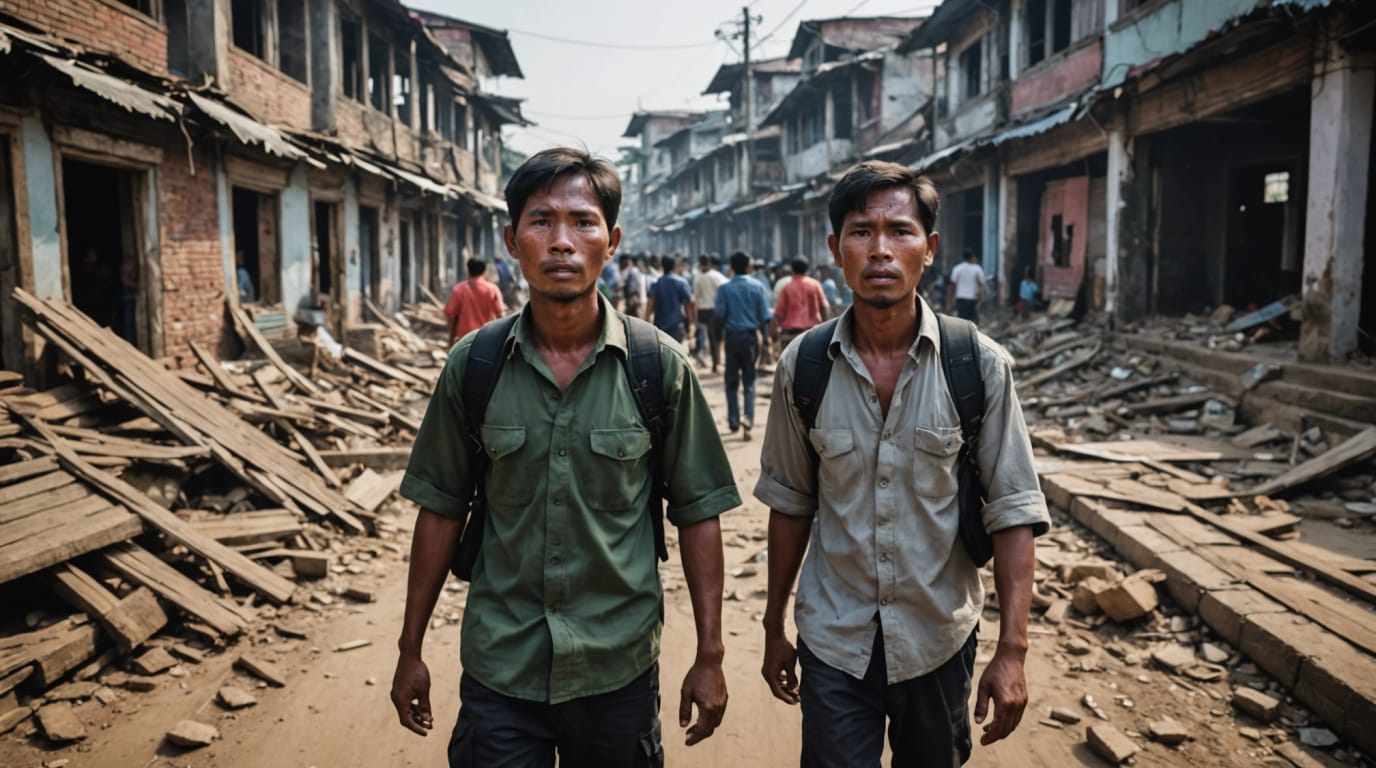
A powerful 7.7-magnitude earthquake has devastated Myanmar, leaving a trail of destruction and a rapidly climbing death toll. As of Saturday, March 29, 2025, the country's ruling junta reported that nearly 700 people have died, and almost 1,700 have been injured. The shallow quake, which struck on Friday, caused widespread damage, particularly in the Mandalay region, and has triggered a state of emergency in six regions.
Mandalay Region Hit Hardest
The Mandalay region, Myanmar's second-largest city and near the earthquake's epicenter, has borne the brunt of the disaster. The junta's information team confirmed 694 deaths and 1,670 injuries in the region alone. In Amarapura, a township within Mandalay, rescue workers have recovered at least 30 bodies from collapsed apartment buildings. One rescuer described the devastation, estimating that nearly 20% of the town's buildings had been destroyed. Photos from Mandalay depict scenes of collapsed buildings reduced to rubble and twisted metal, with rescue efforts underway.
Communications Hampered, True Scale Unknown
While the official death toll stands near 700, authorities caution that the actual number is likely to rise significantly. Patchy communications and the extent of the damage are hindering efforts to fully assess the situation. The destruction of infrastructure, including roads and bridges, is further complicating rescue and aid delivery efforts. The Ava bridge, a century-old structure spanning the Irrawaddy River from Sagaing, collapsed into the water below, cutting off a key transportation route.
International Aid Arrives
In the wake of the disaster, international aid has begun to arrive in Myanmar. India was among the first to respond, dispatching a C-130J aircraft carrying 15 tonnes of relief material. The aid package includes tents, sleeping bags, blankets, ready-to-eat meals, water purifiers, hygiene kits, solar lamps, generator sets, and essential medicines. A search and rescue team and medical team are also accompanying the flight. China and Russia have also sent rescue teams, and U.S. President Donald Trump has pledged assistance, despite ongoing cuts to the U.S. Agency for International Development (USAID). USAID disaster experts are reportedly prepared to provide essential supplies such as food and clean water.
Geological Context and Regional Impact
The earthquake's impact was felt across the region, with reports of shaking from India to the west and China to the east, as well as Cambodia and Laos. The quake occurred along the Sagaing Fault, a major geological feature running from the coast to Myanmar's northern border. Geologists Judith Hubbard and Kyle Bradley have described the Sagaing Fault as "one of the most dangerous strike-slip faults on Earth" due to its proximity to major cities like Yangon, Mandalay, and the capital, Naypyidaw. The fault's relatively simple and straight structure is believed to contribute to the potential for especially large earthquakes. In neighboring Thailand, at least six deaths were reported in Bangkok after a high-rise under construction collapsed.
Junta Appeals for Assistance
Myanmar's military leader, General Min Aung Hlaing, has issued a rare appeal for international assistance, underscoring the severity of the disaster. The junta has declared a state of emergency in six regions, including Mandalay, and has ordered a prompt rescue effort in affected areas. The appeal for aid marks a significant moment for the isolated nation, which has faced international scrutiny for its human rights record and political instability. The earthquake has not only caused immense physical damage but also presents a complex humanitarian challenge for the country.
The earthquake in Myanmar serves as a stark reminder of the region's vulnerability to seismic activity and the importance of disaster preparedness. As rescue efforts continue and the full extent of the damage becomes clear, the focus will shift towards providing long-term support to the affected communities and rebuilding infrastructure. The international community's response will be crucial in helping Myanmar recover from this devastating event.


