Myanmar Earthquake Death Toll Surpasses 3,600 as Rescue Efforts Continue
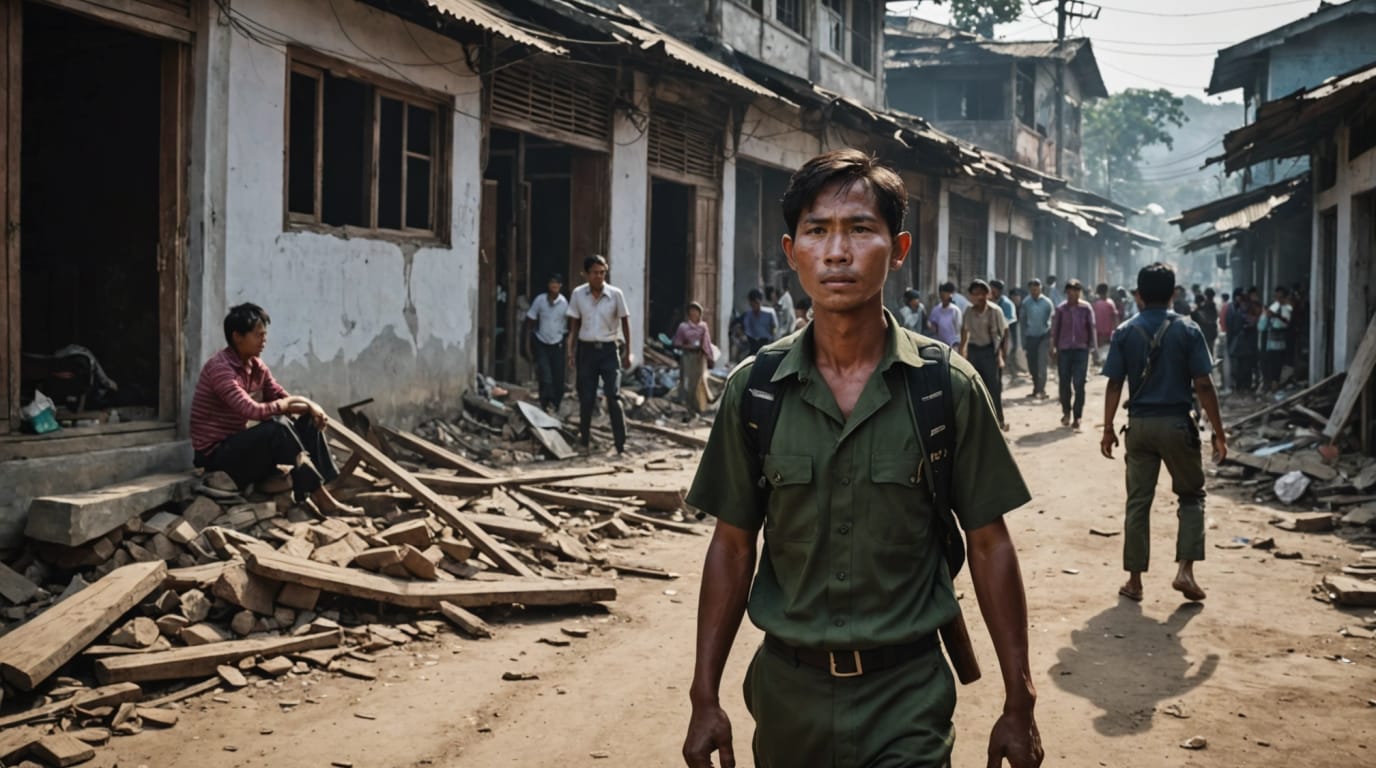
YANGON, Myanmar – The death toll from the powerful earthquake that struck Myanmar last Friday has climbed to over 3,600, according to the latest reports. Rescue workers are continuing their search for survivors amidst the rubble, but hopes are fading as days pass since the disaster. The magnitude 7.7 earthquake has caused widespread devastation across the Sagaing Region and beyond, leaving thousands injured and hundreds still missing.
Widespread Devastation and Rising Casualties
The earthquake, which struck at 12:50 PM local time on March 28, 2025, was the most powerful to hit Myanmar in over a century. Its epicenter was located near Mandalay, the country's second-largest city, and the tremors were felt as far away as Thailand and southwestern China. The shallow depth of the quake, at only 10 kilometers, amplified its impact, causing buildings to collapse and infrastructure to crumble.
The number of casualties continues to rise as rescue teams comb through the debris. According to data compiled by the Democratic Voice of Burma, more than 3,600 people have died, 359 are missing, and 3,517 have been injured. Other sources report varying figures, but all confirm the immense scale of the tragedy. The Myanmar junta reported over 2,710 deaths, 441 missing, and 4,520 injured. Deaths have been reported in the administrative areas of Mandalay, Naypyidaw, Sagaing, Shan, Bago, and Kayin.
Rescue Efforts and Humanitarian Crisis
Rescue efforts are underway, but are being hampered by the extent of the damage and the ongoing civil war in the country. International aid and rescue teams have joined the effort, with reports of survivors being pulled from the rubble days after the quake. A 63-year-old woman was rescued from a collapsed building in the capital city of Naypyidaw on Tuesday, offering a rare glimmer of hope amidst the devastation.
The earthquake has exacerbated an already dire humanitarian situation in Myanmar, where a bloody civil war has been raging. The UN assistant secretary general stated that the central and northwestern regions hit by the earthquake were already facing near-relief type situations before the quake. Approximately 4 million people in urban cities and towns and 10 million in rural areas are in need of immediate assistance, including food, water, and medical care. Many hospitals have been badly damaged, and power outages are widespread.
Impact on Infrastructure and Religious Sites
The earthquake has caused extensive damage to infrastructure, including roads, bridges, and airports. The Ava Bridge in Sagaing city partially collapsed, hindering rescue efforts. Mandalay International Airport sustained damage to its ceilings and basement. Buildings at Mandalay University collapsed or caught fire, trapping many inside.
Religious sites have also been heavily affected. The All Myanmar Islamic Religious Organization estimated that at least 250 people died as over 50 mosques collapsed during Friday prayer time. The junta reported that 670 Buddhist monasteries and 290 pagodas had been damaged. In Sagaing city, four out of five mosques collapsed, and several monastic schools and a nunnery were damaged, likely resulting in hundreds of deaths and trapping over 900 monks.
International Response and Aid
The international community has responded to the disaster with offers of aid and assistance. Rescue teams and humanitarian organizations from neighboring countries and beyond are working to provide relief to the affected areas. However, access to some areas remains challenging due to the ongoing conflict and logistical difficulties.
The Myanmar junta has declared a week of national mourning and directed that national flags be flown at half-mast until April 6. A minute of silence was observed on Tuesday to honor the victims of the earthquake.
Earthquake Felt in Neighboring Countries
The earthquake's impact was not limited to Myanmar. Neighboring Thailand also experienced significant damage, with at least 19 deaths reported. Hundreds were reported missing, including at a collapsed construction site in Bangkok. The shallow geology of Bangkok makes it more vulnerable to seismic waves from far away, increasing the city's susceptibility to earthquake-related impacts.
Long Road to Recovery
The earthquake has left a trail of destruction and suffering in its wake. The road to recovery will be long and challenging, requiring sustained efforts from the government, international organizations, and local communities. The immediate priorities are to provide emergency relief to those affected, search for and rescue any remaining survivors, and begin the process of rebuilding damaged infrastructure.
The disaster has highlighted the vulnerability of Myanmar to natural disasters and the need for improved disaster preparedness and response mechanisms. The ongoing civil war further complicates the situation, making it difficult to deliver aid and rebuild affected areas. The international community must continue to provide support to Myanmar in its efforts to recover from this devastating earthquake and address the underlying challenges that exacerbate the impact of such disasters.


