Myanmar Refugees in Thailand Face Drastic Food Aid Cuts Amid Funding Shortfalls
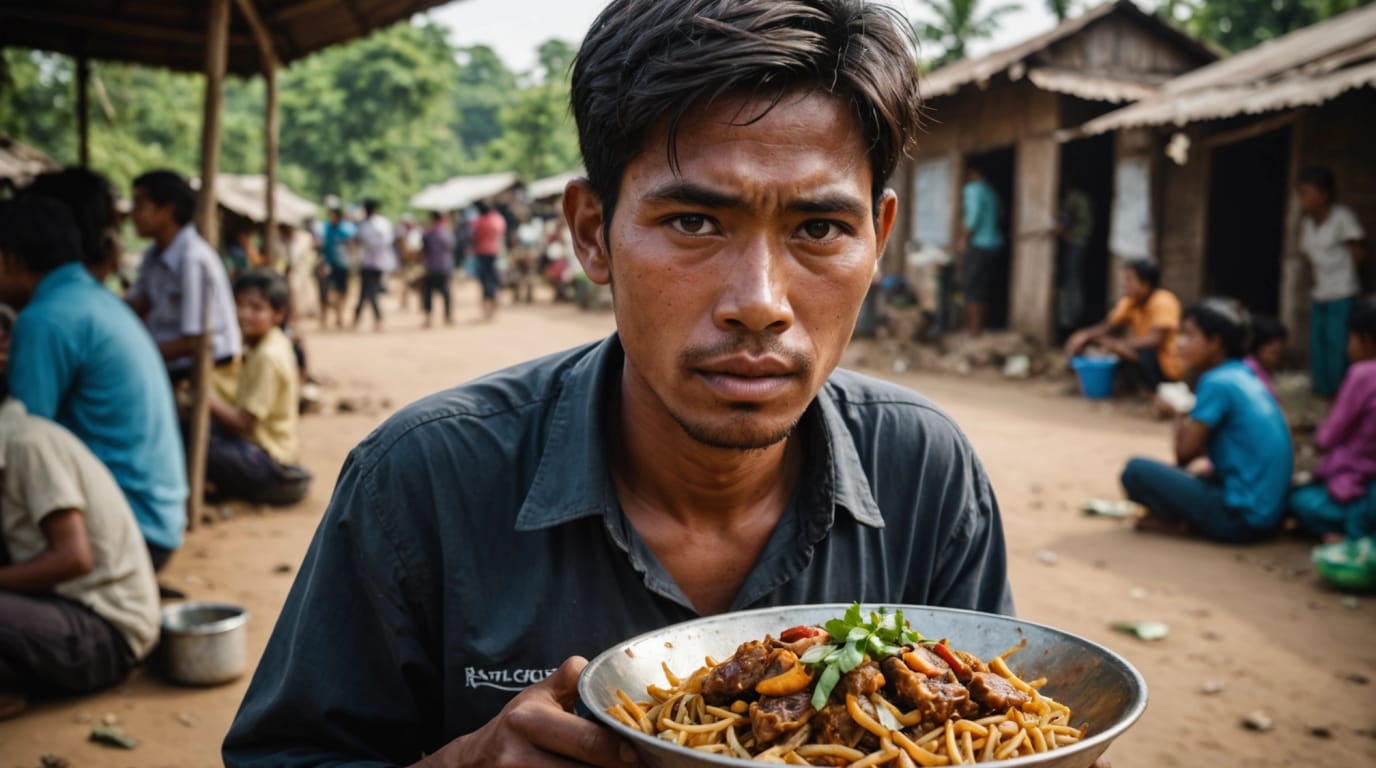
Refugees from Myanmar residing in camps along the Thai-Myanmar border are facing severe reductions in food assistance, threatening to worsen already precarious living conditions. Funding shortfalls have forced aid organizations to drastically cut rations, leaving vulnerable families struggling to meet their basic needs.
For over four decades, The Border Consortium (TBC) has served as the primary provider of food, shelter, and other essential support to refugees living in nine temporary shelters along the Thai-Myanmar border. These camps house nearly 110,000 individuals, many of whom have resided there for generations after fleeing conflict between the Myanmar military and ethnic armed groups. Others have arrived more recently, particularly after the 2021 coup that intensified the conflict. Due to Thai government policies, refugees are prohibited from leaving the camps to seek employment, making them entirely dependent on external aid for survival.
The looming cuts, set to last from April to July 2025, stem from a significant funding shortfall impacting TBC's operations. While the organization clarified that the shortfall is not directly related to the U.S. Executive Order on foreign assistance issued in January, uncertainty surrounding future donor support remains a major concern. The cuts will disproportionately affect the "standard household group" (STD), which includes families with a combined income of between 1,000 and 5,000 Thai Baht (approximately $29 to $147 USD) per month. This group will experience a staggering 75% reduction in food aid.
Prior to the cuts, adults in the STD group with no other income received 322 THB (about $7 USD) per month for food, while children aged six months to five years received 203 THB (about $6 USD). Under the new reductions, adults will receive only 84 THB (about $2.48 USD) per month, and children will receive a mere 51 THB (about $1.50 USD). Although reductions vary slightly from camp to camp, the overall impact is devastating. The most vulnerable groups, including families with no income, female-headed households, widows, individuals with chronic illnesses, and the elderly, will also experience a 10% reduction in aid.
The aid reductions are implemented through a food card system, where TBC transfers monthly allowances onto cards that refugees can use to purchase approximately 40 designated food items within the camps. TBC spends an average of $1.3 million USD each month to support the refugees. The organization has warned that the cuts could lead to severe consequences and is appealing for donations to mitigate the impact.
Save the Children has also raised concerns about the impact of the food cuts, particularly on children's education. With families struggling to afford basic necessities, many are considering pulling their children out of school to help earn money or support the family's needs. Schools are already facing financial difficulties, with limited funding to pay teachers or repair infrastructure. The added burden on parents could lead to the collapse of basic education services within the camps.
The situation is further compounded by a recent earthquake that struck Myanmar and parts of Thailand. The earthquake exacerbated the already dire conditions in the refugee camps, damaging school structures and adding to the overall sense of vulnerability. Save the Children is assessing the safety of school structures and providing mental health support to teachers and families affected by the earthquake.
TBC is working closely with the Royal Thai Government to advocate for expanded opportunities for local work and greater self-sufficiency for displaced communities. However, until such opportunities become available, refugees remain heavily reliant on food aid for their survival. The organization has prioritized the needs of the most vulnerable households, who will continue to receive their full nutritional entitlements. TBC has expressed deep regret for the hardship the cuts will cause and is exploring all possible avenues to secure emergency and long-term funding.
The drastic food aid cuts represent a significant setback for the refugees from Myanmar living in the Thai border camps. These cuts not only threaten their immediate well-being but also jeopardize their long-term prospects, particularly for children. The international community must step up to address the funding shortfalls and ensure that these vulnerable populations receive the support they need to survive and maintain a semblance of dignity. Failure to do so could result in a humanitarian disaster, with far-reaching consequences for the refugees and the region.


