Nagpur Violence Exposes Deepening Divides in India
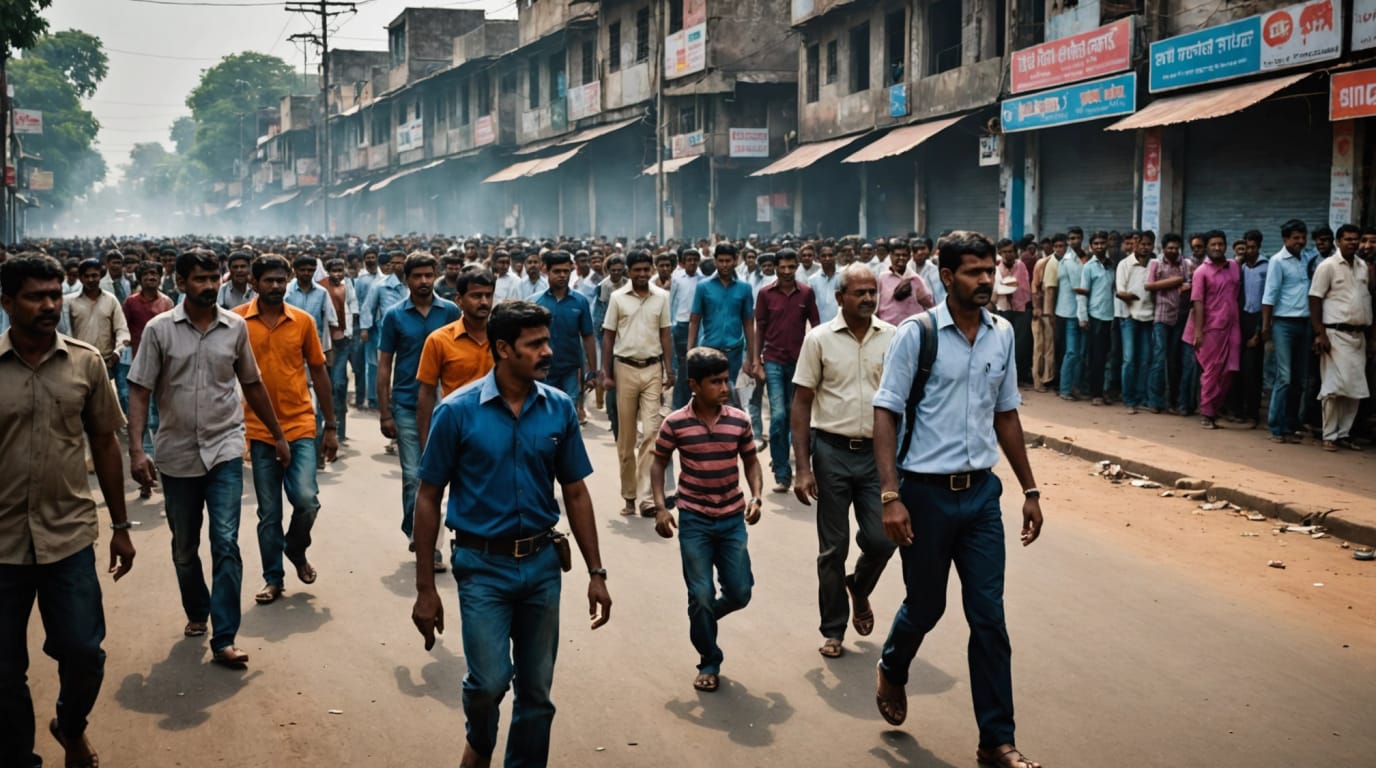
Nagpur, Maharashtra – Violent clashes erupted in Nagpur on Monday, March 17, 2025, leaving the city reeling and highlighting the increasingly fragile social fabric of India. The immediate trigger for the unrest appears to be rumors surrounding the alleged desecration of a holy inscription during protests led by the Vishwa Hindu Parishad (VHP) and Bajrang Dal. These groups were demanding the removal of Mughal emperor Aurangzeb's tomb in Chhatrapati Sambhajinagar (formerly Aurangabad). However, the incident has brought to the surface a complex interplay of religious sentiments, historical grievances, and political maneuvering that underscores a deepening divide within the nation.
The Spark: Protests and Rumors
The VHP and Bajrang Dal organized a rally in Nagpur's Mahal area, calling for the destruction of Aurangzeb's tomb. During the protest, an effigy of Aurangzeb was burned. Simultaneously, rumors began circulating that the Quran, the holy book of Islam, had been desecrated. These rumors, amplified by social media, ignited widespread anger and resentment, particularly within the Muslim community. Maharashtra Police's Cyber cell later reported that an individual had been arrested for editing and circulating videos that glorified the violence, further fueling the unrest.
Inferno: Violence Erupts
As night fell, the situation escalated rapidly. Mobs took to the streets, engaging in vandalism, arson, and violence. Vehicles were damaged, petrol bombs and stones were hurled at police, and homes were attacked. Tragically, 33 police personnel, including three Deputy Commissioners of Police (DCPs), sustained injuries while attempting to quell the unrest. An FIR also alleges that some rioters misbehaved with a female police constable and attempted to disrobe her during the chaos. The swiftness and intensity of the violence suggest a level of pre-planning and coordination, raising concerns about the involvement of organized groups.
Historical Grievances and Political Maneuvering
The controversy surrounding Aurangzeb's legacy is a significant factor contributing to the tensions. Some Hindu nationalist groups view Aurangzeb as a symbol of historical injustice and oppression, citing his destruction of temples and imposition of discriminatory policies. The demand for the removal of his tomb is seen by these groups as a way to right historical wrongs and assert Hindu cultural dominance. Conversely, many Muslims view Aurangzeb as an important figure in their history and see the calls for the tomb's removal as an attack on their identity and heritage. The issue has become a rallying point for both Hindu and Muslim groups, exacerbating existing communal tensions.
Law Enforcement and Government Response
In the wake of the violence, law enforcement agencies have taken swift action to restore order and apprehend those responsible. Police conducted combing operations and arrested dozens of individuals allegedly involved in the riots. Curfews were imposed in several areas of the city to prevent further clashes. The Maharashtra government has also announced measures to address the underlying tensions and prevent future outbreaks of violence. Chief Minister Devendra Fadnavis, who also holds the home portfolio, stated that the violence appeared premeditated. However, critics argue that the government's response has been inadequate and that more needs to be done to address the root causes of the conflict.
Calls for Peace and a Path Forward
Following the Nagpur violence, community leaders, religious figures, and political representatives have issued appeals for peace and unity. They have urged citizens to refrain from spreading rumors, to respect each other's beliefs, and to work together to rebuild trust and understanding. Former Chief Minister of Rajasthan and Congress leader Ashok Gehlot urged the ruling government not to divide people on the basis of caste and religion. The government has also announced measures to address the underlying tensions and prevent future outbreaks of violence. However, the path to reconciliation will require sustained efforts to address historical grievances, promote interfaith dialogue, and combat the spread of misinformation.
The Nagpur violence serves as a stark reminder of the challenges facing India as it grapples with issues of religious polarization and social division. The incident underscores the need for strong leadership, effective law enforcement, and a commitment to promoting inclusivity and tolerance. Unless these challenges are addressed head-on, the risk of further violence and instability will remain a clear and present danger to the nation's future.


