NASA Astronauts Return to Earth After Unexpectedly Long Stay on ISS
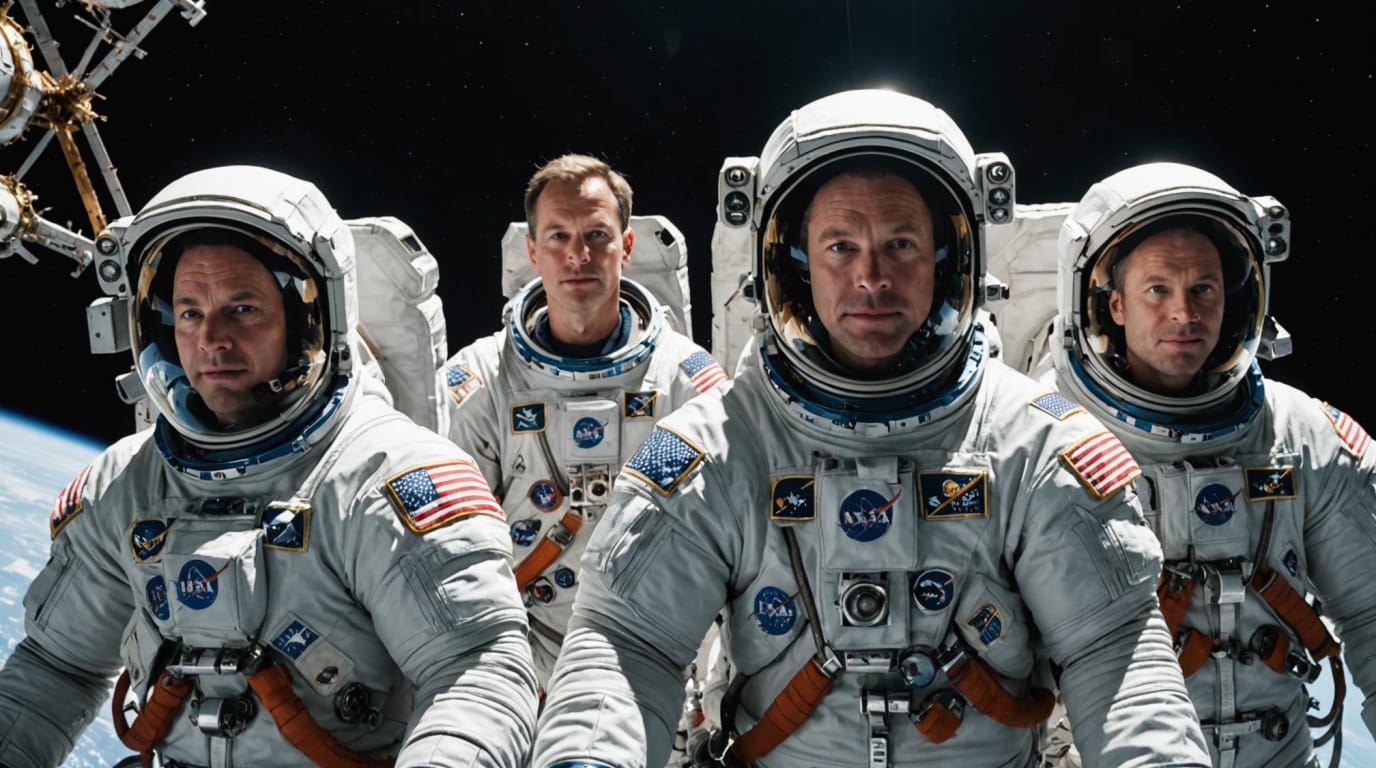
After an extended nine-month mission aboard the International Space Station (ISS), NASA astronauts Sunita Williams and Barry "Butch" Wilmore are finally on their way back to Earth. Their return, initially planned for a brief eight-day stay, was significantly delayed due to complications with Boeing's Starliner spacecraft, leaving them stranded in orbit far longer than anticipated. The pair departed the ISS aboard a SpaceX Crew Dragon capsule early Tuesday morning, setting course for a splashdown off the coast of Florida later in the evening.
Stranded in Space: The Starliner Setback
Williams and Wilmore arrived at the ISS in June 2024 as part of Boeing's first Starliner Crew Test Flight. The mission was intended to evaluate the Starliner's capabilities for transporting crew to and from the ISS. However, shortly after reaching orbit, the Starliner encountered a series of issues, including helium leaks and failures in its reaction control system thrusters. NASA deemed the spacecraft unsafe for crewed return, and the Starliner returned to Earth unmanned in September. This decision left Williams and Wilmore in a precarious situation, with their return indefinitely postponed.
SpaceX to the Rescue: A Change of Plans
Faced with the Starliner's troubles, NASA opted for a contingency plan, utilizing a SpaceX Crew Dragon capsule for the astronauts' return. The Crew Dragon-9, which had been docked at the ISS since September 2024, became their ride home. While bringing them back sooner was an option, it would have left only one U.S. astronaut on the space station, limiting research capabilities and emergency response options. The arrival of their replacements on the Crew-10 mission paved the way for Williams and Wilmore to finally begin their journey back to Earth.
The Journey Home: A Carefully Choreographed Departure
The process of returning to Earth began late Monday night with hatch closure preparations. The SpaceX Crew Dragon capsule undocked from the ISS at approximately 1:05 a.m. ET on Tuesday, initiating the 17-hour journey. NASA is livestreaming the departure and return, offering the public a glimpse into the intricate procedures involved. As the capsule approaches Earth, several critical maneuvers are scheduled to ensure a safe reentry. These include jettisoning the unpressurized cargo hold, initiating a deorbit burn to slow the capsule, and closing the nosecone to protect the docking port during reentry. Splashdown is expected around 5:57 p.m. ET off the Florida coast, weather permitting.
Impact of Extended Spaceflight
The extended stay in space has undoubtedly had an impact on Williams and Wilmore. Prolonged exposure to the low-gravity environment of space can lead to a variety of physiological changes, including muscle atrophy, bone density loss, and cardiovascular deconditioning. While these are well-known side effects of long-term spaceflight that all astronauts must face, the unexpected extension of their mission has amplified these concerns. Despite the challenges, both astronauts have maintained a positive attitude and continued to contribute to the ongoing research aboard the ISS.
Looking Ahead: Lessons Learned and Future Missions
The Starliner's initial failure and the subsequent reliance on SpaceX highlight the importance of redundancy and robust contingency planning in space exploration. NASA's ability to adapt and utilize alternative solutions ensured the safe return of Williams and Wilmore. The incident will likely lead to a thorough review of the Starliner program and a renewed focus on ensuring the reliability of future crewed spacecraft. As Williams and Wilmore prepare to return to their families and resume their lives on Earth, their experience serves as a reminder of the challenges and triumphs inherent in pushing the boundaries of human exploration.


