NATO's Rutte Seeks Stronger Japan Ties Amid Evolving Global Security Landscape
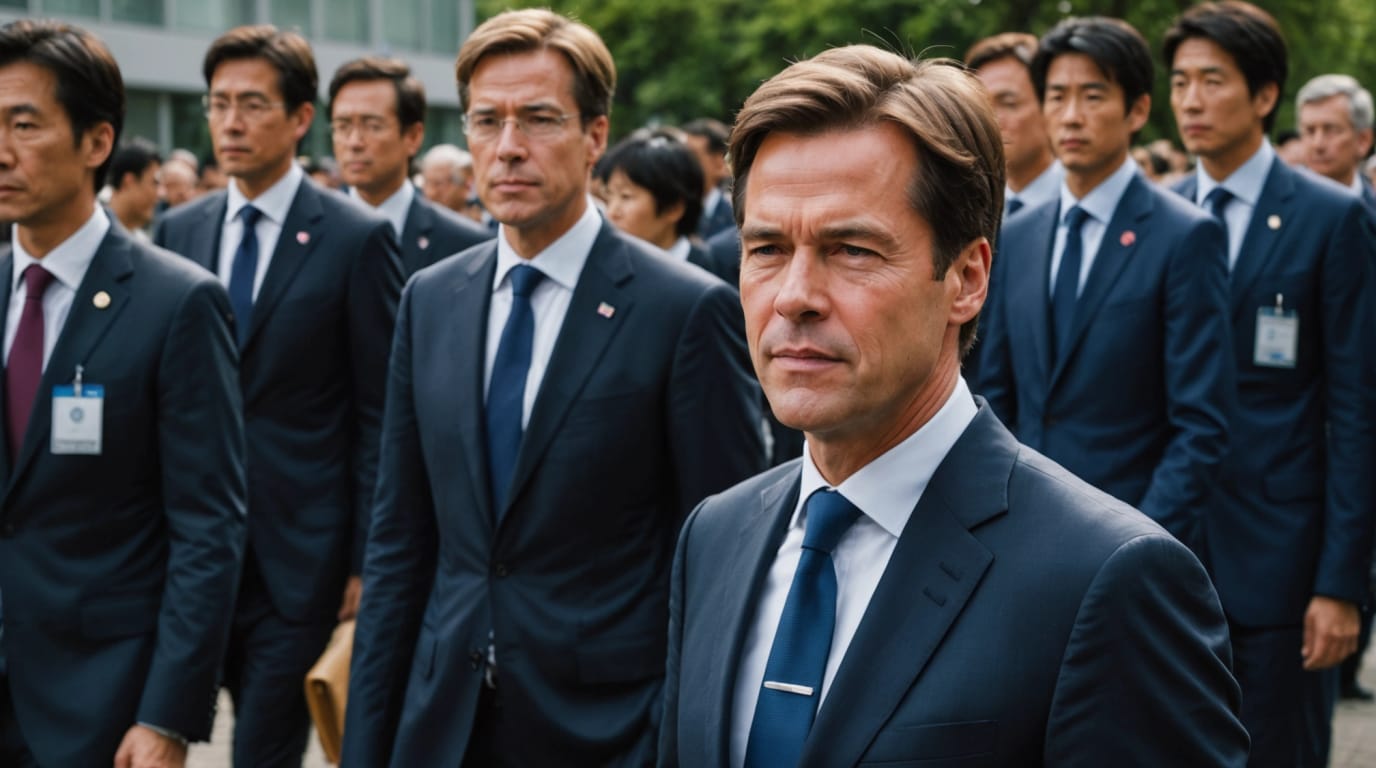
NATO Secretary-General Mark Rutte is advocating for closer collaboration between the alliance and Japan, citing an increasingly complex and precarious global security environment. During his first visit to Japan since assuming office in October, Rutte emphasized the need for enhanced cooperation in areas ranging from defense and cybersecurity to maritime security, as well as defense industrial cooperation. His visit underscores a growing recognition within NATO that security challenges in the Euro-Atlantic and Indo-Pacific regions are intertwined.
Deepening Cooperation Amidst Rising Concerns
Rutte's visit, which began Tuesday, included meetings with Japanese Defense Minister Gen Nakatani and Prime Minister Shigeru Ishiba. Discussions centered on strengthening defense ties and addressing shared security concerns. Nakatani expressed Japan's interest in joining NATO's command for its Ukrainian mission, a move that would significantly bolster ties with the alliance. This initiative, known as NATO Security Assistance and Training for Ukraine (NSATU), is headquartered at a U.S. base in Wiesbaden, Germany. Japan has already provided defense equipment and support to Ukraine.
Rutte highlighted the growing military capabilities of China, North Korea, and Russia, stating that their increased military exercises and cooperation are "undermining global security." He specifically noted NATO's concern regarding China's military activities near Taiwan, emphasizing that the alliance is closely monitoring the situation. He stressed that events in the Euro-Atlantic region have implications for the Indo-Pacific, and vice versa.
Focus on Defense Industry Collaboration
A key aspect of Rutte's visit is the focus on strengthening defense-industrial ties between NATO and Japan. He visited Yokosuka Naval Base and Mitsubishi Electric Kamakura Works to gain insights into Japan's defense capabilities and explore opportunities for increased collaboration. Rutte is scheduled to meet with defense industry representatives to discuss ways to ramp up production and improve cooperation.
NATO is looking to expand ties with its four Indo-Pacific partners: Japan, South Korea, Australia, and New Zealand, collectively known as IP4. Rutte emphasized the importance of moving beyond joint declarations and focusing on practical cooperation in areas such as industrial production, innovation, and data exchange. He acknowledged the bureaucratic challenges within NATO that hinder defense production and expressed a desire to streamline processes.
Japan's Perspective and Strategic Alignment
Japan views the security risks in Europe and Asia as inseparable, particularly in light of Russia's war in Ukraine. Tokyo has been actively seeking closer ties with NATO while also strengthening its defense cooperation with the United States and other friendly nations in the Indo-Pacific.
Japan and NATO upgraded their ties in 2023 through an Individually Tailored Partnership Program (ITPP). This program expands collaboration beyond traditional security areas to include cyber defense, emerging technologies, and countering disinformation. The ITPP outlines strategic objectives for 2023-2026, including strengthening dialogue, enhancing resilience, and boosting interoperability.
Implications for Regional Security
Rutte's visit and the push for closer ties between NATO and Japan have broader implications for regional security in the Indo-Pacific. Some analysts believe that NATO's increased engagement in the region is a way to project the alliance's power and counter China's growing influence.
China's perspective on NATO's growing interest in the Indo-Pacific is one of concern. Some Chinese experts view NATO's actions as interference in the region's security and stability. They also suggest that the U.S. is encouraging NATO to become more involved in the Indo-Pacific to contain China's rise.
Balancing Cooperation and Avoiding Escalation
As NATO seeks to strengthen its defense posture and cooperation with allies like Japan, it faces the challenge of avoiding escalation of tensions with China. Rutte has acknowledged the need to strike a balance between bolstering defense capabilities and maintaining stability in the region.
The evolving security landscape requires careful diplomacy and strategic communication to prevent misunderstandings and miscalculations. Increased transparency and dialogue between NATO, Japan, and China could help mitigate risks and promote a more stable and secure Indo-Pacific region.
Conclusion
NATO's push for closer ties with Japan reflects a growing recognition of the interconnectedness of global security challenges. By strengthening cooperation in defense, cybersecurity, and other areas, NATO and Japan aim to enhance their collective security and address shared threats. However, navigating the complex dynamics of the Indo-Pacific region requires careful consideration of the potential implications for regional stability and the need to avoid escalating tensions with China. The coming years will be critical in shaping the future of NATO-Japan relations and their role in the evolving global order.


