Nature Reconsidered: The Unsettling Paradox of Our Planet's Embrace
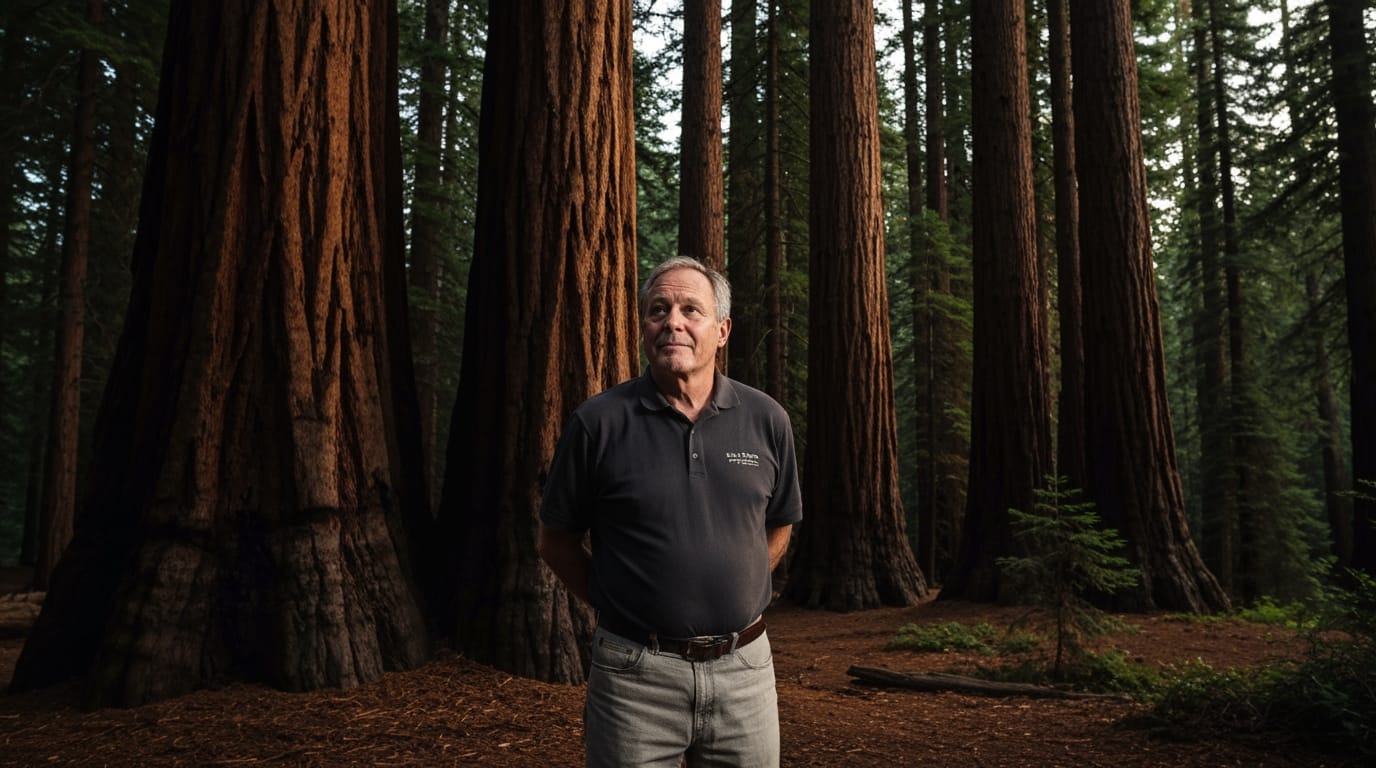
For generations, humanity has turned to nature for solace, renewal, and a profound sense of peace. Verdant forests, expansive oceans, and majestic mountains have long served as powerful antidotes to the stresses of daily life, offering a grounding connection to something larger than ourselves. Yet, an unsettling paradox is emerging: for an increasing number of people, the very natural world that once provided comfort is now becoming a profound source of anxiety and distress. This phenomenon, largely encapsulated by the terms "eco-anxiety" and "solastalgia," reflects a growing recognition of environmental degradation and climate change, transforming our relationship with the planet into one fraught with worry and fear.
The Rising Tide of Eco-Anxiety and Solastalgia
At the heart of this evolving human experience are two distinct, yet interconnected, psychological responses. Eco-anxiety, also known as climate anxiety, describes a chronic fear of environmental cataclysm that stems from observing the seemingly irreversible impacts of climate change and the associated concern for the future of the planet and coming generations. While not officially recognized as a mental health disorder, experts agree that severe instances of eco-anxiety can significantly impact an individual's mental well-being. This is a widespread concern, with more than two-thirds of U.S. adults (68%) reporting at least some anxiety about climate change. Globally, a 2021 survey revealed that over 45% of young people aged 16 to 25 reported their feelings of eco-anxiety affected their daily lives, sometimes impairing their ability to work or sleep.
Complementing eco-anxiety is "solastalgia," a term coined to describe the distress or sadness experienced when one's familiar home environment undergoes unwelcome, negative transformation due to ecological change. Unlike nostalgia, which longs for a past place, solastalgia is the feeling of homesickness while still being geographically present, grappling with a sense of loss within one's existing environment as it changes beyond control. Both eco-anxiety and solastalgia are considered rational responses to very real environmental threats, though their psychological toll can be immense.
Environmental Drivers of Distress
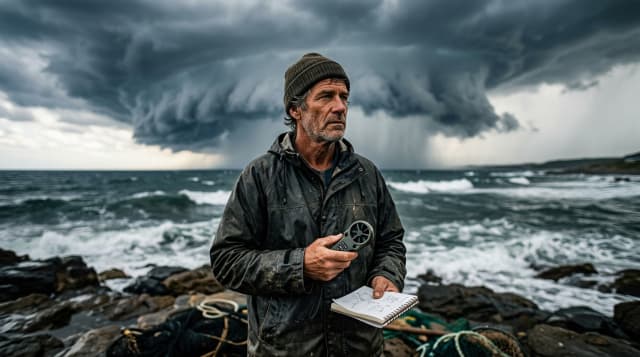
The specific environmental crises fueling this pervasive anxiety are diverse and far-reaching. Climate change stands as a primary catalyst, manifesting in increasingly frequent and intense extreme weather events. Living through hurricanes, wildfires, floods, or droughts can be profoundly traumatizing, leading to destruction, loss, displacement, and a range of mental health problems including anxiety, post-traumatic stress disorder (PTSD), and depression. For instance, 67% of individuals directly exposed to the 2018 California Camp Fire reported experiencing trauma similar to PTSD. These effects can linger for years, as seen in the aftermath of Hurricane Katrina.
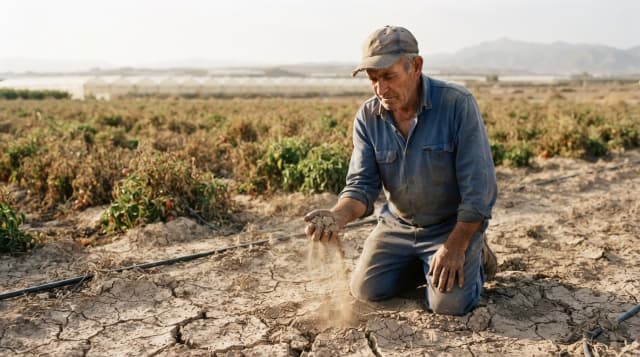
Beyond acute disasters, more gradual changes also exert a significant mental health burden. Rising ambient temperatures have been linked to an increase in mental health-related emergency department visits, violent incidents, and even suicide attempts. Long-term exposure to air pollution is associated with elevated anxiety levels, increased depression, and a heightened risk of suicide. The economic fallout from climate change, such as when farmers lose their livelihoods due to shifting weather patterns, also contributes to heightened stress and anxiety.
Biodiversity loss represents another critical driver of ecological distress. The destruction of ecosystems and the dwindling of species can cause direct mental distress and emotional responses, often manifesting as ecological grief or "psychoterratic syndromes." This loss diminishes the aesthetic, spiritual, and cultural value that humans derive from nature, fostering feelings of disconnection and a loss of identity tied to the land. For many Indigenous communities, whose cultures and traditions are deeply interwoven with their local ecosystems, biodiversity loss can be particularly devastating, affecting their physical, mental, and emotional well-being.
The Human Toll: Psychological and Societal Repercussions
The psychological landscape shaped by these environmental concerns is complex and often debilitating. Symptoms include pervasive anxiety, feelings of helplessness, depression, hopelessness, fatalistic thinking, and existential dread. Many individuals experience guilt or shame related to their own carbon footprint, while others struggle with sleep disturbances, overthinking, and difficulty concentrating. The World Health Organization has recognized global environmental trends as a major threat to mental well-being, especially for young people, frontline communities, and those in vulnerable settings.
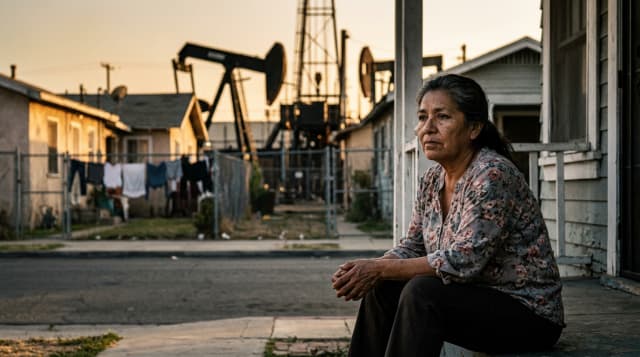
Certain populations bear a disproportionate burden. People of color, individuals experiencing homelessness, young children, older adults, and Indigenous communities are identified as being at higher risk. For example, Black Americans are more likely to live in areas prone to elevated temperatures, air pollution, and higher flood risks, compounding mental health challenges.
Paradoxically, a key factor exacerbating this distress is a growing disconnection from nature in modern life. As urbanization and technological advancements accelerate, many individuals find themselves increasingly removed from natural environments. This "nature deficit" has tangible negative impacts on mental health, contributing to increased stress, anxiety, and depression. Studies show that individuals with a stronger connection to nature generally experience lower stress levels, reduced anxiety, and greater overall life satisfaction. Conversely, urban living, characterized by noise, crowding, and poor housing quality, can independently contribute to chronic stress, anxiety, and depression.
Seeking Solace and Solutions
Addressing this multifaceted challenge requires a dual approach: mitigating environmental degradation and bolstering mental health support. For individuals grappling with eco-anxiety or solastalgia, coping mechanisms include acknowledging and validating these feelings, seeking community support, and, when necessary, professional guidance. Interestingly, while these emotions can be paralyzing, some research indicates that "eco-anger"—frustration over environmental changes—can serve as a powerful motivator for positive action and may even correlate with improved well-being.
On a broader societal level, there is an urgent call to integrate mental health support into climate crisis responses. The World Health Organization emphasizes the need for countries to include mental health and psychosocial support in their national health and climate change plans, noting that only a small fraction currently do so. Protecting mental health is inextricably linked to ambitious climate mitigation efforts; without decisive action to address the climate crisis, both the planet and human well-being remain at risk.
While individual actions like reducing one's carbon footprint are important, the sheer scale of environmental problems can lead to feelings of powerlessness. This highlights the need for systemic change and collective efforts. Reconnecting with nature, even in small amounts, remains a vital tool for mental well-being, offering restorative benefits despite the larger ecological concerns.
The Evolving Human-Nature Relationship
The reconsideration of nature, from an unblemished sanctuary to a vulnerable and threatened entity, marks a profound shift in human consciousness. The anxiety it engenders is not a sign of weakness but rather an empathetic and rational response to a genuine planetary crisis. As environmental challenges intensify, so too will the psychological burden on individuals and communities worldwide. Navigating this new reality demands not only scientific innovation and policy changes but also a deeper understanding of our emotional connection to the natural world. By acknowledging the complex interplay between environmental health and mental well-being, and by fostering both ecological restoration and psychological resilience, humanity can begin to forge a path forward that redefines its relationship with nature – one that moves beyond fear towards proactive stewardship and sustainable harmony.