Nepal Province Breaks National Ban, Legalizes Medical Cannabis Cultivation
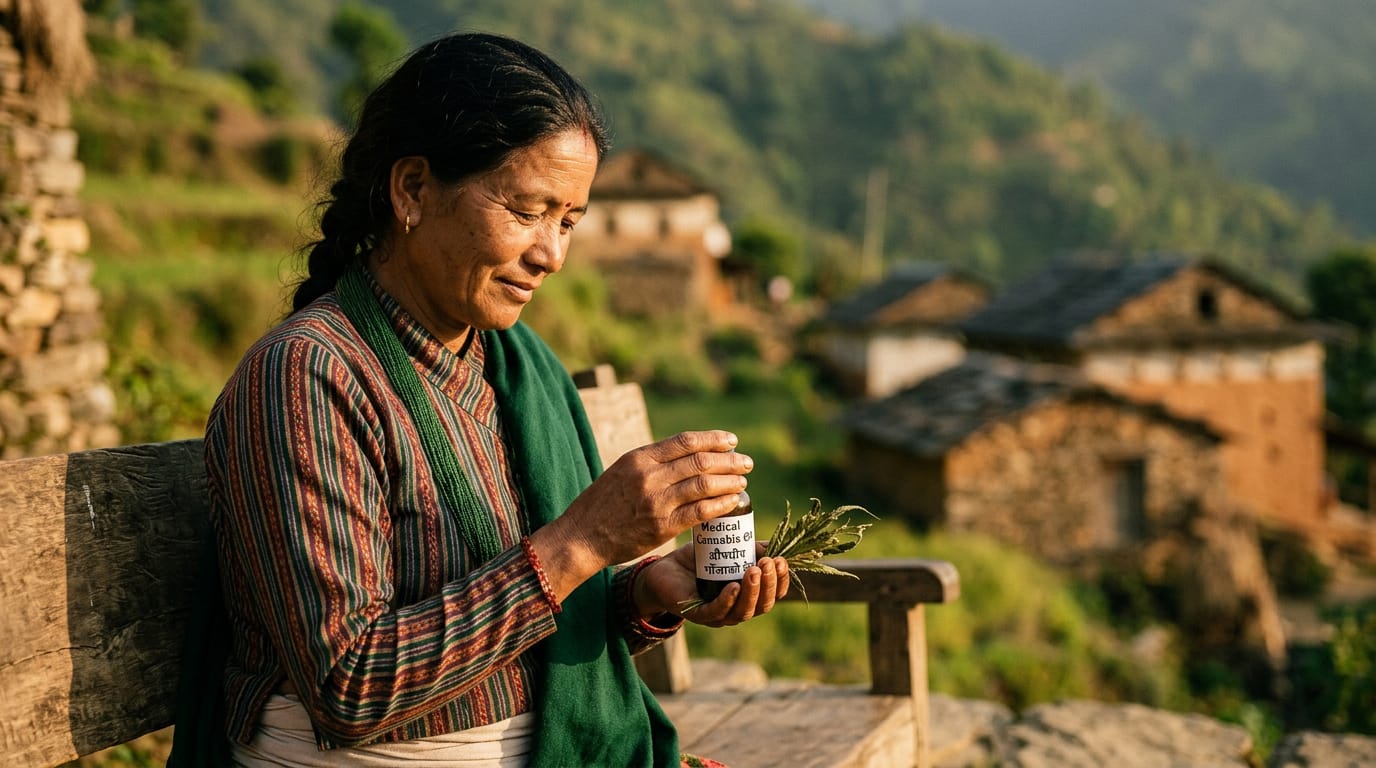
KATHMANDU, Nepal – In a significant move challenging decades of national prohibition, Nepal's Gandaki Province has officially legalized the cultivation and use of cannabis for medical and industrial purposes. The groundbreaking legislation, which went into effect this Monday, August 5, 2026, marks a potential turning point for a plant deeply embedded in Nepali culture and tradition, yet outlawed under federal law since the 1970s. This decision by one of Nepal's seven provinces sets the stage for a complex interplay between provincial autonomy, national policy, and the burgeoning global cannabis industry, promising both substantial economic opportunities and considerable regulatory challenges.
Gandaki Forges Ahead with Regulated Cannabis Framework
The Gandaki Province Assembly unanimously approved the measure, signifying strong regional consensus on the issue. Under the newly enacted law, farmers within Gandaki will be permitted to cultivate cannabis for medicinal and industrial applications, though strict oversight will be in place. Official permission from provincial authorities will be a prerequisite for cultivation, with ongoing monitoring to ensure compliance. This regulated framework aims to harness the plant's economic potential while mitigating potential misuse. For instance, the bill proposes strict penalties, including up to three years in jail, for unauthorized activities, and mandates a "Cannabis Regulation Board" to manage licensing, pricing, and enforcement. Licenses for cultivation will be limited to Nepali citizens, and any partnerships must include at least 51% Nepali investment, underscoring a commitment to local economic empowerment.
Navigating a National Prohibition: A Legal Labyrinth
Gandaki's provincial legislation directly contrasts with Nepal's national Narcotic Drugs (Control) Act of 1976, which broadly prohibits the cultivation, sale, and use of cannabis across the entire country. This national ban, enforced with penalties ranging from fines to up to ten years imprisonment for distribution and sales, was largely a result of intense international pressure, particularly from the United States, in the early 1970s. Before this intervention, cannabis was widely available and legally sold, with Kathmandu's "Freak Street" serving as a global hub for its trade.
The current national law defines cannabis broadly, encompassing any part of the plant, including extracts like CBD, and prohibits all related activities from cultivation to consumption. While the federal law does contain a provision allowing the government to make confiscated cannabis available for medicinal purposes if deemed necessary, this clause has largely remained unexercised. The provincial move therefore creates a legal ambiguity, as federal prohibition remains in force and provincial bills are technically subordinate to national legislation. Legal experts note that Nepal is a signatory to the UN Single Convention on Narcotic Drugs 1961, which places cannabis in the category of a narcotic drug and prohibits its cultivation and sale, adding another layer of complexity to the situation.
Economic Promise and Deep Cultural Roots
The push for legalization stems from a growing recognition of cannabis's significant economic potential and its deep-seated historical and cultural relevance in Nepal. For centuries, cannabis has been an integral part of Nepali life, used in religious ceremonies, traditional medicine, and as a raw material for fibers and fodder. Devotees of Lord Shiva, for instance, traditionally consume cannabis during the annual Shivaratri festival as an offering and part of their spiritual practice, a custom often tolerated by authorities despite the ban.
Economically, proponents argue that a regulated cannabis industry could be a massive boon for Nepal, particularly for its rural farming communities. With agriculture accounting for a substantial portion of the country's GDP, cannabis cultivation for medicinal and industrial purposes is seen as a potential "green gold" that could generate substantial tax revenue, create numerous jobs across the supply chain, and significantly boost the national economy. The global legal cannabis market, valued at $21 billion in 2023 and projected for significant annual growth, presents a lucrative export opportunity, potentially reducing Nepal's reliance on expensive imported medicines and alleviating out-migration by providing local economic opportunities. Members of Parliament have highlighted that cannabis should not be viewed solely as a narcotic but also as a versatile raw material for medicine, textiles, paper, oil, bioplastics, and construction materials.
Charting the Future: Challenges and Wider Implications
Despite the optimism surrounding Gandaki's decision, significant challenges remain. Beyond the conflict with federal law, concerns exist regarding the potential for increased substance abuse, particularly among youth, if regulations are not rigorously enforced. There is also a recognized need for more scientific research into Nepal's indigenous cannabis strains to understand their specific medicinal properties and determine suitable cultivation practices for different climates.
Nonetheless, Gandaki Province's bold move is part of a broader, evolving discourse within Nepal. In May 2024, Finance Minister Barsha Man Pun announced federal plans to legalize commercial cultivation of medicinal marijuana, although no national laws have yet been enacted. Other provinces, such as Karnali, have also explored cannabis cultivation for oil, and the federal budget has referenced commercialization. This growing momentum reflects a global shift in attitudes towards cannabis, with over 40 countries having legalized or decriminalized it for medical use. As Nepal grapples with these complex issues, Gandaki Province's decision serves as a pivotal experiment, potentially paving the way for a harmonized national policy that balances economic opportunity, public health, and its rich cultural heritage.


