Netanyahu Defies ICC Warrant, Arrives in Hungary Amidst Controversy
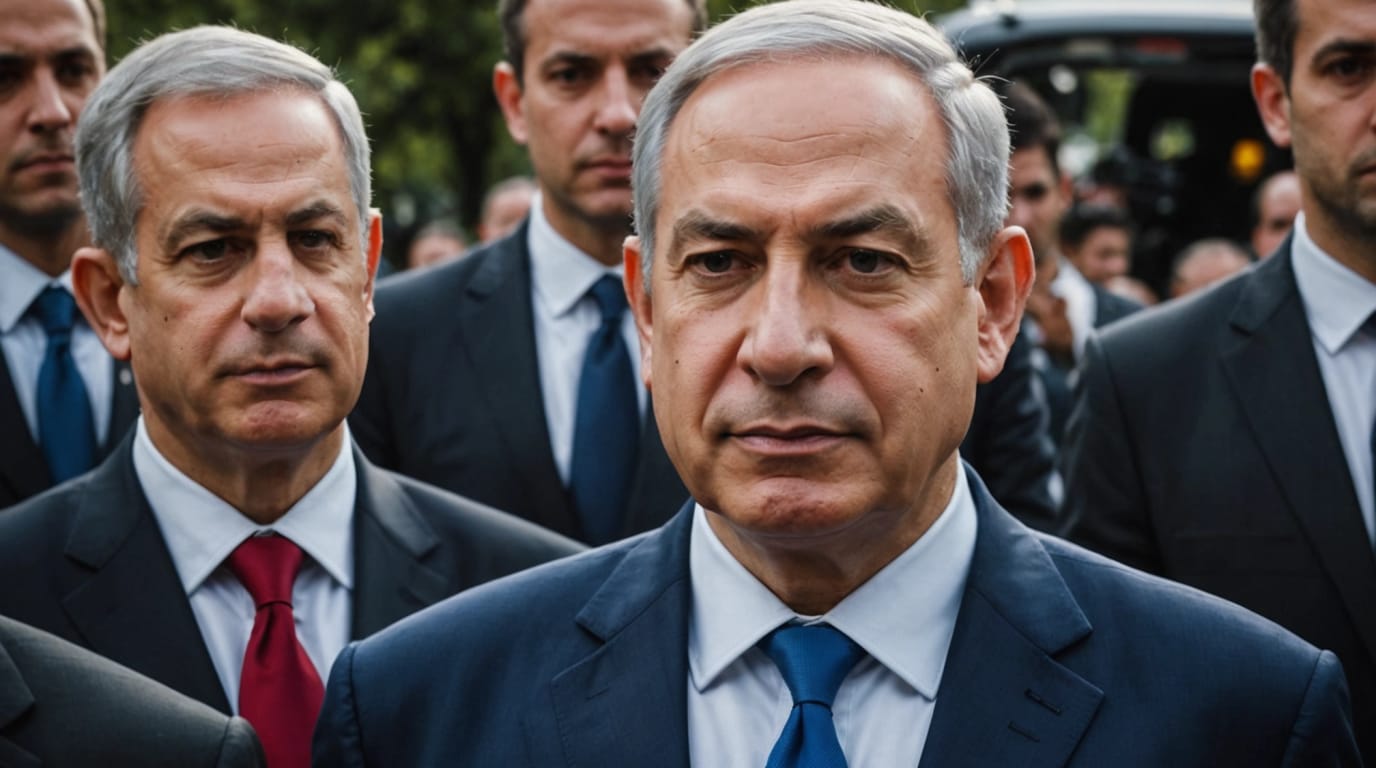
Israeli Prime Minister Benjamin Netanyahu arrived in Budapest, Hungary, early Thursday morning, April 3, 2025, on a four-day visit that has ignited international controversy. The visit proceeds despite an outstanding International Criminal Court (ICC) arrest warrant against Netanyahu for alleged war crimes and crimes against humanity in connection with the ongoing conflict in Gaza. The move has placed Hungary, an ICC member, in a precarious position, testing the boundaries of international law and raising questions about the European Union's commitment to the ICC's authority.
A Defiant Visit
Netanyahu's visit is his first to Europe since the ICC issued the arrest warrant in November 2024, alongside a warrant for his former Defense Minister Yoav Gallant. The ICC alleges that Netanyahu and Gallant are responsible for the war crime of starvation as a method of warfare and for intentionally directing attacks against the civilian population in Gaza. These charges stem from the extensive Israeli military campaign in Gaza following the October 7, 2023, attack by Hamas, which resulted in approximately 1,200 deaths and the abduction of 251 people. Since then, the Israeli offensive has killed more than 50,000 people in Gaza and displaced over 90 percent of the area's population.
Hungary's Prime Minister Viktor Orbán extended the invitation to Netanyahu shortly after the ICC issued the warrant, vowing that Hungary would not execute it. Orbán has publicly stated that the ICC's decision is a politically motivated intervention in an ongoing conflict. Upon arrival in Budapest, Netanyahu was greeted with military honors, underscoring Hungary's defiance of the ICC's authority.
Hungary's Contentious Stance
Hungary's decision to welcome Netanyahu despite the ICC warrant has drawn sharp criticism from international legal experts and human rights organizations. As a member of the ICC, Hungary is theoretically obligated to cooperate with the court and arrest individuals subject to its warrants. However, Orbán's government has argued that it is not bound by the ICC's decisions, citing constitutional concerns and questioning the court's legitimacy.
Adding another layer of complexity, reports have emerged suggesting that Hungary is considering withdrawing from the ICC altogether during Netanyahu's visit. If confirmed, this would mark a significant departure from international norms and further isolate Hungary within the European Union.
Liz Evenson, international justice director at Human Rights Watch, stated that allowing Netanyahu's visit "would be Orban's latest assault on the rule of law, adding to the country's dismal record on rights." Amnesty International has also condemned the visit, calling it "a cynical effort to undermine the ICC and its work" and "an insult to the victims of these crimes who are looking to the Court for justice."
Implications for the ICC and International Law
Netanyahu's visit to Hungary raises serious questions about the ICC's ability to enforce its warrants and the willingness of member states to uphold their obligations under the Rome Statute, the treaty that established the court. The ICC relies on member states to carry out arrests, as it does not have its own police force.
The court's spokesperson, Fadi El Abdallah, has emphasized that it is not up to individual member states to unilaterally determine the validity of the court's legal decisions. However, several other European countries, including France, Germany, Italy, and Poland, have also indicated that they would not arrest Netanyahu if he were to visit.
This reluctance to enforce the ICC warrant highlights the divisions within the international community regarding the court's jurisdiction and its handling of the Israeli-Palestinian conflict. Some countries argue that the ICC is unfairly targeting Israel, while others maintain that the court is essential for holding individuals accountable for war crimes and crimes against humanity.
A Meeting of Like-Minded Leaders
Netanyahu's relationship with Orbán has been described as close, with both leaders sharing similar political ideologies and a skepticism towards international institutions. Orbán has been a vocal supporter of Netanyahu and has echoed his criticisms of the ICC.
The two leaders are expected to discuss a range of issues during their meetings, including the ongoing situation in Gaza, regional security, and bilateral cooperation. Some reports suggest that they may also discuss U.S. President Donald Trump's proposals for Gaza, including the relocation of Palestinians to neighboring countries.
Netanyahu's visit also provides him with an opportunity to project an image of statesmanship at a time when he is facing mounting protests at home over his handling of the Gaza conflict and allegations of corruption.
A Divisive Visit
Netanyahu's visit to Hungary is a highly divisive event that underscores the challenges facing the ICC and the international legal order. While Hungary's defiance of the ICC warrant may be seen as a victory for Netanyahu, it also carries significant risks for Hungary's standing within the European Union and the broader international community. The visit highlights the complex interplay of politics, law, and human rights in the context of the Israeli-Palestinian conflict and raises fundamental questions about the future of international justice.


