Netanyahu Faces Growing Backlash Over Gaza Strategy and Security Shake-Up
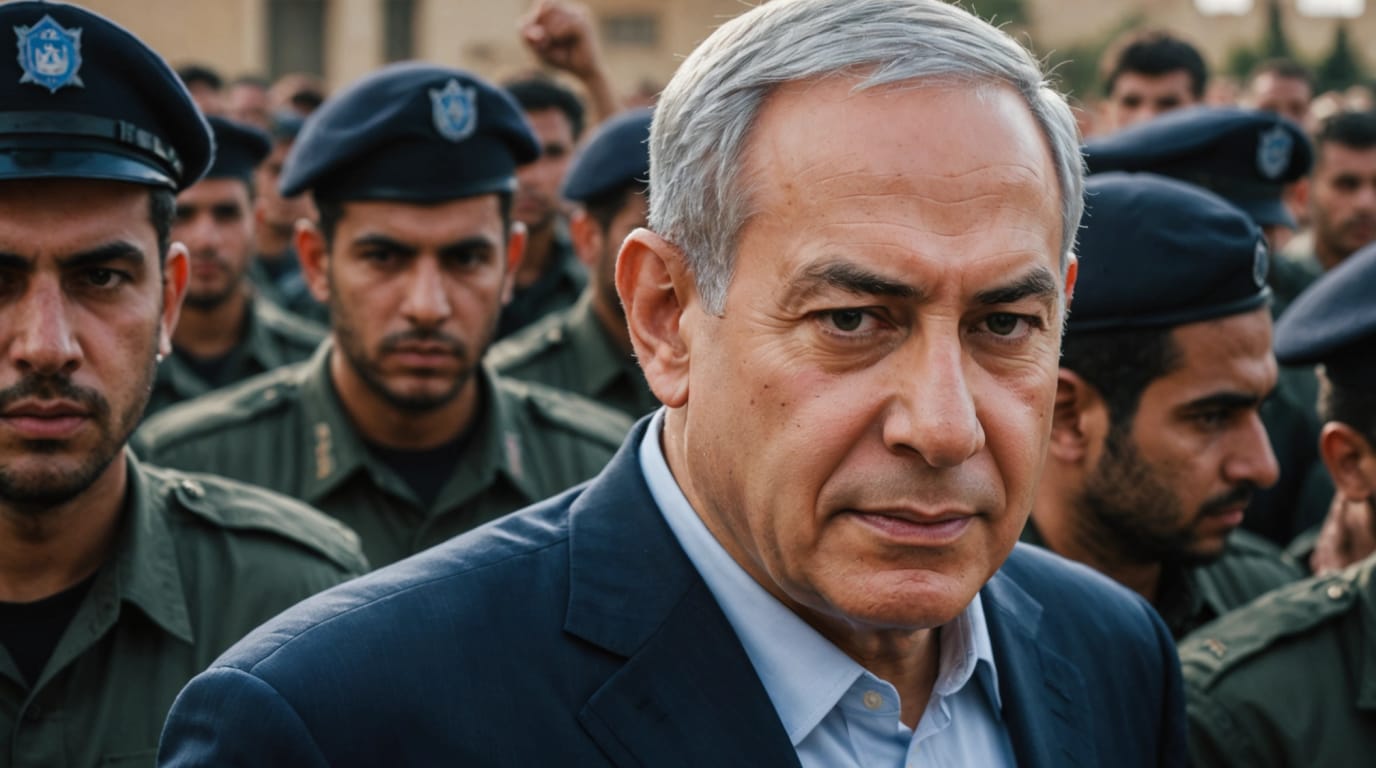
Israeli Prime Minister Benjamin Netanyahu is facing mounting criticism both domestically and internationally over his handling of the ongoing conflict in Gaza and a recent controversial decision to oust the head of the country's domestic security agency, Shin Bet. The backlash comes amid stalled ceasefire negotiations, renewed hostilities in Gaza, and increasing public unrest.
Public Outcry Over Gaza Strategy
Netanyahu's approach to the Gaza conflict has drawn sharp criticism from various segments of Israeli society. Families of hostages held in Gaza are pressuring the government to secure their release, while far-right coalition partners are pushing for the complete annihilation of Hamas. This divide has created a complex political landscape for Netanyahu, who is struggling to reconcile these competing demands.
The resumption of Israeli strikes in Gaza, which have resulted in numerous Palestinian casualties, has fueled public anger. Critics argue that the renewed military action undermines efforts to reach a ceasefire agreement and further endangers the lives of hostages. Protests have erupted across Israel, with demonstrators demanding a change in strategy and calling for Netanyahu's resignation.
Adding to the public discontent, there are widespread concerns about the humanitarian situation in Gaza. Restrictions on the entry of food, fuel, and medical supplies have exacerbated the crisis, leading to accusations that the government is using starvation as a bargaining chip against Hamas.
Security Chief Dismissal Sparks Controversy
Adding fuel to the fire, Netanyahu's decision to dismiss Shin Bet chief Ronen Bar has triggered a political firestorm. Netanyahu cited a loss of trust as the primary reason for seeking Bar's removal, emphasizing the need for "personal trust" between the prime minister and security chiefs, especially during wartime.
Bar, however, has strongly refuted Netanyahu's claims, asserting that his loyalty lies with the Israeli public, not with the prime minister personally. He argued that prioritizing personal trust over professional judgment could compromise state interests, particularly during a sensitive period of renewed conflict with Hamas.
Critics view Netanyahu's move as an attempt to consolidate power and undermine independent government institutions. They allege that the dismissal is aimed at derailing ongoing investigations into potential links between government officials and Qatar, a key mediator between Israel and Hamas.
Allegations of Disregarding Warnings
Adding to the controversy, Bar has accused Netanyahu of repeatedly disregarding intelligence warnings leading up to the October 7, 2023, Hamas attack that triggered the current conflict. This accusation has intensified calls for a thorough investigation into the government's handling of the events leading up to the attack.
Netanyahu has resisted calls for a state commission of inquiry, which could directly implicate him and his government. Instead, he has attempted to place blame on security chiefs, claiming he was never warned about Hamas' intentions and was guided by their advice that Hamas was deterred.
Political Implications and Future Outlook
Netanyahu's recent actions have further strained his already fragile coalition government. The next election is scheduled for late 2026, but the coalition, propped up by ultranationalist and ultra-religious parties, could collapse prematurely. Divisions over the future of the war in Gaza, the court-mandated draft of ultra-Orthodox men, and the state budget pose significant challenges to the government's stability.
With his political fortunes stagnating and many Israelis calling for his resignation, Netanyahu is facing increasing pressure to address the growing public discontent. His decision to prioritize loyalty over competence in key security positions has raised concerns about the integrity of government institutions and the future of Israeli democracy.
The coming weeks will be critical in determining whether Netanyahu can weather the storm of criticism and maintain his grip on power. The outcome of the Gaza conflict, the progress of ceasefire negotiations, and the results of ongoing investigations will all play a significant role in shaping his political future.


