Netanyahu in Washington: High-Stakes Talks Amidst Ongoing Iran War
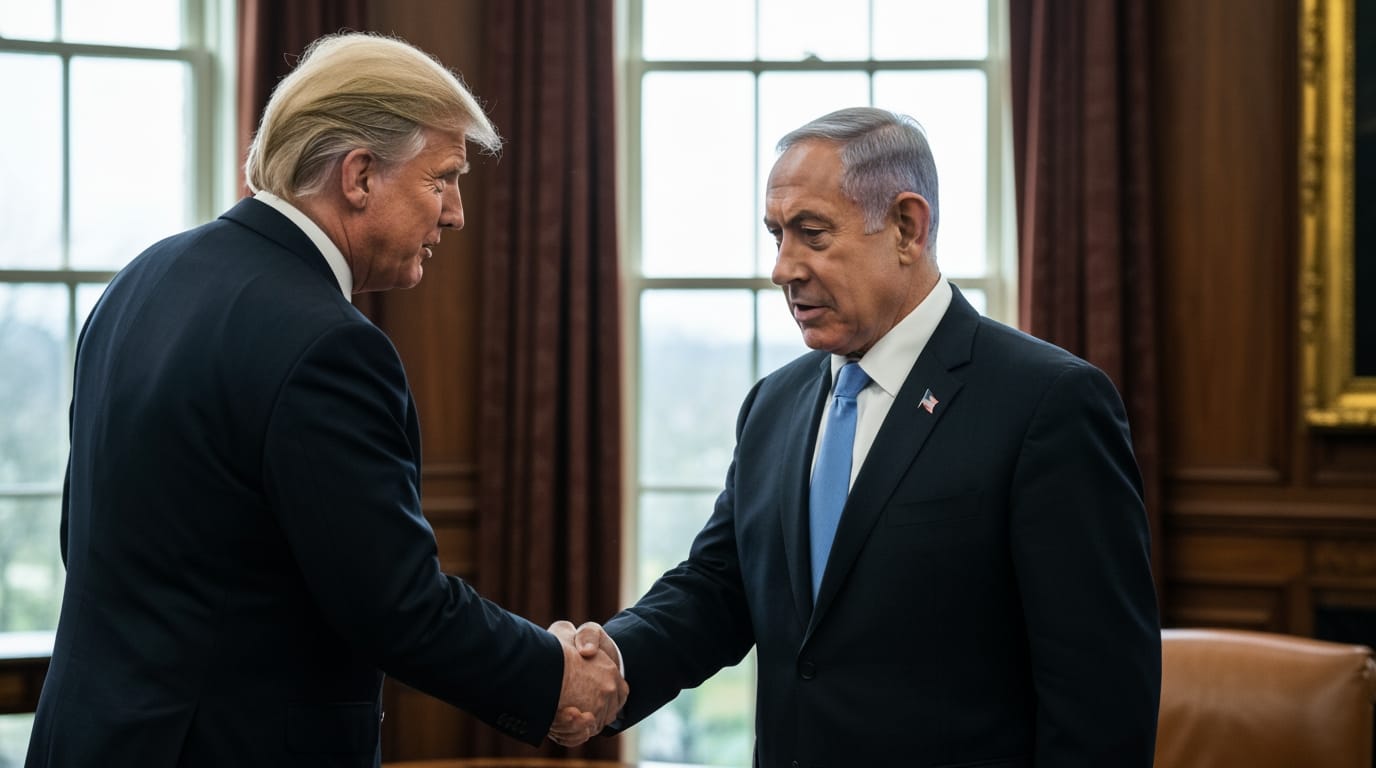
Washington, D.C. – July 28, 2026 – Israeli Prime Minister Benjamin Netanyahu arrived in Washington today for a pivotal meeting with U.S. President Donald Trump, marking their first face-to-face discussions since the commencement of the "Iran war" in February 2026. The high-stakes encounter at the White House is expected to be dominated by the ongoing conflict, with both leaders navigating a delicate balance between escalating military action and pursuing a diplomatic resolution to deeply entrenched regional tensions. The meeting unfolds as a two-week U.S. bombing campaign against Iran was recently paused, with Tehran halting its retaliatory attacks, creating a fragile window for dialogue.
High-Stakes Diplomacy Amidst Conflict
Prime Minister Netanyahu departed Israel for Washington stating that Iran was the "first and foremost" topic on his agenda, emphasizing the goal of safeguarding Israel's security and expanding regional peace. This marks Netanyahu's eighth meeting with Trump since the U.S. president's return to office and comes just before Israel and the United States launched a joint aerial campaign against Iran in February. The conflict, which began with U.S.-Israeli strikes, intensified earlier this month after an April ceasefire collapsed, leading to renewed hostilities. Trump, meanwhile, has acknowledged "good talks" with Iran and expressed optimism for a deal, while simultaneously warning of a return to "very strong military action" if diplomatic efforts fail.
Divergent Paths: Diplomacy vs. Confrontation
Despite public affirmations of close alignment, subtle differences in approach regarding Iran have emerged between President Trump and Prime Minister Netanyahu. Trump has reportedly pivoted towards emphasizing diplomacy this week, seeking a "better deal" and a resolution to the conflict that has seen his approval ratings dip domestically. Conversely, Netanyahu has consistently advocated for a more aggressive posture, aiming to eliminate Iran's nuclear and ballistic missile capabilities. Concerns persist within Israel that Trump might pursue a premature end to the war without fully neutralizing Iran's nuclear ambitions. While Netanyahu downplayed past exchanges as "tactical disagreements," relations between the two leaders reportedly reached a low point in April during ceasefire negotiations.
Roots of the Conflict: A Decade of Escalation
The current "Iran war" in 2026 is the culmination of years of escalating tensions, significantly shaped by policies enacted during Trump's initial presidency. In May 2018, the United States, under then-President Trump, withdrew from the Joint Comprehensive Plan of Action (JCPOA), commonly known as the Iran nuclear deal. This withdrawal, which Netanyahu publicly supported and influenced, marked a return to a "maximum pressure" campaign of sanctions against Iran. Israel had long been a vocal opponent of the JCPOA, with Netanyahu calling it a "historic mistake" and arguing it would not prevent Iran from developing nuclear weapons. Following the U.S. withdrawal, Iran gradually reduced its compliance with the deal's restrictions, leading to advancements in its nuclear program. By February 2026, the situation escalated into direct military confrontation with U.S.-Israeli strikes against Iranian targets, followed by Iranian retaliations.
The War's Toll and Broader Implications
The 2026 Iran war has had substantial regional and global repercussions. The conflict has severely disrupted global energy markets, with the closure of the Strait of Hormuz sending oil and gas prices soaring worldwide. Domestically, the war has proved unpopular for President Trump, contributing to economic damage, rising inflation, and increased military costs, which could impact the upcoming U.S. midterm elections. Many international actors, including European nations, Russia, and China, have expressed alarm over the conflict, with the UN Secretary-General warning of a dangerous escalation and urging a return to diplomacy. Regional neighbors, such as Saudi Arabia, Iraq, Egypt, Oman, and Qatar, have welcomed ceasefires and called for sustained peace. Amidst these dynamics, the Abraham Accords, a landmark achievement of Trump's first administration, are also on the agenda, with discussions potentially linking negotiations with Iran to the expansion of these normalization agreements.
An Uncertain Path Forward
As the meeting concludes, the path forward remains fraught with uncertainty. President Trump's immediate goal appears to be a diplomatic resolution that reopens the Strait of Hormuz and addresses Iran's nuclear program, signaling a shift from outright military engagement to a combination of pressure and negotiation. However, Prime Minister Netanyahu's steadfast commitment to completely eradicating Iran's nuclear threat suggests potential friction points. The outcome of these discussions will undoubtedly shape the immediate future of the Middle East, determining whether the fragile pause in hostilities can evolve into a lasting peace, or if the region is poised for further escalation in a conflict with already significant global implications.


