Netanyahu Rejects Trump's Gaza Peace Plan, Demanding Full Hamas Disarmament First
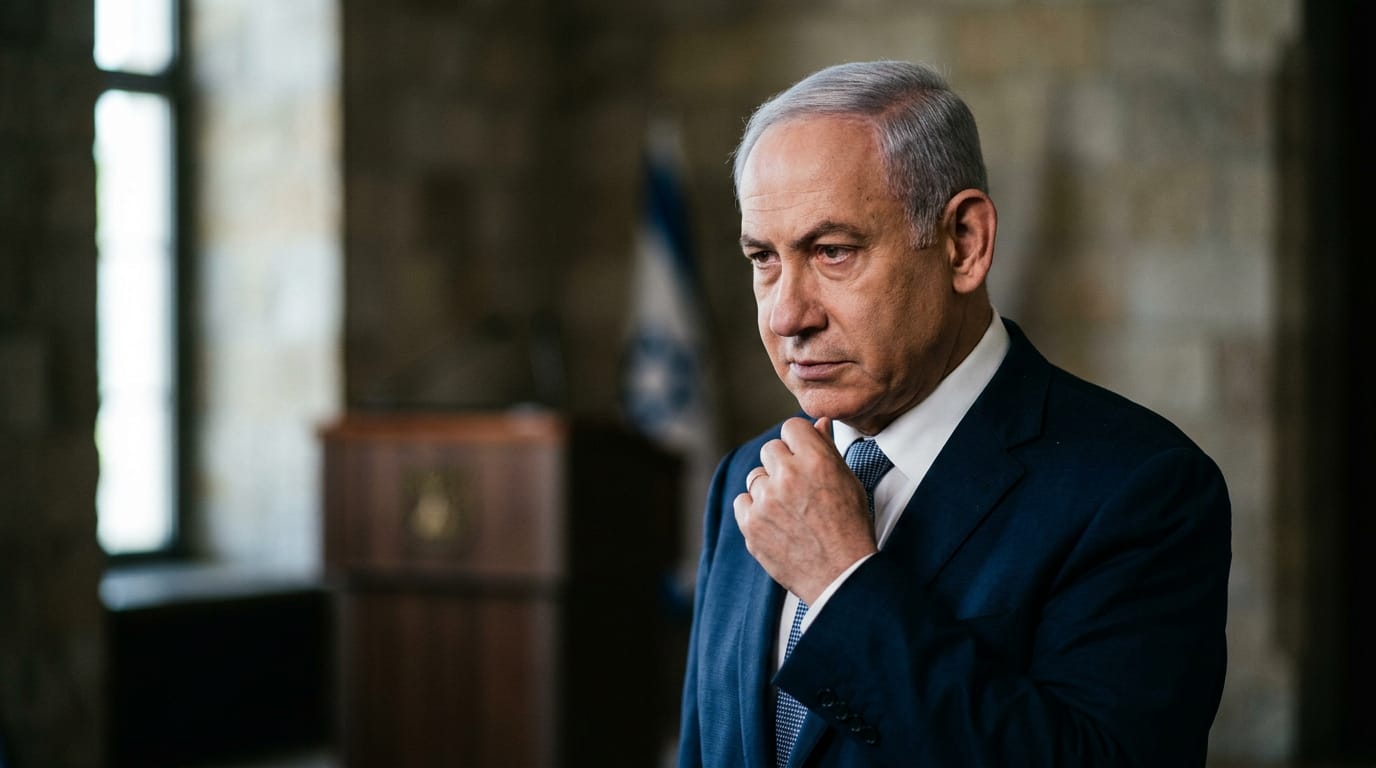
Jerusalem, Israel – August 9, 2026 – Israeli Prime Minister Benjamin Netanyahu today unequivocally rejected a U.S.-backed 15-point peace plan for the Gaza Strip, asserting that Israel would not withdraw its forces until Hamas is completely and genuinely disarmed. The declaration marks a significant public disagreement with former U.S. President Donald Trump, who had championed the proposal as a "historic agreement" towards lasting peace and security in the tumultuous region.
Netanyahu's firm stance came during a cabinet meeting, where he declared, "Israel does not accept the 15-point document." His rejection centers on a critical divergence: the sequencing of Hamas’s disarmament versus an Israeli military withdrawal. While the U.S.-led plan envisioned a phased approach, Netanyahu insists that any withdrawal by the Israel Defense Forces (IDF) must be contingent on the full cessation of all Hamas weaponry, from heavy arms to lighter equipment. This uncompromising position underscores the deep-seated security concerns that continue to define the Israeli-Palestinian conflict, creating a fresh obstacle in international efforts to stabilize Gaza in the wake of the October 7, 2023, attacks and subsequent hostilities.
The Trump Initiative: A Vision for Post-Conflict Gaza
The 15-point peace plan, unveiled by the "Board of Peace" — a group established under former President Trump's direction following the 2025 hostage release deal — sought to outline a pathway for post-conflict Gaza. Trump had presented the proposal as a monumental achievement, asserting it would lead to the "complete disarmament of Hamas and all other armed groups in Gaza." The plan, which built upon an earlier 20-point framework from October 2025, aimed to move beyond the initial ceasefire by addressing the contentious issues of demilitarization and Israeli withdrawal.
Key components of the 15-point document included a phased process where Hamas would gradually surrender its weapons and transfer authority to a new Palestinian administration. Concurrently, Israeli forces would withdraw from the Gaza Strip, paving the way for an independent Palestinian National Committee to govern. This phased approach was designed to create "appropriate conditions for a credible pathway towards achieving Palestinian self-determination and statehood." Trump, optimistic about its prospects, had publicly urged Hamas to accept it, though he also affirmed Israel's right to act if the militant group rejected the deal.
A Chasm Over Disarmament and Withdrawal
The core of the dispute lies in the fundamental disagreement over which action should precede the other: Hamas's disarmament or Israel's withdrawal. The Board of Peace plan had initially provided a two-week window for both parties to agree on a detailed timetable for these processes. However, Hamas has consistently maintained that Israel must first end its military campaign in Gaza. In contrast, Netanyahu explicitly stated that the IDF would not concede "a single millimeter" of territory within Gaza until Hamas's full disarmament is achieved, emphasizing "genuine disarmament, not fictitious disarmament."
Adding another layer of complexity, Netanyahu also reiterated his long-standing opposition to a Palestinian state, declaring, "As long as I am prime minister, a Palestinian state will not be established — not in Gaza and not in the West Bank." This statement directly contradicts the broader aspirations outlined in the Trump-backed framework, which sought to establish a pathway towards Palestinian self-determination. Hamas, for its part, had already accepted the 15-point roadmap, with senior official Basem Naim urging international mediators to pressure Israel into adhering to the agreement, hinting that Netanyahu's rejection might be driven by "internal political and electoral reasons." This highlights the stark differences in expectations and demands from both sides.
Domestic Pressures and International Implications
Netanyahu's firm rejection of the plan is not merely a policy dispute but also reflects significant domestic political pressures. He faces an upcoming election, and polls suggest his coalition is at risk of losing its majority. His vocal opposition to the U.S.-backed plan allows him to project strength and cater to his right-wing base, which has consistently called for uncompromising security measures against Hamas and a firm stance against a Palestinian state. Statements like, "Unlike all those who lecture us, we do what needs to be done for Israel's security, and we can and know how to stand our ground, even against our best friends when necessary," underscore his efforts to assert Israel's sovereign security interests, even if it means challenging its closest ally.
This public defiance marks a "rare public break" with former President Trump, with whom Netanyahu has historically maintained a close, albeit sometimes unpredictable, relationship. For Trump, the rejection represents a setback for his efforts to position himself as a successful peace broker in foreign conflicts, particularly with U.S. midterm elections approaching in November. The White House, when asked for comment, referred inquiries to the Board of Peace, indicating a degree of diplomatic distance. The current situation further complicates the interconnected regional conflicts, including U.S. efforts to engage with Iran, highlighting the persistent challenges in achieving comprehensive stability in the Middle East.
An Uncertain Future for Gaza Peace
The explicit rejection by Prime Minister Netanyahu of the Trump-backed peace plan casts a long shadow over immediate prospects for a lasting resolution in Gaza. Despite an initial ceasefire in October 2025 that led to a reduction in hostilities, the fundamental disagreements over demilitarization and future governance remain unresolved. While Trump's Board of Peace continues to advocate for its plan as the "only way forward," the chasm between Israel's absolute security demands and Hamas's conditions for disarmament, combined with Netanyahu's political imperatives, creates a persistent stalemate. The path toward genuine peace and stability in Gaza, therefore, remains fraught with significant obstacles, underscoring the enduring complexity of the region's geopolitical landscape.


