New Drone Strike at Zaporizhzhia Nuclear Plant Prompts Urgent IAEA Access Request
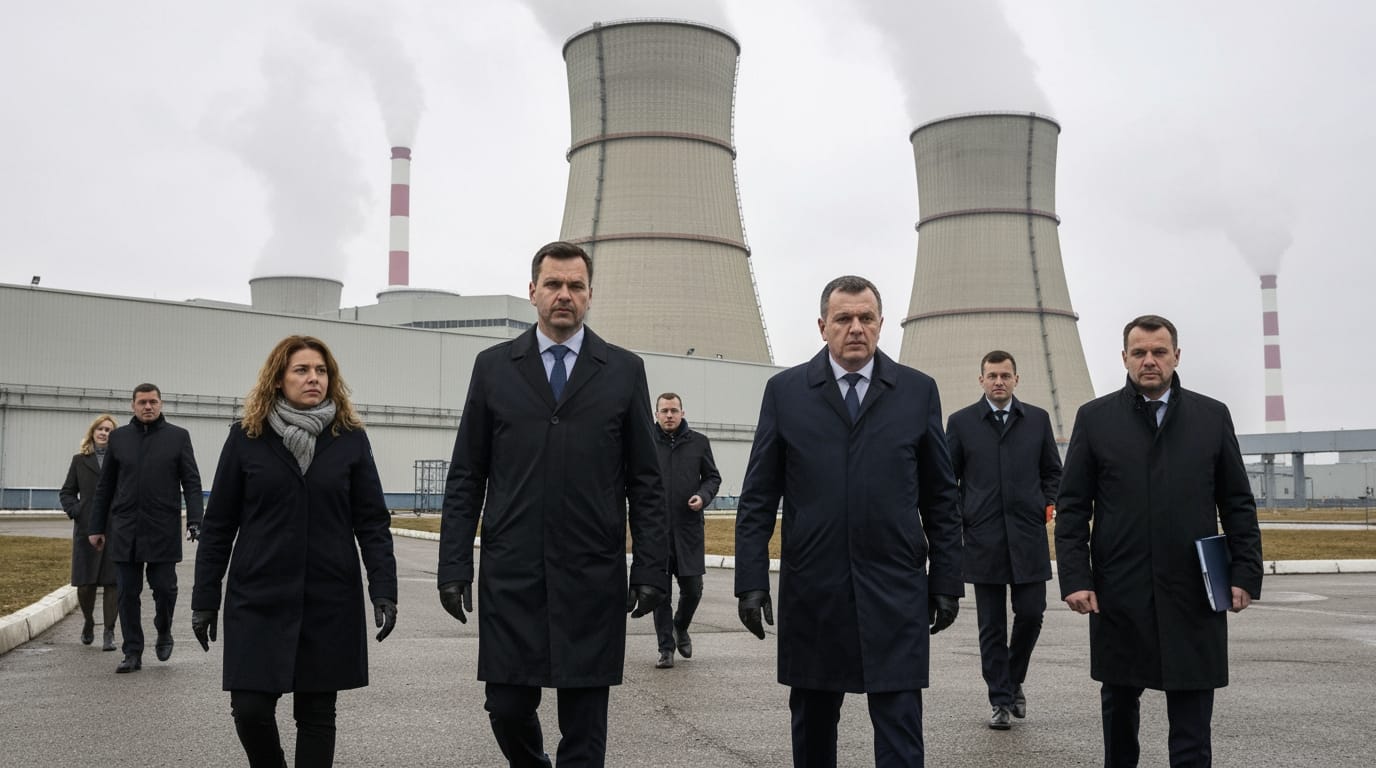
VIENNA, AUSTRIA – A new drone strike at the Russian-occupied Zaporizhzhia Nuclear Power Plant (ZNPP) in Ukraine has prompted an urgent call from the International Atomic Energy Agency (IAEA) for immediate access to assess the damage. The incident, reported on May 30-31, 2026, involved a drone striking a turbine building at the facility, raising renewed alarms about nuclear safety amidst ongoing hostilities in the region. IAEA Director General Rafael Grossi expressed "serious concern," warning that attacks on nuclear facilities are akin to "playing with fire" and stressing the critical need for unimpeded inspections.
The latest reported strike marks the first time since April 2024 that a drone attack has occurred within the perimeter of Europe's largest nuclear power plant, reigniting fears of a potential nuclear catastrophe. The IAEA team stationed at the ZNPP has formally requested full access to the affected turbine building to conduct a thorough, first-hand assessment of the reported damage and its implications for nuclear safety and security.
Escalation of Threat: Turbine Building Struck
According to reports received by the IAEA from the ZNPP, a drone made impact with a turbine building, reportedly causing a hole in one of its walls. While initial assessments from the plant’s management, controlled by Russia, indicated no damage to key equipment or casualties, the incident underscores the precarious safety situation at the facility. Rosatom, Russia's state nuclear corporation, attributed the strike to a Ukrainian drone, specifying the turbine island of Unit 6 as the target.
This latest event follows other recent drone-related reports at or near the plant. In early May 2026, Rosatom also claimed a Ukrainian drone struck a laboratory within the ZNPP's external radiation control perimeter. Additionally, a separate drone incident in late April 2026 reportedly resulted in the death of a driver employed by the plant's transport department, according to Russian-installed management. These incidents collectively paint a concerning picture of escalating drone activity in the vicinity of the nuclear power plant, exacerbating existing safety concerns. The IAEA's consistent requests for full and timely access to all areas of the plant are vital for independent verification of damage and assessment of risks, ensuring transparency and bolstering global confidence in the safety status of the facility.
A Troubling Echo of Past Incidents
The drone strike on the ZNPP's turbine building on May 30-31, 2026, resonates with a previous series of drone attacks on April 7, 2024, which also drew severe condemnation from the international community. In the 2024 incident, drone strikes hit the plant, including a direct impact on the reactor dome of Unit 6. IAEA Director General Grossi then characterized these attacks as a "major escalation" and highlighted that they were the first direct assaults on the plant since November 2022.
During the April 2024 events, IAEA experts at the site confirmed the physical impact of drone detonations, observing superficial scorching on the Unit 6 reactor dome. While the damage in 2024 did not compromise critical nuclear safety systems, Grossi cautioned that such actions represented a grave threat. Following those strikes, both Russia and Ukraine exchanged accusations, with Russia blaming Ukraine for the attacks and Ukraine denying responsibility, suggesting a "false flag" operation orchestrated by Russia. The United Nations Security Council also convened to address the grave implications of the April 2024 attacks, underscoring the high level of international concern over military activities at the nuclear site. The recurrence of direct strikes within the plant's perimeter now reinforces the volatile and unpredictable nature of the situation.
Unprecedented Risks and Persistent Vulnerabilities
The Zaporizhzhia Nuclear Power Plant, the largest of its kind in Europe, has been under Russian military control since March 2022, shortly after the full-scale invasion of Ukraine began. While all six of its reactors have been in cold shutdown for an extended period, the plant remains highly vulnerable. Even in this state, continuous power is required to operate critical cooling systems for the reactors and spent fuel pools, alongside other essential safety features. Disruptions to external power lines have occurred multiple times since the occupation, forcing the plant to rely on emergency diesel generators, a scenario that consistently raises safety alarms.
Director General Grossi has repeatedly articulated "five basic principles" for the protection of the ZNPP, including avoiding attacks from or against the plant, refraining from using it for military purposes, and ensuring the protection of off-site power sources. The repeated drone incidents, particularly those directly impacting the plant's infrastructure, are viewed as clear violations of these internationally recognized principles, placing the entire region at undue risk. The presence of a nuclear facility within an active war zone is an unprecedented situation, creating inherent dangers that demand the highest levels of caution and international cooperation. Rosatom has warned that continued drone strikes could lead to a "point of no return" for nuclear safety, highlighting the severe and irreversible consequences that a major incident could entail.
International Alarm and the Call for Restraint
The international community has consistently voiced alarm over the deteriorating safety and security situation at the ZNPP. Director General Grossi's stark warning that "attacking nuclear facilities is like playing with fire" reflects the profound concern shared by global leaders and nuclear safety experts. The IAEA has maintained a continuous presence at the plant since September 2022, with its experts documenting numerous shelling and drone incidents both at and near the facility. These efforts underscore the agency's commitment to monitoring the situation and mitigating risks, despite significant operational challenges posed by the conflict.
Calls for the demilitarization of the area around the ZNPP have been a consistent theme in international diplomatic efforts. The United States and European Union have previously condemned Russia's occupation of the plant, urging Moscow to withdraw its forces and return control to Ukrainian authorities to ensure long-term safety and security. The latest drone strike reinforces these calls, emphasizing that political and military restraint around the plant is paramount to preventing a nuclear accident with potentially devastating consequences that would extend far beyond Ukraine's borders. The ongoing uncertainty surrounding responsibility for the attacks further complicates efforts to de-escalate tensions and secure the plant.
The Imperative of Access and Dialogue
The recent drone strike at the Zaporizhzhia Nuclear Power Plant serves as a stark reminder of the fragile nuclear safety landscape in Ukraine. With renewed military activity directly targeting the plant's infrastructure, the risk of a severe nuclear incident remains acutely present. The IAEA's urgent demand for unimpeded access to inspect the damaged turbine building is not merely procedural; it is a critical measure to independently verify the plant's integrity, assess potential hazards, and provide the international community with accurate, unbiased information.
The persistent failure to adhere to Director General Grossi's established principles for protecting the ZNPP underscores the urgent need for a cessation of all military activities that could endanger the facility. Without sustained efforts towards de-escalation, dialogue, and guaranteed access for nuclear safety professionals, the world will continue to face the looming threat of a nuclear accident in a conflict zone, with unimaginable human and environmental repercussions.


