New Ebola Outbreak in Congo Poses Urgent Global Health Challenge as Bundibugyo Strain Spreads
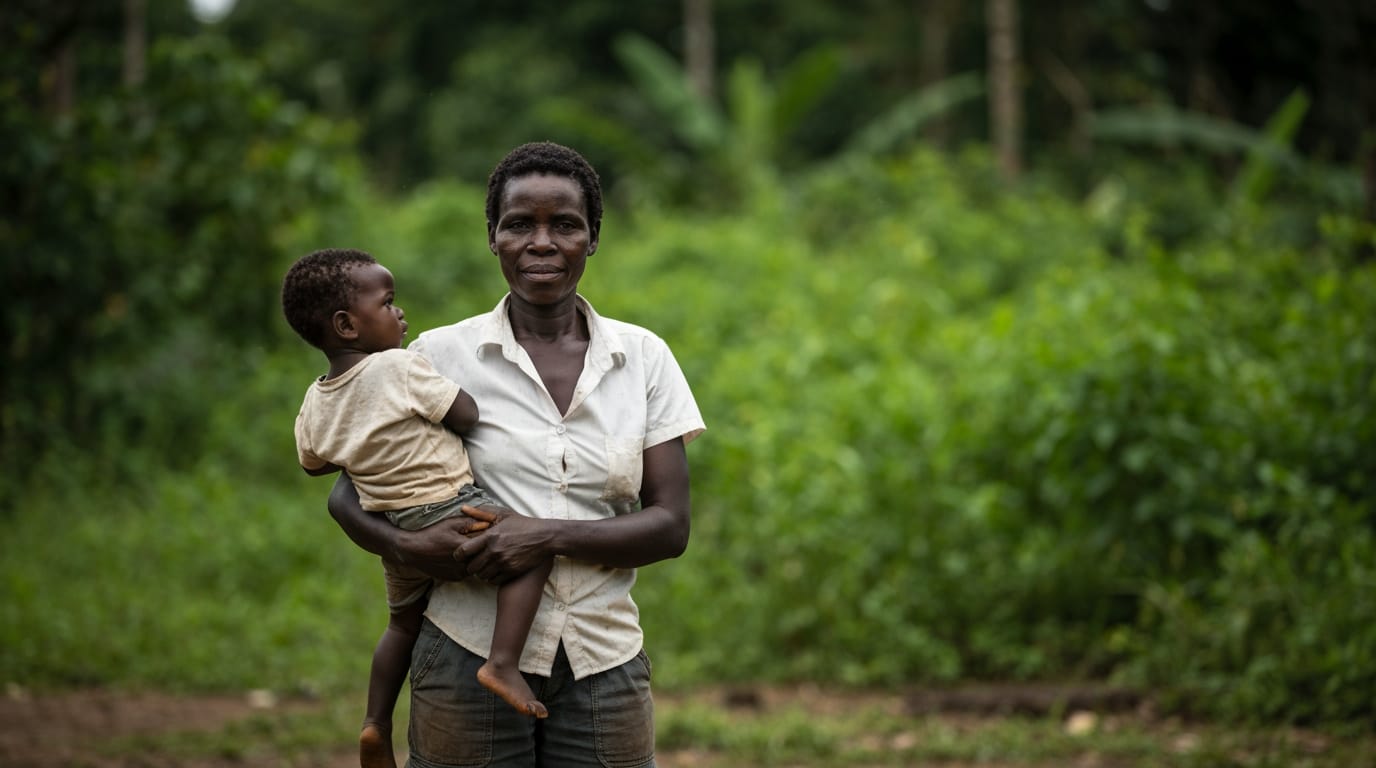
KINSHASA, Democratic Republic of Congo – The Democratic Republic of Congo (DRC) is once again grappling with a rapidly escalating Ebola outbreak, its 17th since the virus was first identified in 1976, marking a critical new chapter in the nation's ongoing struggle against the deadly disease. Declared on May 15, 2026, in the eastern Ituri Province, this latest resurgence is particularly alarming due to its causative agent: the Bundibugyo strain of Ebola, for which no approved vaccine currently exists. The World Health Organization (WHO) has swiftly classified the situation as a Public Health Emergency of International Concern, as the virus has already traversed provincial borders, reaching Nord-Kivu and Sud-Kivu, and has crossed into neighboring Uganda, with cases reported in its capital, Kampala.
The Evolving Crisis in Eastern DRC and Beyond
The current outbreak, centered in Ituri Province, presents a formidable challenge to public health systems already stretched thin by persistent conflict and humanitarian crises. As of May 27, 2026, the Democratic Republic of Congo has reported 1,077 suspected cases, with 121 confirmed, leading to 246 suspected deaths and 17 confirmed fatalities. Across the border in Uganda, seven confirmed cases and one death have been recorded, signaling the regional dimension of the emergency. Other reports indicate over 900 suspected cases and at least 223 deaths across both nations. Health experts fear the actual numbers may be significantly higher, suggesting the virus could have been circulating undetected for several weeks prior to the official declaration.
This outbreak is caused by the Bundibugyo virus, a less common but highly virulent strain of Ebola. Unlike the more prevalent Zaire ebolavirus, for which an effective vaccine (Ervebo) exists and has been successfully deployed in past outbreaks, there is no currently approved vaccine or targeted treatment specifically for the Bundibugyo strain. This absence significantly complicates containment efforts and increases the risk of wider transmission and higher mortality rates. Patients typically present with symptoms such as fever, generalized body pain, weakness, headache, and sore throat, followed by severe vomiting and diarrhea, and in some cases, bleeding. The non-specific nature of initial symptoms often leads to delayed diagnosis, further exacerbating the spread. The WHO's declaration of a Public Health Emergency of International Concern underscores the potential for global consequences, given the interconnectedness of communities and the historical challenges in containing Ebola.
Compounding Challenges on the Ground
The setting of this latest Ebola outbreak in eastern DRC, particularly Ituri Province, amplifies the inherent difficulties of an effective response. The region is a crucible of ongoing armed conflict, massive population displacement, and chronic food insecurity, all of which critically undermine health infrastructure and access to basic services. Insecurity and the constant movement of populations, whether due to conflict or economic activities like mining, create significant hurdles for surveillance, contact tracing, and the establishment of isolation facilities.
A persistent challenge to Ebola response efforts in the DRC has been community mistrust and the prevalence of denial and rumors surrounding the disease. This mistrust often stems from historical grievances, a lack of transparent communication, and, in some instances, a heavy-handed, militaristic approach to previous health interventions. Such factors can lead to resistance against health workers, hindering their ability to provide care and conduct safe burial practices, which are crucial in preventing further transmission. Attacks on health facilities and personnel have also been documented, further jeopardizing response efforts. Dr. Paul Khomba, a Congolese physician involved in the response, noted that patients often seek treatment too late, having attempted to manage symptoms at home, and that many health facilities are overwhelmed and lack adequate protective equipment, isolation space, and trained staff. Furthermore, global aid cuts have weakened already fragile health systems across the region, straining preparedness and response capacities at a critical juncture. The humanitarian community is particularly concerned about the heightened risks faced by women and girls, who often serve as primary caregivers and are thus disproportionately exposed to the virus.
The Race for Response Amidst Limited Tools
The absence of an approved vaccine for the Bundibugyo strain marks a significant departure from previous, more successful Ebola interventions in the DRC. During outbreaks caused by the Zaire ebolavirus, particularly the one in Équateur province in 2018, the rapid deployment of the Ervebo vaccine through a "ring vaccination" strategy proved highly effective. This approach involves vaccinating individuals at the highest risk of infection, including contacts of confirmed patients and frontline health workers. Early implementation of vaccination campaigns was shown to drastically reduce the geographical spread and overall risk of the disease. For instance, in September 2025, over 47,000 individuals were rapidly vaccinated with Ervebo in response to a Zaire Ebola outbreak, contributing to a dramatic reduction in cases and deaths.
However, the current situation with the Bundibugyo strain necessitates different strategies. With no specific vaccine readily available, the focus shifts to robust infection prevention and control, aggressive contact tracing, community engagement, and the exploration of novel therapeutics. The global health community, including the WHO, is actively reviewing potential treatments. Discussions are underway to prioritize certain monoclonal antibody therapies for clinical trials and to assess the efficacy of antiviral drugs like obeldesivir against the Bundibugyo strain.
International organizations are mobilizing resources and expertise. The U.S. Centers for Disease Control and Prevention (CDC) has dispatched epidemiologists to both the DRC and Uganda to support local health authorities. In an effort to prevent potential international spread, the CDC and the Department of Homeland Security (DHS) have implemented enhanced travel screenings and entry restrictions for travelers arriving in the United States from the DRC, South Sudan, and Uganda. An American citizen exposed to the Bundibugyo virus while working in the DRC tested positive and was subsequently transported to Germany for specialized treatment, highlighting the grave risks faced by frontline responders.
Global Vigilance and the Path Forward
The renewed surge of Ebola in the Democratic Republic of Congo, characterized by the challenging Bundibugyo strain, serves as a stark reminder that infectious diseases remain a persistent global threat. The WHO's designation of a Public Health Emergency of International Concern is a call to action, emphasizing that the world cannot afford to disregard outbreaks that emerge in remote or conflict-affected regions.
The ongoing response demands sustained international financial and logistical support, rapid research and development into Bundibugyo-specific vaccines and treatments, and, crucially, a renewed commitment to community engagement. Building trust and ensuring that local populations are partners in, rather than subjects of, intervention efforts is paramount. Dr. Paul Khomba aptly articulated the broader implications, stating, "This is not only a Congolese problem. Diseases do not respect borders." The implications extend beyond the immediate affected areas, with the Africa Centre for Disease Control and Prevention already warning of a high risk of regional spread. The current crisis underscores the imperative for strengthened health systems, continuous vigilance, and robust international cooperation to safeguard global health security against emerging and re-emerging pathogens.