New Zealand Moves to Ban Social Media for Under-16s Amid Global Push for Youth Online Safety
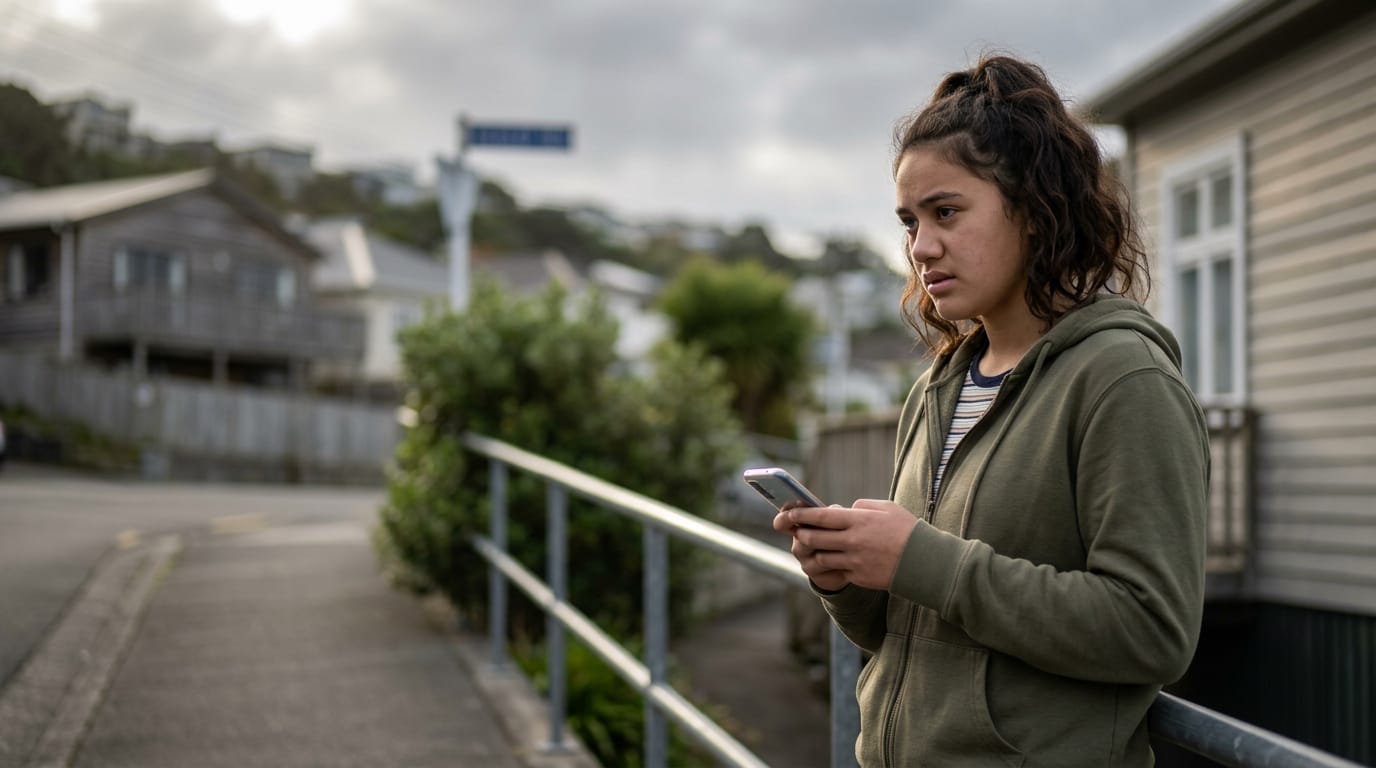
WELLINGTON, New Zealand – The New Zealand government announced Monday its intention to introduce groundbreaking legislation aimed at barring individuals under 16 years old from accessing social media platforms. The proposed "Online Safety (Minimum Age and Child Safety Risk Assessment) Bill" seeks to shield young New Zealanders from the documented harms of digital engagement, marking a significant escalation in the global effort to regulate internet access for minors. Prime Minister Christopher Luxon emphasized the critical need for intervention, citing the detrimental impact of social media on the mental health, education, and overall well-being of a generation of children.
The Bold New Zealand Initiative
Under the provisions of the forthcoming bill, social media companies would face stringent requirements to prevent users under the age of 16 from creating or maintaining accounts. Non-compliance could result in substantial penalties, including fines reaching up to 10% of a platform's global revenue. The legislation specifically targets high-risk platforms such as Instagram, TikTok, Snapchat, Facebook, X (formerly Twitter), and YouTube. To enforce the age restriction, platforms would be mandated to implement "reasonable steps" for age verification, utilizing a range of technologies including existing account information, facial age estimation, digital identity services, and formal identification documents. Significantly, the bill delineates clear boundaries, excluding messaging applications like WhatsApp and Discord, online games such as Roblox, and productivity-focused AI chatbots from its scope, while covering social AI companions. This targeted approach reflects an acknowledgement of the varied digital landscape and aims to focus regulatory power on platforms primarily designed for social interaction and content consumption. The government's decision to push forward with this legislation follows earlier discussions around a member's bill by National Party MP Catherine Wedd, underscoring a growing bipartisan concern over youth online safety that has now gained full government backing.
The Driving Force: Child Safety and Mental Health Concerns
The primary impetus behind New Zealand's proposed ban is a deepening concern over the pervasive and often negative influence of social media on young people. Prime Minister Luxon articulated that "one in three children aged between 13 and 17 are now spending at least five hours on social media a day," exposing them to harmful content, addictive technology, and emotional pressures they are ill-equipped to handle. Research consistently links excessive social media use to a range of adverse outcomes in adolescents. Studies indicate that young people spending more than three hours daily on social media are twice as likely to experience symptoms of anxiety and depression. Furthermore, social media has been associated with increased rates of psychological distress, sleep disruption, eating disorders, low self-esteem, and exposure to cyberbullying. The vulnerability of younger adolescents is particularly highlighted, with evidence suggesting they are more susceptible to negative impacts compared to older teens, partly due to emotional immaturity. While social media can offer benefits like connection and identity exploration for some youth, the consensus among policymakers and health experts is that the risks for those under 16 often outweigh these potential advantages. The proposed legislation aims to establish a societal norm that protects children during critical developmental stages, recognizing that relying solely on parental vigilance is often insufficient given the sophisticated design of these platforms.
A Global Trend Towards Age Restrictions
New Zealand's move is not isolated but rather indicative of a rapidly accelerating global trend to impose age restrictions on social media use. Australia, a close neighbor and key reference point, led the way by implementing a nationwide under-16 social media ban in December 2025, which mandated age verification and the removal of underage users. This Australian precedent serves as a model for New Zealand's current proposal, demonstrating the feasibility and perceived necessity of such regulation. Beyond Australia, a growing number of countries are actively pursuing or have already enacted similar measures. Malaysia, France, and Portugal have passed their own restrictions, with many other nations across Europe, including Greece, Spain, Norway, and the United Kingdom, either discussing or proposing comparable age thresholds, typically set at 15 or 16 years old. The United States has also seen various states introducing or debating legislation to restrict minors' access to social media. This international alignment reflects a broad consensus among governments that urgent action is required to safeguard children in the digital age, comparing the need for such protections to historical public health measures like seatbelt laws or anti-smoking campaigns.
Navigating Opposition and Implementation Challenges
Despite the strong rationale and growing international momentum, the proposed ban faces significant hurdles, both political and practical. Domestically, the bill's passage through Parliament is not guaranteed, with at least one of Prime Minister Luxon's coalition partners, the New Zealand First party, expressing reservations. New Zealand First leader Winston Peters characterized similar legislation as a "colossal failure" and asserted that keeping children off social media should primarily be the responsibility of parents. Critics often raise concerns about the enforceability of such bans, suggesting that determined minors might find ways to circumvent age verification systems or migrate to less regulated, and potentially more dangerous, corners of the internet. Privacy advocates also voice apprehension regarding the extensive age verification mechanisms, such as facial recognition and digital IDs, fearing potential infringements on individual privacy for all users, not just minors. While public opinion polls in New Zealand from mid-2025 showed notable support for a social media ban for under-16s (57.8%) and even higher support for an under-14 ban (72%), these figures do not fully mitigate the complex legislative and societal debates ahead.
Conclusion
New Zealand's proposed social media ban for under-16s represents a bold policy response to a complex modern challenge. Driven by compelling evidence of social media's adverse effects on youth mental health and development, the government is aligning with a burgeoning global movement to establish stricter online safeguards for children. While the initiative reflects a strong commitment to protecting younger generations, its implementation will undoubtedly spark ongoing debates about parental responsibility, technological feasibility, and the delicate balance between online safety and individual freedoms. As the bill progresses through the parliamentary process, the nation, and indeed the world, will be watching closely to see how New Zealand navigates these intricate issues in its quest to foster a safer digital environment for its children.