Nigeria Declares State of Emergency in Rivers State, Suspends Governor
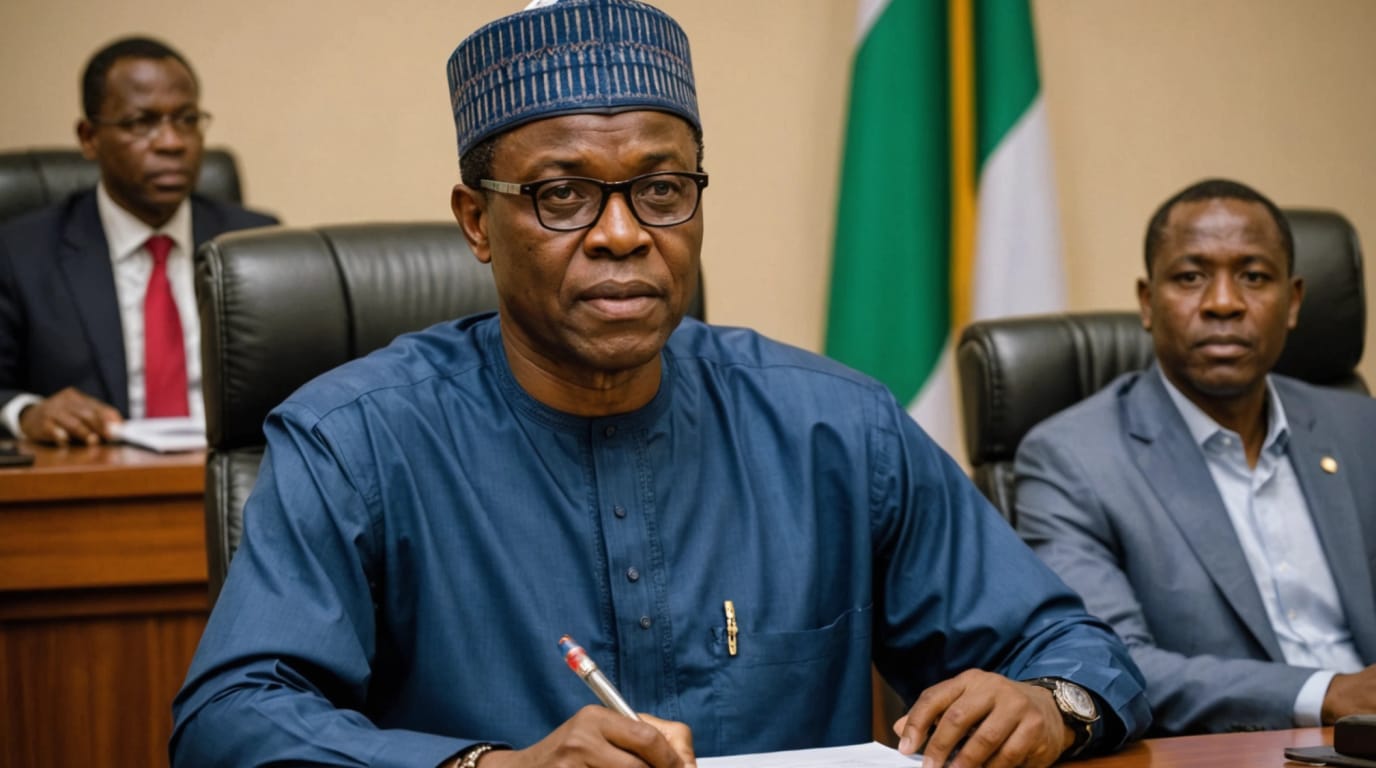
ABUJA, Nigeria (March 19, 2025) — President Bola Tinubu has declared a state of emergency in Rivers State, a key oil-producing region, and suspended Governor Siminalayi Fubara, his deputy, and all elected members of the State House of Assembly. The drastic measure, announced in a nationwide broadcast Tuesday evening, comes in response to a prolonged political crisis and escalating incidents of pipeline vandalism that threaten Nigeria's oil production.
The suspension, effective immediately for an initial period of six months, marks a significant intervention by the federal government in the affairs of Rivers State. Tinubu cited Section 305 of the 1999 Constitution as the legal basis for his decision, arguing that the situation in Rivers State constituted a national emergency. He has nominated retired Vice Admiral Ibokette Ibas as administrator to oversee the state's affairs during the emergency period.
Reasons for the Declaration
President Tinubu stated that his decision was prompted by security reports detailing recent acts of pipeline vandalism and the governor's alleged failure to take adequate action to prevent them. A recent blast and fire on the Trans Niger Pipeline, a critical artery for transporting crude oil to the Bonny export terminal, underscored the severity of the situation.
"The latest security reports made available to me show that between yesterday and today, there have been disturbing incidents of vandalization of pipelines by some militants without the governor taking any action to curtail them," Tinubu said in his address. He added that a responsible president could not stand by and allow such a grave situation to continue without taking remedial steps.
Beyond the immediate security concerns, the declaration also stems from a protracted political crisis within Rivers State. Governor Fubara has been embroiled in a power struggle with state lawmakers, many of whom are loyal to his predecessor, Nyesom Wike. The governor has been accused of misconduct, including unconstitutional spending of public funds and obstructing the House of Assembly's functions. The state assembly had also announced an indefinite recess, preventing Fubara from presenting the 2025 budget.
Constitutional Basis and Legal Challenges
President Tinubu based his declaration on a section of the constitution that defines a state of emergency as a situation of national danger or disaster. However, the legality of the suspensions has been questioned. The Nigerian Bar Association (NBA) has criticized the move, arguing that a declaration of emergency does not automatically dissolve or suspend elected state governments.
"A declaration of emergency does not automatically dissolve or suspend elected state governments," said Afam Osigwe, the NBA's president, in a statement. The NBA's stance highlights the potential for legal challenges to the president's actions, raising questions about the long-term stability of the imposed emergency rule.
Implications for Rivers State
The declaration of a state of emergency grants the federal government broad powers to govern Rivers State. This includes the ability to make regulations, deploy security forces, and oversee the state's administration. Retired Vice Admiral Ibokette Ibas, as the appointed administrator, will be responsible for managing the state's affairs for the next six months.
President Tinubu clarified that the declaration does not affect the judicial arm of Rivers State, which will continue to function according to its constitutional mandate. The administrator is barred from enacting new laws but is authorized to formulate regulations. Military trucks have been deployed to the Rivers State Government House in Port Harcourt, the state capital, following Tinubu's announcement.
The move has sparked mixed reactions within Rivers State. Supporters of the president's action argue that it is necessary to restore order and stability, while critics view it as an overreach of federal power and an attempt to undermine the state's autonomy. The opposition People's Democratic Party (PDP) has condemned the declaration as unconstitutional and accused Tinubu's ruling APC party of attempting to forcefully take over Rivers State.
Historical Context and National Impact
This is not the first time a state of emergency has been declared in Nigeria since the country's return to democracy in 1999. In 2013, President Goodluck Jonathan declared a state of emergency in the northeastern states of Adamawa, Borno, and Yobe during the height of the Boko Haram insurgency. However, the governors of those states were not suspended at that time.
The current situation in Rivers State is particularly sensitive due to the state's importance as a major oil-producing region. Disruptions to oil production in the Niger Delta have significant consequences for Nigeria's economy, which relies heavily on oil revenues. The declaration of a state of emergency reflects the federal government's concern about maintaining stability and ensuring the continued flow of oil exports.
The suspension of the governor and other elected officials also raises concerns about the future of democracy in Nigeria. Critics argue that the move sets a dangerous precedent and could be used to suppress political opposition in other states. The coming months will be crucial in determining whether the emergency rule in Rivers State achieves its stated goals of restoring order and stability or further exacerbates political tensions.
Looking Ahead
The next steps will involve the formal notification of the National Assembly, which has the power to endorse or reject President Tinubu's decision. The appointment of Vice Admiral Ibas as administrator will also need to be ratified. The focus will be on how Ibas navigates the complex political landscape of Rivers State and addresses the underlying issues that led to the crisis.
The situation in Rivers State remains fluid, and the long-term consequences of the declaration of a state of emergency are uncertain. The ability of the federal government to restore stability, address the root causes of the political crisis, and ensure the continued flow of oil revenues will be critical in the coming months. The eyes of the nation, and indeed the international community, are now on Rivers State as Nigeria navigates this latest challenge to its democratic institutions.


