Nigeria Gears Up for Pivotal 2027 Presidential Election Amidst Economic and Political Crosscurrents
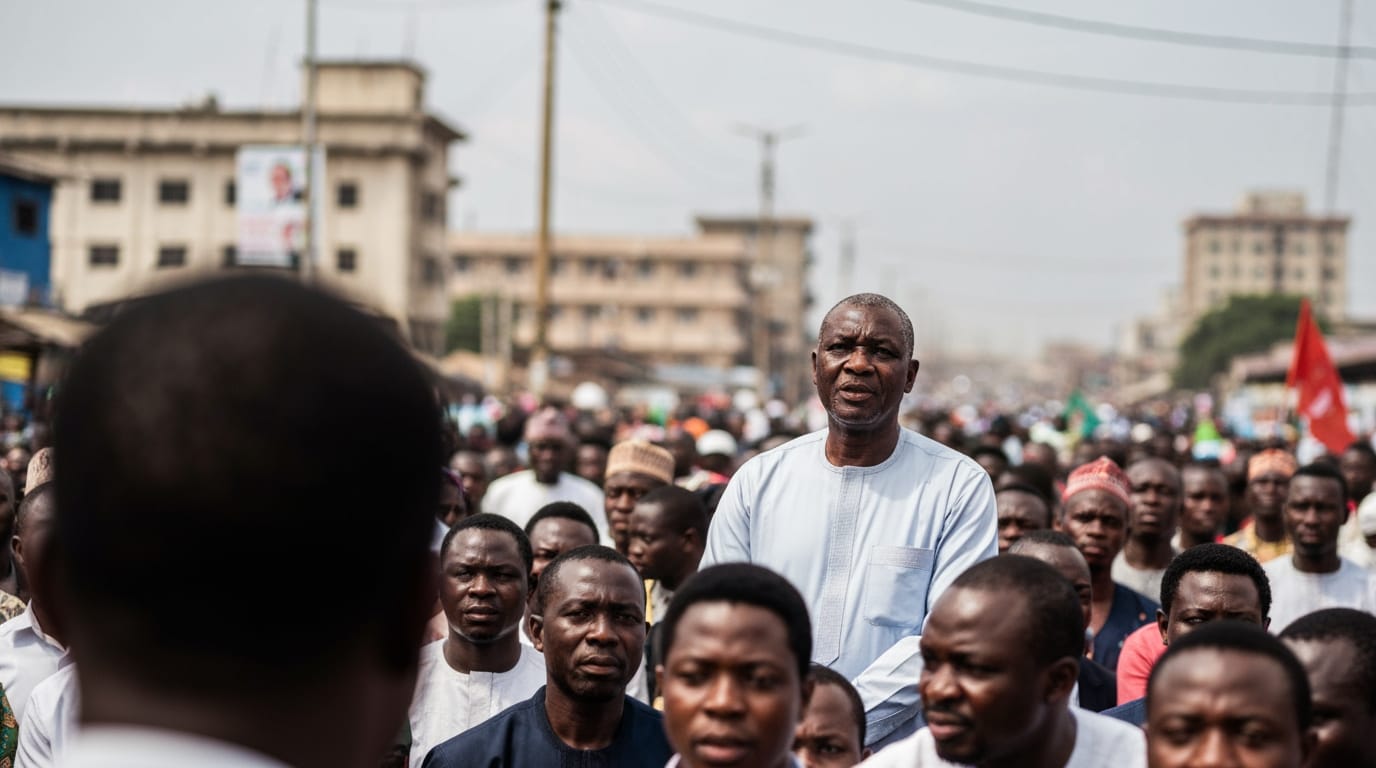
Abuja, Nigeria – Nigeria, Africa's most populous nation and largest economy, is on the cusp of another defining moment in its democratic journey as the Independent National Electoral Commission (INEC) has officially scheduled the presidential and National Assembly elections for Saturday, February 20, 2027. This early announcement, made by INEC Chairman Professor Joash Amupitan, aims to set a clear electoral timeline, providing crucial lead time for political parties, candidates, and the electorate in a country grappling with complex economic challenges and persistent demands for electoral integrity. The upcoming polls are expected to be a critical barometer of Nigeria's democratic resilience and its capacity to navigate pressing national issues, from economic stabilization to pervasive insecurity.
The Road to February 2027: A Detailed Timeline Unveiled
The Independent National Electoral Commission (INEC) has laid out an extensive timetable for the 2027 general elections, signaling an intent to foster transparency and allow adequate preparation for all stakeholders. The presidential and National Assembly elections are slated for February 20, 2027, with the governorship and State House of Assembly elections to follow on March 6, 2027. This schedule is in accordance with Section 28(1) of the Electoral Act, 2022, and the 1999 Constitution, which mandate INEC to publish the Notice of Election at least 360 days before the election date.
Key activities on INEC's calendar include the commencement of Continuous Voter Registration (CVR) in April 2026, extending through January 2027, to ensure that all eligible citizens have the opportunity to register or update their voter information. Political parties are required to conduct their primaries between July 1 and September 30, 2026, and subsequently submit their lists of candidates to INEC by October 31, 2026. The final list of candidates is scheduled for publication on November 15, 2026. Campaign activities for the presidential and National Assembly elections are set to officially begin on November 18, 2026, and conclude on February 19, 2027, just a day before the polls.
INEC Chairman, Professor Amupitan, emphasized that these early declarations are part of the commission's commitment to enhancing the integrity and effectiveness of Nigeria's electoral processes. The commission is also strengthening its internal coordination, leadership capacity, and operational systems in anticipation of the 2027 elections. In a demonstration of its proactive approach, INEC has proposed a budget of N873.78 billion for the upcoming elections, with substantial allocations dedicated to election operations, technology, and capital expenditure. The commission plans to utilize off-cycle elections, such as the Federal Capital Territory (FCT) Area Council Elections in February 2026 and governorship elections in Ekiti and Osun States, as crucial test runs for logistics management and the deployment of technological tools like the Bimodal Voter Accreditation System (BVAS).
Electoral Landscape: Internal Rifts and Public Scrutiny
As the election cycle draws closer, Nigeria’s political landscape is characterized by shifting alliances and internal dynamics within major parties. The ruling All Progressives Congress (APC), the Peoples Democratic Party (PDP), and the Labour Party (LP), alongside other political entities, are reportedly grappling with leadership tussles and factional disputes. Observers note that while the APC, as the incumbent, appears to be focusing on consolidating its position, opposition parties face the challenge of presenting a united front. The registration of two new political parties, the Democratic Leadership Alliance (DLA) and the Nigeria Democratic Congress (NDC), has further expanded the political playing field, bringing the total number of recognized parties to 21. However, the capacity of these newer or smaller parties to significantly influence the outcome remains a subject of debate, given the historical dominance of the two major parties.
The political discourse leading up to 2027 is expected to be heavily influenced by several critical national issues. Insecurity, ranging from jihadist attacks in the northeast to banditry and mass abductions in the northwest and north-central regions, continues to be a major concern for the populace and a significant vulnerability for the current administration. The economic situation, marked by inflationary pressures and the need for sustained reforms, will also play a pivotal role. Furthermore, the deepening divides along religious and tribal lines, which have historically shaped Nigerian political campaigns and voter decisions, are anticipated to remain a potent force in the upcoming elections. Civil society groups and analysts are calling for a shift towards merit and integrity in leadership, urging Nigerians to look beyond identity politics.
Economic Crosscurrents: Navigating Reforms Amidst Political Cycles
The upcoming 2027 general elections present a significant test for Nigeria's ongoing economic reforms, according to warnings from the Nigerian Economic Summit Group (NESG) and the Central Bank of Nigeria (CBN). Both institutions have cautioned that the election cycle could lead to "reform fatigue" and policy reversals, potentially eroding the gains made in stabilizing the economy. CBN Governor Olayemi Cardoso specifically highlighted the risks posed by excess liquidity in the system during election periods, which could undermine macroeconomic stability.
Nigeria has been in a "critical consolidation phase" of economic reforms since 2023, with projections for a 5.5% growth in 2026, contingent on the sustained implementation of these reforms through the political cycle. However, the historical pattern of increased government spending and potential policy inconsistencies during election campaigns raises concerns about maintaining fiscal discipline. Analysts suggest that anchoring reforms ahead of the elections will require a firm commitment to macroeconomic discipline, aiming for single-digit inflation, sustained exchange rate stability, and robust foreign reserves. As of February 5, 2026, Nigeria's net foreign reserves had reportedly risen to $49 billion, a significant recovery from previous lows, indicating improved confidence in the economy.
Towards Credible Polls: Addressing Past Challenges
Ensuring free, fair, and credible elections remains a paramount concern for Nigerians and the international community. Past presidential elections, including the 2023 polls, have been marred by controversies surrounding the transparency of results collation, issues with voter apathy, vote buying, and instances of electoral violence. The effective deployment and utilization of technology, such as the BVAS and the INEC Results Viewing (IReV) portal, have been central to discussions on electoral integrity. Civil society organizations (CSOs) are actively advocating for reforms, including mandatory electronic transmission of election results in real-time and the introduction of downloadable voter cards to prevent disenfranchisement. These calls aim to address discrepancies and build public trust, which has been fragile in previous electoral cycles.
INEC has reiterated its commitment to upholding the rule of law and conducting elections free from interference, with fairness, credibility, transparency, and inclusivity as guiding principles. The commission's proactive steps, such as early announcement of the timetable and substantial budgetary allocation, are seen as efforts to mitigate logistical bottlenecks and reduce speculation that historically plagued election preparations. However, the delayed passage of an amended Electoral Act, particularly regarding provisions for electronic transmission of results, continues to be a point of concern for watchdogs advocating for greater electoral accountability.
A Nation on the Verge
As Nigeria progresses toward the 2027 general elections, the stakes are exceptionally high for the consolidation of its democratic institutions and the future direction of the nation. The electoral process will unfold against a backdrop of complex socio-economic realities, internal political maneuvering, and a persistent public demand for good governance and accountability. The ability of INEC to deliver transparent and credible elections, coupled with the political class's commitment to democratic principles and the sustained focus on economic reforms, will be crucial in shaping Nigeria’s trajectory. The coming months will undoubtedly witness intensified political activities, policy debates, and public discourse, all converging on February 20, 2027, as Nigeria once again steps onto the global stage to elect its leadership.


