Nigeria Grapples with Soaring Inflation, Eroding Livelihoods
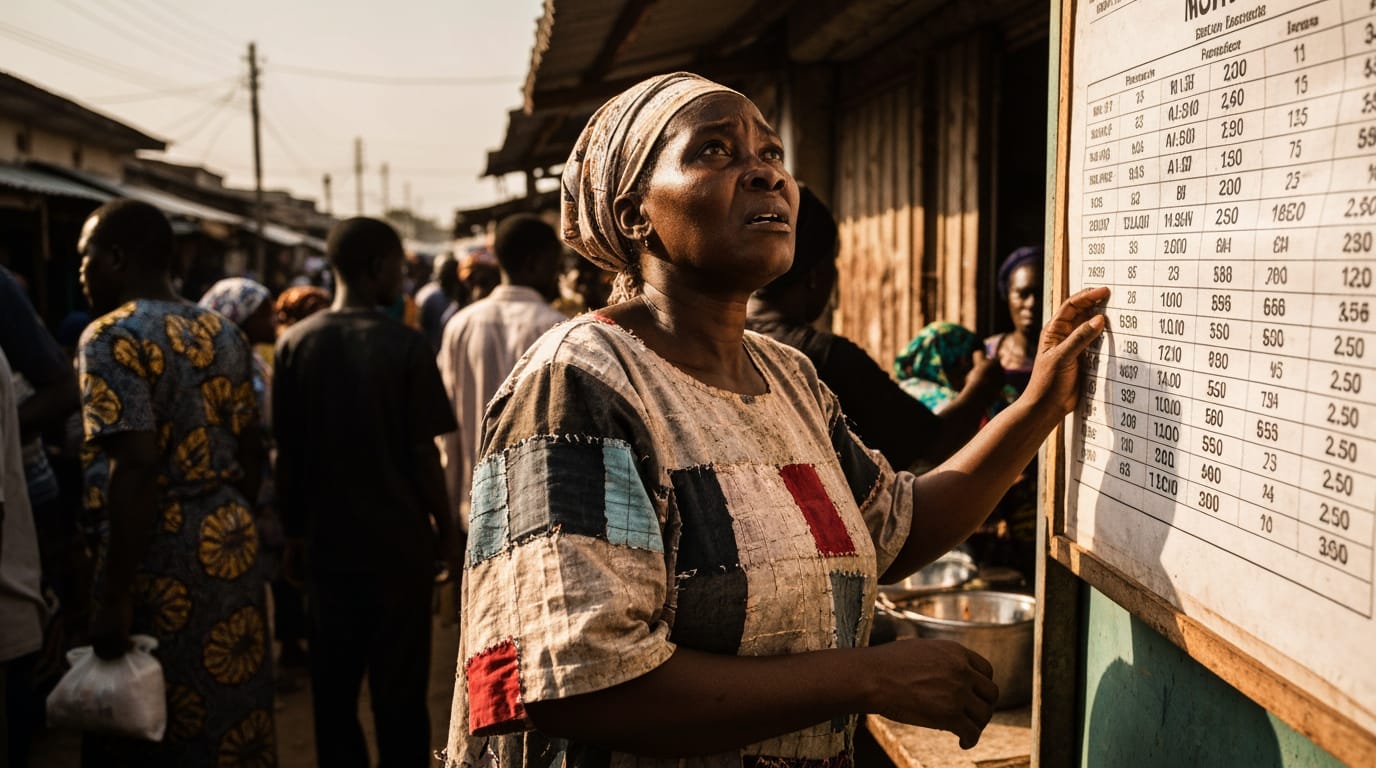
Abuja, Nigeria – Nigeria's economy is in the throes of a persistent and severe inflationary surge, relentlessly eroding the purchasing power of its citizens and pushing millions deeper into financial hardship. The soaring cost of essential goods and services, driven by a confluence of economic reforms and underlying structural issues, has created an acute cost-of-living crisis that dominates the daily lives of households across the nation. Families are struggling to afford basic necessities like food, transportation, and housing, with economic indicators showing a profound impact on individual welfare and national stability.
The Relentless Climb: Understanding Nigeria's Inflationary Spiral
Nigeria has endured a prolonged period of elevated inflation, with recent figures underscoring the severity of the challenge. The headline inflation rate escalated to 34.19% in June 2024, a notable increase from 33.95% in May of the same year and significantly higher than the 22.79% recorded in June 2023. This upward trajectory follows a 2023 inflation rate of 27.33%, primarily fueled by the removal of fuel subsidies, exchange rate volatility, and disruptions to supply chains. In January 2024, the nation's inflation rate stood at 29.9%, the highest in over two decades, with food inflation, a critical component, reaching 35.4%. While the Central Bank of Nigeria (CBN) reported a moderation to 14.50% by November 2025 from a peak of 34.6% in November 2024, and further eased to 15.15% in December 2025, the cumulative impact remains substantial.
The drivers behind Nigeria's persistent inflation are multifaceted. The removal of the costly fuel subsidy has directly led to increased transportation and energy costs, which permeate all sectors of the economy. Compounding this is the significant depreciation of the Naira, making imports more expensive and contributing to higher production costs for businesses reliant on foreign raw materials. Logistics costs have also surged, further driving up food prices. While the CBN has implemented tightening monetary policies, a previous loosening of the money supply in June 2023, coupled with high global crude oil prices, also played a role in fueling inflationary pressures. Experts frequently categorize Nigeria's current inflationary environment as "cost-push," meaning rising production expenses are passed on to consumers, a type of inflation that often proves challenging for conventional monetary policy tools to address effectively.
The Human Cost: Households Under Siege
The direct impact of rampant inflation is most acutely felt by Nigerian households, whose purchasing power has been severely eroded. Real incomes have declined, making it increasingly difficult for families to maintain their standard of living. Basic staples like rice, beans, bread, and cooking oil have, in some instances, doubled or even tripled in price, rendering a balanced diet or three square meals a day an unattainable luxury for many. The crisis extends beyond food; transportation fares have surged due to the elimination of fuel subsidies and the rising cost of petrol and diesel, impacting both public transport users and private car owners. Housing costs, particularly rent in major urban centers such as Lagos and Abuja, have skyrocketed, forcing some residents to downsize or relocate.
For the average Nigerian, saving money, traditionally viewed as a cornerstone of financial security, has become a futile exercise as inflation acts as an "invisible thief," diminishing the value of diligently saved funds. Wages have largely failed to keep pace with the accelerating prices, leaving many workers struggling to bridge the widening gap between their earnings and the cost of living. This has exacerbated food insecurity across the nation, with an estimated 17 million people facing acute food insecurity. Lower-income households are disproportionately affected, with empirical evidence showing that 79% of urban households and 71% of rural households experience some form of food insecurity. Consumers have been compelled to adjust their spending habits, prioritizing only the most essential items and seeking out cheaper alternatives, leading to a noticeable shift in market behavior.
Ripple Effects Across the Economy
Beyond individual households, the inflationary crisis sends ripple effects throughout Nigeria's economic landscape. Businesses, particularly small and medium-sized enterprises, face significantly higher input costs, which are inevitably passed on to consumers through increased prices. This dynamic can lead to reduced job security as producers attempt to maintain profit margins in the face of rising expenses. The economic strain contributes to an alarming increase in poverty, with 133 million Nigerians living in multidimensional poverty in 2022, a number that continues to grow as inflation persists.
The continuous erosion of purchasing power leads to decreased consumer spending on non-essential goods and services, further stifling economic growth. The volatility of the Naira also creates an unpredictable environment for importers and manufacturers, hindering long-term planning and investment. Concerns are mounting that the escalating cost of living could lead to social unrest as citizens demand higher wages and greater economic stability.
Government Responses and the Path Forward
In response to the escalating crisis, the Nigerian government and the Central Bank of Nigeria (CBN) have implemented a series of reforms and monetary policy adjustments. The CBN has consistently adopted a tightening monetary stance, raising interest rates to curb the money supply and bring down inflation. The policy rate stood at 27% in November 2025. The apex bank has also ended the monetary financing of fiscal deficits and is working towards improved data analytics and communication in its inflation-targeting framework.
President Bola Tinubu's administration, upon taking office in 2023, initiated ambitious economic overhauls, including the removal of fuel and energy subsidies, devaluation of the Naira, and changes to the tax system. These measures, while deemed necessary for long-term economic restructuring, have undeniably contributed to the immediate cost-of-living crisis.
Looking ahead, the government launched the "Dis-Inflation and Growth Acceleration Strategy (DGAS)" in November 2025. This two-year plan is a joint effort between the federal government and the CBN, aiming to bring inflation down to single digits, accelerate GDP growth beyond 7%, and double household incomes. The strategy emphasizes coordinated fiscal and monetary actions, focusing on development finance, private investment, and enhancing industrial energy supply.
Despite these efforts, challenges remain. The predominant cost-push nature of Nigeria's inflation makes it difficult for monetary policy alone to be fully effective. Structural issues such as poor infrastructure, insecurity, and supply chain bottlenecks continue to exert inflationary pressure. While some recent statistics indicate a moderation in inflation, particularly in food prices, observers caution that the full impact on everyday Nigerians remains significant.
Conclusion
The high inflation gripping Nigeria represents a profound and pervasive challenge, deeply impacting the fabric of everyday life for its citizens. The relentless increase in the cost of living has not only diminished purchasing power and exacerbated poverty but also intensified food insecurity and financial instability for millions. While the Nigerian government and the Central Bank have embarked on ambitious reforms and introduced strategies to stabilize the economy and curb inflation, the journey toward sustainable relief is complex and ongoing. The human element of this economic crisis remains central, underscoring the urgent need for consistent, effective, and people-centric policies to alleviate hardship and foster genuine economic resilience. The CBN projects an average inflation of 12.94% and GDP growth of 4.49% for 2026, with the government forecasting 4.68% growth and 16.5% inflation, offering a glimmer of hope amidst the current struggles. However, the real measure of success will be seen in the tangible improvement of living standards for every Nigerian.


