Nigerian Senator Suspended After Harassment Claim Ignites Controversy
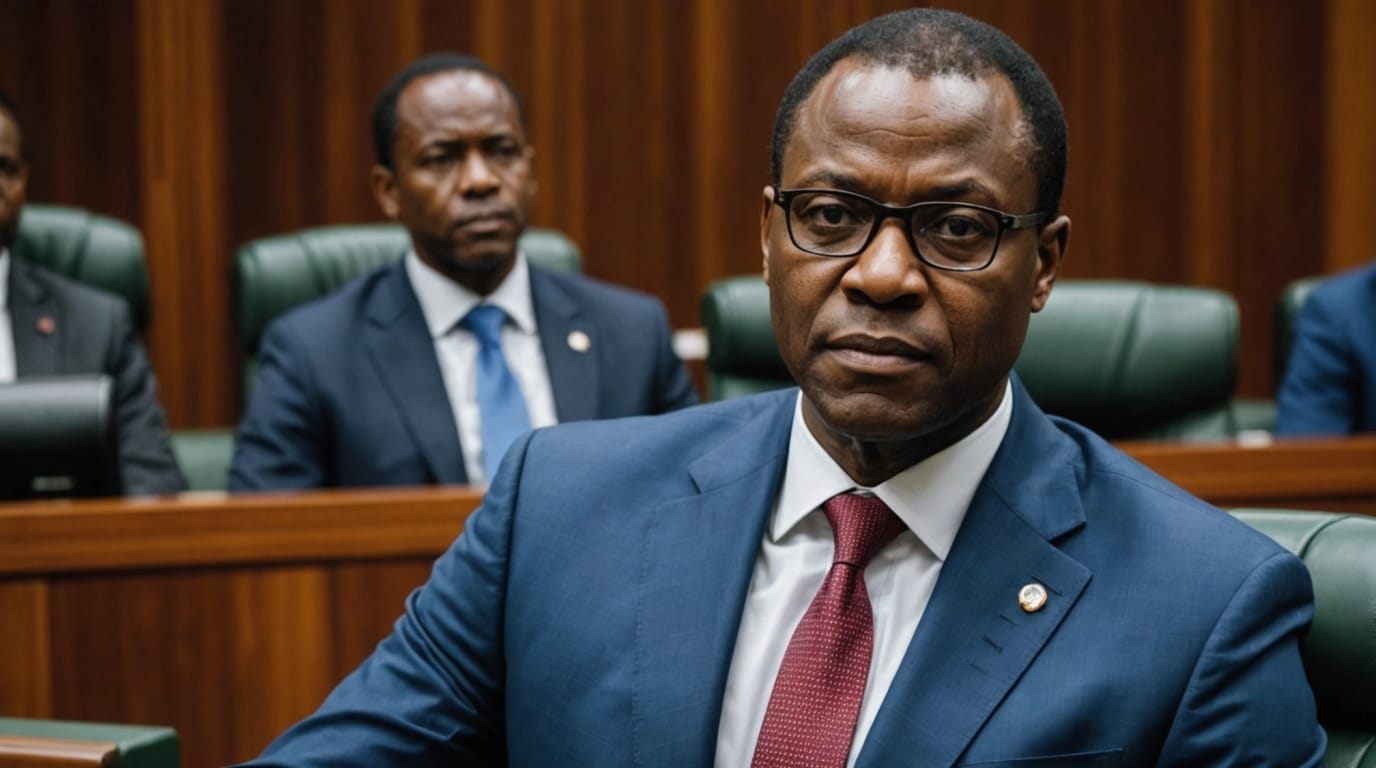
Abuja, Nigeria – The Nigerian Senate has suspended Senator Natasha Akpoti-Uduaghan for six months following her accusations of sexual harassment against Senate President Godswill Akpabio. The suspension, enacted Thursday, has triggered immediate backlash, raising questions about due process, fairness, and the protection of whistleblowers within the Nigerian government.
The suspension includes the withdrawal of Akpoti-Uduaghan's allowances and security detail. The Senate justified the action by citing a breach of its Standing Orders, stemming from an earlier dispute over a change in her seating arrangement and the subsequent accusations against Akpabio. The Senate ethics committee had previously rejected Akpoti-Uduaghan's petition, citing procedural violations.
Akpoti-Uduaghan, one of only four women in the 109-seat chamber, publicly accused Akpabio of making unwanted sexual advances toward her in 2023. In an interview with Arise TV on February 28, she alleged that Akpabio repeatedly blocked a motion she tried to advance and tied its progress to demands for sexual favors. She stated Akpabio told her the motion could pass if she "took care" of him, allegedly adding, "You can enjoy a whole lot if you take care of me and make me happy." Akpabio has vehemently denied these allegations.
The controversy began on February 20 when Akpoti-Uduaghan arrived at the Senate to find her assigned seat changed and her nameplate removed. This led to a heated exchange with Akpabio and culminated in her formal petition on March 5.
Adding another layer to the complex situation, a Federal High Court in Abuja issued an order on March 6, just a day before the suspension, barring the Senate from investigating Akpoti-Uduaghan for alleged misconduct. The court directed the Senate to justify its probe within 72 hours, a directive that was seemingly ignored when the suspension was carried out.
The Senate has dismissed Akpoti-Uduaghan's sexual harassment claims as "frivolous" and demanded a written apology from her to Akpabio. Meanwhile, a sociopolitical group from Akpabio's home state, Atai Afe Annang, has called for Akpoti-Uduaghan's recall from the Senate, further escalating the situation.
Akpoti-Uduaghan has denounced her suspension, calling it a violation of natural justice, fairness, and equity. In a statement posted on social media, she asserted that the suspension does not invalidate her legitimacy as a senator and vowed to continue serving her constituents to the best of her ability until 2027 and beyond. "Against the culture of silence, intimidation and victim-shaming; my unjust suspension from the Nigerian Senate invalidates the principles of natural justice, fairness and equity," she stated.
This is not the first time allegations of misconduct have surfaced against Akpabio. Joy Nunieh, a former government official, previously accused him of sexual harassment, claiming she had even slapped him for it.
The suspension has sparked protests and condemnation, particularly from feminist groups and human rights advocates. Supporters of both Akpoti-Uduaghan and Akpabio have held rival demonstrations outside the Senate, highlighting the deep divisions the case has created.
The Nigerian Senate's decision to suspend Senator Akpoti-Uduaghan raises serious concerns about the protection of lawmakers who report misconduct. The events leading up to the suspension, including the rejection of her petition on procedural grounds and the disregard for a court order, have fueled accusations of a cover-up and a lack of due process. The case also highlights the challenges women in Nigerian politics face, particularly when speaking out against powerful figures. The coming months will be critical in determining the long-term implications of this case for Nigerian politics and the fight against sexual harassment.


