Nigeria's High-Stakes Presidential Campaign Kicks Off Amid Economic Woes, Security Challenges
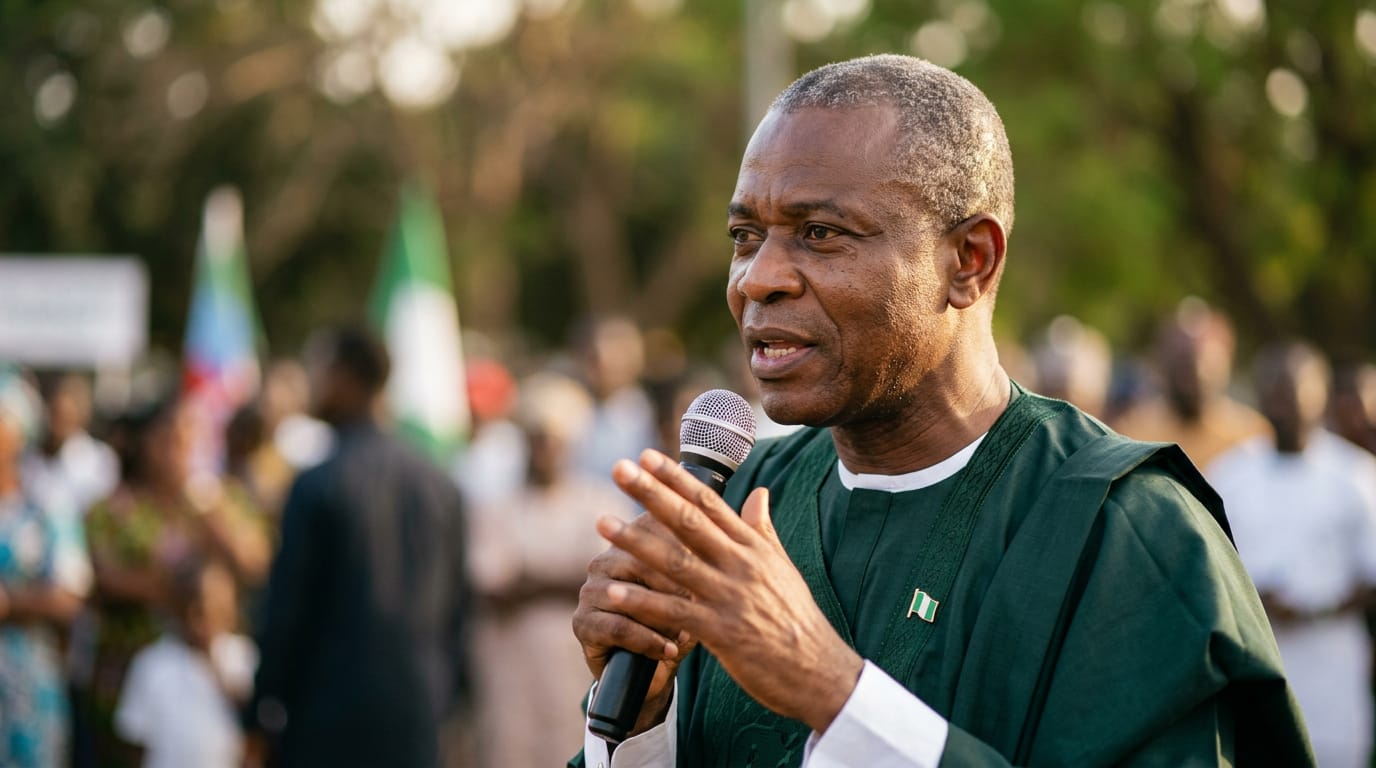
Abuja, Nigeria – The race for Nigeria's presidency officially commenced on August 19, 2026, marking the start of a pivotal campaign season ahead of the January 16, 2027, presidential and National Assembly elections. With 19 presidential candidates cleared by the Independent National Electoral Commission (INEC), the nation is bracing for a fiercely contested election that will unfold against a backdrop of persistent economic hardship, widespread insecurity, and a deep public desire for credible governance. This election is poised to be a critical referendum on the direction of Africa's most populous nation, testing its democratic resilience and the capacity of its institutions to manage a complex electoral process.
A Crowded Field and Shifting Alliances Set the Stage
The 2027 presidential election features a diverse pool of 19 aspirants, including 16 men and three women, ranging in age from 52 to 79. Prominent among them are the figures who dominated the last electoral cycle: incumbent President Bola Tinubu of the All Progressives Congress (APC), seeking re-election; former Vice President Atiku Abubakar, now representing the African Democratic Congress (ADC); and former Anambra State Governor Peter Obi, contesting under the banner of the Nigeria Democratic Congress (NDC). This marks a significant political realignment, with both Atiku and Obi having shifted party allegiances since the 2023 contest, suggesting a dynamic and potentially unpredictable political landscape. Other notable candidates include Senator Sandy Onor of the Peoples Democratic Party (PDP). The sheer number of candidates underscores the ambition and varied ideological persuasions vying for control of the nation's highest office, promising a robust, albeit complex, debate on Nigeria's future.
Economy and Security: Defining the Electoral Battleground
The campaign period officially opened with the nation grappling with profound challenges, most notably the economy and pervasive insecurity. These issues are expected to dominate political discourse and significantly influence voter sentiment. President Tinubu's administration has implemented major economic reforms, including the removal of the fuel subsidy and currency reforms, which, while aimed at long-term stability, have triggered a severe cost-of-living crisis. Inflation rates, which peaked at 34 percent before easing slightly to 15.4 percent in July, coupled with a significant devaluation of the naira, have exacerbated the plight of many Nigerians. Opposition parties are poised to challenge the government on these economic consequences, focusing on the rising cost of living, unemployment, and poverty, while the APC will likely highlight infrastructure development, fiscal reforms, and efforts to attract investment.
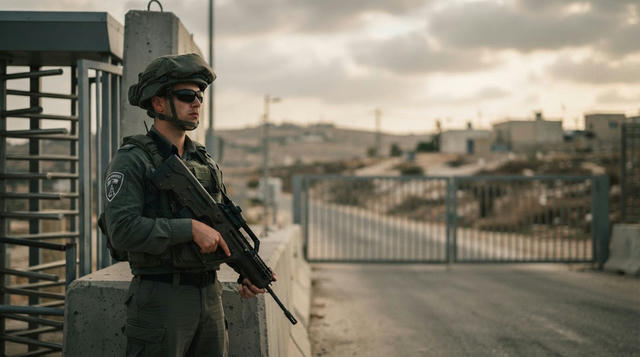
Beyond economic woes, Nigeria continues to confront a multi-dimensional security crisis. Jihadist insurgencies, armed banditry, communal conflicts, and separatist agitations pose a serious threat to stability and could impact voter participation, despite high public interest in the elections. The expansion of armed banditry in the northern and central regions, alongside renewed conflicts in areas affected by jihadist activity, highlights the urgent need for effective security solutions. How each candidate proposes to address these interlocking crises will be a central theme, as the electorate seeks tangible improvements in their daily lives and personal safety.
INEC's Mandate: Ensuring a Credible and Transparent Process
The Independent National Electoral Commission (INEC) is at the heart of ensuring a free, fair, and credible election. The Commission projects over 100 million registered voters for the upcoming elections, an increase from 93 million, making Nigeria the largest electoral democracy in Africa. INEC Chairman Prof. Joash Amupitan has reaffirmed the commission's commitment to delivering transparent, inclusive, and peaceful elections, emphasizing early planning, strategic coordination, and strict adherence to the rule of law. The commission's preparedness includes plans to deploy 1.4 million ad hoc staff across 176,000 polling units.
To build public trust, INEC has outlined five non-negotiable pillars: institutional independence, fairness to all parties, credibility, transparency at all stages, and inclusivity to prevent disenfranchisement. The commission views off-cycle governorship elections in states like Ekiti and Osun, and the Federal Capital Territory (FCT) Area Council elections, as crucial testing grounds for refining voter registry management, election logistics, and the deployment of technology such as the Bimodal Voter Accreditation System (BVAS). However, INEC faces challenges including combating misinformation and disinformation, which pose significant threats to voter confidence. In a proactive move to foster a peaceful electoral environment, presidential candidates, including President Tinubu, Atiku Abubakar, and Peter Obi, participated in a peace accord ceremony, pledging to conduct issue-based campaigns.
Navigating Complexities: Funding, Regulations, and Democratic Integrity
As the campaigns gather momentum, several underlying issues threaten to complicate the electoral process and test Nigeria's democratic principles. The rising cost of political competition, for instance, has become a significant concern. Aspirants are faced with substantial expenditures for nomination forms, mobilization, logistics, media, and campaign activities. This financial barrier raises questions about the inclusivity of the political landscape, potentially limiting the pool of viable candidates to those with substantial resources. Further compounding this, several states have announced exorbitant permit fees, ranging from N20 million to N200 million, for campaign billboards and other outdoor advertising materials. Such fees could disproportionately affect smaller parties and less-funded candidates, undermining the level playing field that is crucial for competitive elections.
Concerns about democratic backsliding, institutional fragility, and political interference also loom large. Analysts point to a trend where the federal government's influence over security agencies and financial flows, coupled with political defections, could lead to a consolidation of power by the ruling party. This could weaken accountability mechanisms and potentially diminish the legitimacy of electoral outcomes if meaningful competition is eroded. The integrity of the voter register, the independence of INEC, the neutrality of security agencies, and the effectiveness of judicial remedies for disputes are all under intense scrutiny. The upcoming election will therefore serve as a critical gauge of Nigeria's commitment to democratic governance and its ability to overcome these entrenched challenges.
The Road Ahead: A Call for Resilience
Nigeria stands at a critical juncture as its political parties and candidates embark on a 151-day campaign journey towards the 2027 general elections. The stakes are undeniably high, with the outcome poised to shape the nation's trajectory for years to come. Beyond the individual ambitions of the candidates, the election represents an opportunity for Nigeria to reinforce its democratic foundations, address pressing national challenges, and ensure that the voices of its diverse populace are heard. The commitment to peace, transparency, and fairness from all stakeholders – political parties, electoral bodies, security agencies, and the judiciary – will be paramount in navigating this complex period and delivering an outcome that strengthens public trust and advances national development.