Nigeria's Multi-Billion Dollar Power Overhaul: A Critical Test for Tinubu's Reforms
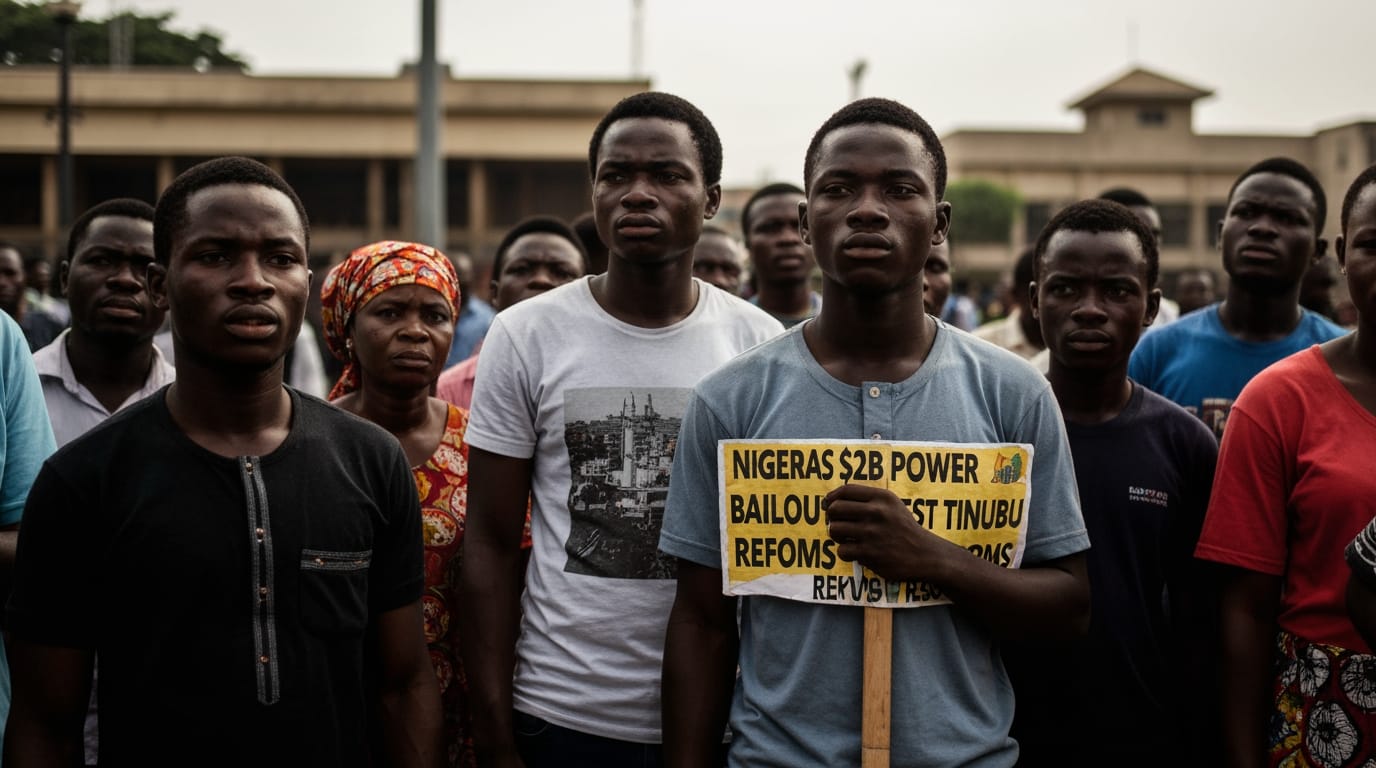
Abuja, Nigeria – In a defining moment for Nigeria's struggling power sector, the administration of President Bola Tinubu has launched a comprehensive intervention, highlighted by a staggering N3.3 trillion (approximately $2 billion USD) payment plan aimed at settling the sector's long-standing debts. This ambitious financial lifeline arrives as the cornerstone of broader reforms designed to rescue a sector plagued by chronic instability, and its success is poised to be a crucial test of the President's commitment to revitalizing Africa's largest economy. The move represents a high-stakes gamble to restore investor confidence, stabilize electricity supply, and ultimately unleash Nigeria's economic potential, but it faces deep-seated challenges and public skepticism rooted in decades of unfulfilled promises.
Decades of Darkness: The Enduring Power Crisis
For generations, reliable electricity has remained an elusive dream for most Nigerians, severely hindering industrial growth and daily life. The nation's power sector has a complex history marked by inefficient state monopolies, underinvestment, and a problematic privatization exercise in 2013 that failed to deliver its promised transformation. Despite an installed generation capacity of approximately 13 gigawatts (GW), the country typically produces and evacuates only about one-third of this potential, hovering around 3,800 megawatts (MW) for a population exceeding 200 million people. This significant shortfall is exacerbated by a dilapidated transmission network capable of handling just over 6,000 MW, frequently undermined by chronic underfunding, vandalism, and neglect.
The consequences are dire. Frequent grid collapses, erratic gas supply to thermal power plants, and massive transmission and distribution losses—with distributors delivering only about 75% of received electricity due to poor infrastructure and theft—contribute to pervasive blackouts across the country. The economic toll is staggering, with Nigeria losing an estimated $29 billion annually, or about 2% of its Gross Domestic Product, due to unreliable power. Businesses, particularly Small and Medium Enterprises (SMEs), face increased operational costs, reduced efficiency, and diminished competitiveness, often relying on expensive, self-generated power. For households, the burden translates into higher living costs as they depend on costly fuel-powered generators to meet basic electricity needs. Furthermore, an estimated 85 million Nigerians still lack access to grid electricity, making Nigeria home to the world's largest energy access deficit.
Tinubu's Bold Stroke: The N3.3 Trillion Debt Settlement
At the heart of the Tinubu administration's power sector strategy is the Presidential Power Sector Financial Reforms Programme, which includes the unprecedented N3.3 trillion payment plan. Approved by President Tinubu, this sum is designated to settle outstanding legacy debts accumulated by the sector between February 2015 and March 2025. These substantial arrears, primarily owed to generation companies (GenCos) for electricity they produced but were never paid for, had crippled the sector's financial ecosystem and deterred much-needed investment. The objective is multi-faceted: to restore confidence among market participants, ensure consistent payments to gas suppliers and power plants, stabilize operations, and foster an environment conducive to new investment.
Implementation of this ambitious plan is already underway, with 15 power plants having signed settlement agreements totaling N2.3 trillion. The Federal Government has initiated funding, raising N501 billion and disbursing N223 billion, with further payments planned. This direct financial intervention is complemented by broader financial support for Nigeria's economic reforms, including a $2.25 billion loan from the World Bank, offering favorable terms with a 40-year duration, a 10-year moratorium, and a 1% interest rate. While separate, these financial injections underscore the government's recognition of the critical need for significant capital to address Nigeria's deep-seated economic and infrastructural challenges, with the power sector being a top priority.
Beyond the Bailout: A Comprehensive Reform Agenda
The N3.3 trillion debt settlement is not a standalone solution but part of a wider, integrated reform agenda spearheaded by the Tinubu administration. These reforms aim to address the systemic issues that have historically undermined the power sector:
One of the most significant legislative changes is the Electricity Act of 2023. This landmark legislation decentralizes the electricity market, moving power from the exclusive legislative list to the concurrent list, thereby empowering individual states to develop, regulate, and control their own electricity networks. This is expected to foster regional solutions and attract localized investment.
Crucially, the administration has pushed for tariff adjustments and a reduction in electricity subsidies. Historically, the government has heavily subsidized electricity prices to keep them affordable, but this practice created market distortions and drained public funds without ensuring adequate supply. The introduction of service-based tariffs (SBTs) aims to link the cost of electricity to the quality of service received, moving towards cost-reflective tariffs. The removal of subsidies for the top 15% of electricity consumers has already led to a 35% reduction in overall electricity subsidies, generating an additional N700 billion in revenue and significantly reducing the government's tariff shortfall from N3 trillion to N1.9 trillion. While this move eases the fiscal burden on the government, it places an increased financial load on consumers, prompting concerns about affordability.
To address a major source of consumer distrust and revenue loss, the Presidential Metering Initiative aims to roll out five million new smart meters by 2027, backed by N700 billion in committed financing. This initiative seeks to curb estimated billing, which has long been a point of contention between consumers and distribution companies, thereby improving revenue collection and fostering transparency. Furthermore, the government is prioritizing investment in transmission infrastructure, with several substations under construction and the planned establishment of a Grid Assets Management Company to professionalize grid management and address stranded capacity. Efforts are also underway to streamline bureaucratic processes and align reforms with existing energy policies through the creation of a Presidential Energy Office.
High Stakes and Public Scrutiny
The success of these reforms, particularly the N3.3 trillion debt settlement, carries immense implications for Nigeria. If effectively implemented, it could stabilize the long-troubled power sector, significantly improve electricity supply, and attract substantial local and foreign investment. A reliable power supply is foundational for economic diversification, job creation, and improved living standards, making this intervention a potential catalyst for broader national development. The administration projects that supporting power plants will lead to more stable generation, improved reliability, and ultimately more jobs and better service.
However, the path is fraught with challenges and considerable public skepticism. Past failures of privatization and reform efforts have left many Nigerians wary of new promises. The immediate impact of tariff increases and subsidy removals, while fiscally prudent, can lead to higher operational costs for businesses and increased financial strain on households, potentially sparking public backlash and protests. Balancing affordability with the need for cost-reflective tariffs is a delicate act. Critics also point to the persistent issues of vandalism, energy theft, and the need for greater transparency and accountability across the entire power value chain as crucial determinants of success. The long-term effectiveness hinges not just on financial injections but on a sustained commitment to addressing structural problems, enforcing contracts, and combating corruption that has historically plagued the sector.
A Pivotal Juncture for Nigeria's Future
Nigeria stands at a pivotal juncture in its quest for a stable and efficient power sector. The N3.3 trillion payment plan, while a substantial and necessary intervention to clear legacy debts, represents merely the beginning of a complex and arduous journey. It is a critical component of President Tinubu's broader economic reform agenda, signaling a determined effort to tackle one of the nation's most persistent obstacles to development. The coming years will serve as a definitive test of the government's political will to see these reforms through, ensuring transparency in implementation, upholding regulatory frameworks, and fostering an environment where market mechanisms can genuinely thrive. Only through sustained commitment, effective governance, and a relentless focus on addressing deep-seated systemic issues can Nigeria hope to finally shed its decades of darkness and power its path toward economic prosperity and improved quality of life for its citizens.


