Nigeria's Textile Industry: From Boom to Bust Under the Weight of Chinese Imports
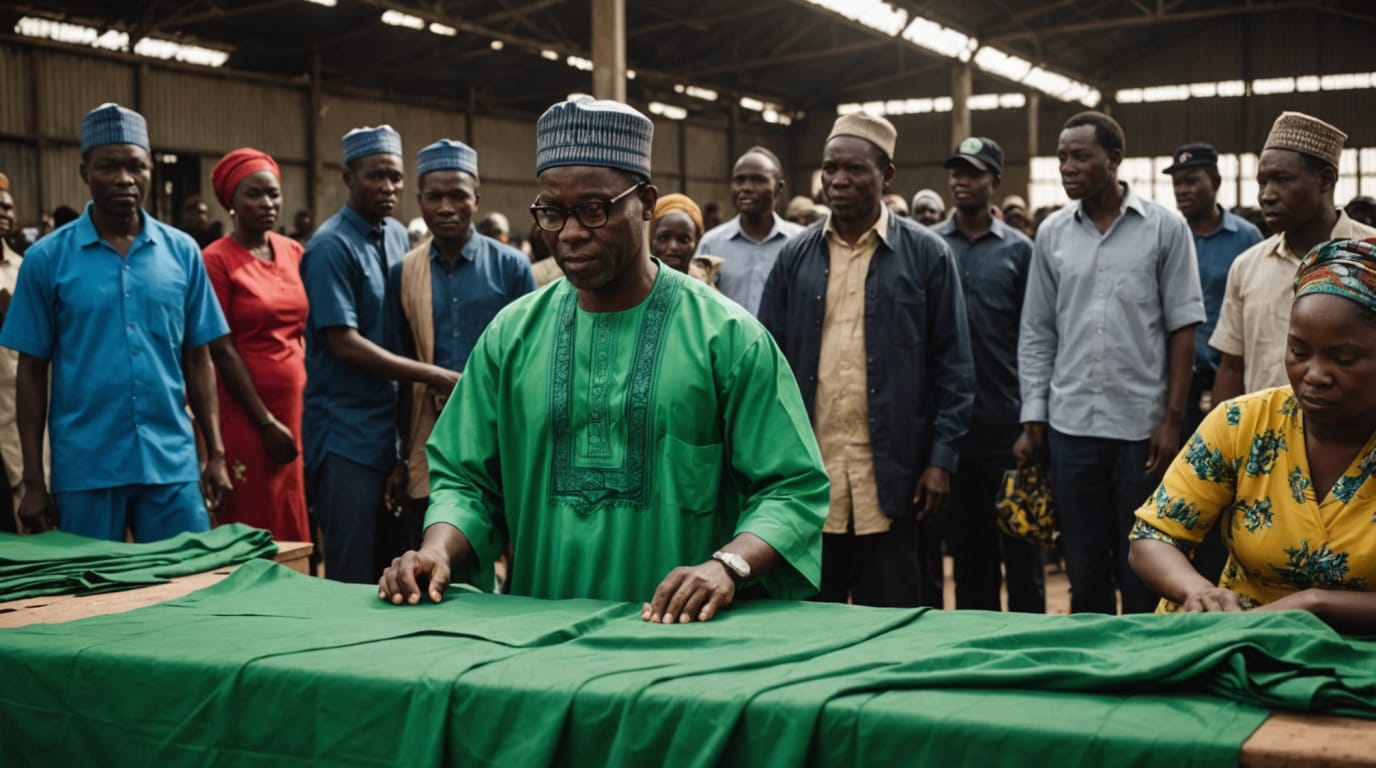
Nigeria's once-thriving textile industry, a symbol of post-independence industrialization and a major employer, has suffered a dramatic decline in recent decades, largely due to the influx of cheaper Chinese imports. This transformation has had profound economic and social consequences, impacting local manufacturers, cotton farmers, and the nation's overall economy.
A History of Growth and Promise
The Nigerian textile industry's modern era began in 1957 with the establishment of the Kaduna Textile Industry by Alhaji Sir Ahmadu Bello, then Premier of Northern Nigeria. Inspired by a visit to Egypt, Bello envisioned the textile sector as a catalyst for economic development. By the 1970s and 1980s, the industry had become the largest employer of labor in the country, second only to the federal government, with approximately 167 mills providing 500,000 direct jobs. Millions more were employed in the supply chain as farmers, gin processors, and distributors. Nigeria produced textiles not only for domestic consumption but also for regional export throughout West Africa, accounting for 50% of the region's textile production and becoming the second-largest producer in Africa. Kaduna emerged as the textile capital, and the industry contributed significantly to Nigeria's Gross Domestic Product (GDP).
The Tide Turns: The Rise of Chinese Imports
The late 20th and early 21st centuries witnessed a significant shift in the global textile market, with China emerging as a dominant force. This rise coincided with a decline in Nigeria's textile industry. Several factors contributed to this reversal of fortune. Trade liberalization policies, advocated by international free trade agreements, led to an influx of cheaper Chinese textiles into the Nigerian market. These imports, often priced significantly lower than locally produced fabrics, gained popularity among consumers. According to research, over 80% of textiles in the Nigerian market are now imported from China.
Hamma Kwajaffa, the director general of the Nigerian Textile Manufacturers' Association, has directly blamed the decline on Chinese imports, some of which are smuggled into the country. He stated that Chinese manufacturers replicate Nigerian designs, such as Ankara wax prints, and sell them at drastically lower prices, undercutting local producers. For example, five yards of Chinese-made fabric might sell for 1,000 naira, while Nigerian factories cannot produce the same product for less than 3,000 naira.
Factors Exacerbating the Decline
Beyond the competition from Chinese imports, several internal factors have further weakened the Nigerian textile industry. These include:
- Infrastructure Deficits: Nigeria's inadequate infrastructure, particularly the unreliable power supply, increases production costs for local manufacturers. The lack of consistent electricity makes it difficult for textile mills to operate efficiently and compete with foreign producers.
- Smuggling and Porous Borders: Nigeria's porous borders facilitate the smuggling of textiles, evading tariffs and further undercutting local manufacturers. Smugglers often counterfeit local products, selling them at cheaper prices and deceiving consumers into thinking local products are inferior.
- Inconsistent Government Policies: Inconsistent government policies on tariffs and trade have created uncertainty and hindered long-term investment in the textile sector.
- High Cost of Funding: High interest rates and limited access to credit make it difficult for local textile companies to secure the financing needed to upgrade their equipment and expand their operations.
- Neglect of Local Suppliers: As Nigerian textile companies became profitable, they increasingly relied on foreign suppliers for raw materials and equipment, neglecting local cotton farmers and equipment manufacturers. This weakened the domestic supply chain and made the industry more vulnerable to external shocks.
- Counterfeiting: Outright counterfeiting of Nigerian textile fabrics, particularly the popular Adire, has become rampant. These counterfeit products, often produced in China, are smuggled back into Nigeria and sold at prices that local manufacturers cannot match.
The Economic and Social Impact
The decline of the textile industry has had significant economic and social consequences for Nigeria. The sector's contribution to GDP has steadily declined, and thousands of jobs have been lost. The closure of textile mills has led to unemployment, poverty, and a decline in the quality of life for many Nigerians, especially in textile-producing regions like Kaduna. The reduced demand for locally grown cotton has also negatively impacted cotton farmers, leading to vast areas of uncultivated land and financial struggles.
Revival Efforts and Future Prospects
Recognizing the importance of the textile industry, the Nigerian government has implemented various initiatives to revive the sector. These include:
- Financial Support: The Central Bank of Nigeria (CBN) has launched intervention programs, including financial support, training initiatives, and foreign exchange restrictions on textile imports. The Bank of Industry (BoI) has also provided loans to textile industries to retool, upgrade, and purchase equipment.
- Executive Order 003: This order mandates government agencies to prioritize locally made products, including textiles, in their procurement processes.
- Partnerships and Investments: The government has partnered with development partners and the private sector to attract investments in the textile industry. Recently, approximately $3.5 billion in investments were secured to rejuvenate the sector.
- Collaboration with ICAC: The Federal Government is collaborating with the International Cotton Advisory Committee (ICAC) to resuscitate the cotton industry, with the goal of creating over 1.4 million jobs annually in the cotton/textile sector.
Despite these efforts, the textile industry continues to face significant challenges. Stakeholders emphasize the need for a comprehensive and sustained intervention that addresses the root causes of the decline, including infrastructure deficits, smuggling, and inconsistent government policies. Some suggest enforcing Executive Order 003 to promote local production and consumption.
The revival of Nigeria's textile industry is crucial for economic growth, job creation, and the preservation of the nation's cultural heritage. By addressing the challenges and implementing effective policies, Nigeria can reclaim its position as a major textile producer and create a more sustainable and prosperous future for its citizens.


