Nightclub Inferno in Bangkok Claims Dozens, Renews Calls for Safety Reforms
BANGKOK, Thailand – A devastating fire ripped through a popular nightclub in Bangkok's Chatuchak District in the early hours of Monday, July 12, 2026, claiming the lives of at least 27 people and sending dozens more to hospitals. The tragedy at the Na Ladprao pub has cast a somber pall over the Thai capital and reignited urgent concerns about fire safety standards in entertainment venues across the country. As investigators work to determine the exact cause of the inferno, the incident serves as a grim reminder of similar disasters that have plagued Thailand's nightlife over the past two decades.
A Night of Celebration Turns to Catastrophe
The alarm was raised around midnight on Sunday, July 12, when a massive fire engulfed the Rong Beer Na Lat Phrao, also known as Na Ladprao pub, a popular establishment in northern Bangkok. Eyewitness accounts suggest the blaze escalated with terrifying speed. A musician performing at the venue reportedly observed smoke emanating from a circuit breaker near the stage just before the power supply failed. This was quickly followed by an explosion and the rapid onset of thick, choking smoke that filled the club, plunging revelers into a chaotic scramble for survival.
Footage circulated online showed desperate patrons fleeing the burning building, some with their clothes ablaze, as dense black smoke billowed from the entrance. Firefighters arrived swiftly, taking approximately 30 minutes to bring the raging flames under control. However, by then, the damage was catastrophic. Rescuers discovered many of the deceased tragically trapped in the restrooms at the rear of the pub, underscoring the challenges of evacuation in the fast-moving inferno. Prime Minister Anutin Charnvirakul visited the scene, confirming the initial death toll of 27 and noting that several injured individuals had been transported to local hospitals.
Unraveling the Cause: Investigation Underway
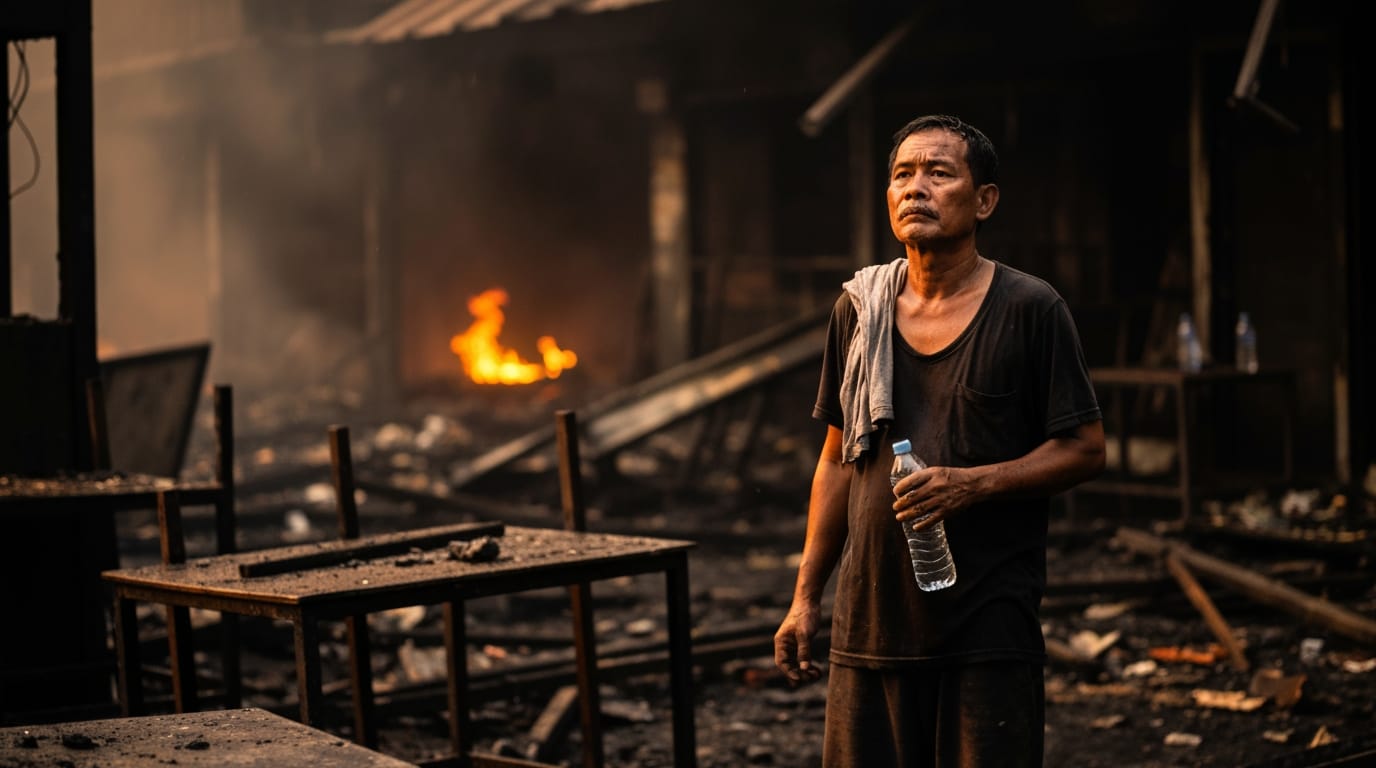
The immediate aftermath saw rescue workers sifting through the charred remains of the pub, with images revealing a scene of widespread destruction – incinerated tables, chairs, and a gutted interior. While the cause of the fire remains under official investigation, early indications point towards an electrical fault near the stage as a potential ignition source. The rapid spread of the fire and the high number of casualties raise critical questions about the venue's fire safety protocols, emergency exits, and the materials used in its construction. Authorities are meticulously examining the structural integrity of the building and scrutinizing compliance with safety regulations.
The tragic incident has prompted a widespread official response, with Prime Minister Anutin emphasizing the gravity of the situation and the need for a thorough inquiry. The investigation will likely delve into the club's operational permits, recent inspections, and whether it adhered to all necessary fire safety codes. The challenge of identifying all victims, many of whom sustained severe burns, is a painstaking process, adding to the immense grief experienced by families.
A Troubling Echo of Past Tragedies
This latest calamity in Bangkok echoes a disturbing pattern of deadly nightclub fires in Thailand, exposing persistent vulnerabilities in public safety. The most infamous of these occurred on January 1, 2009, when the Santika Club in Bangkok's Ekkamai district erupted in flames during New Year's Eve celebrations, killing 66 to 67 people and injuring over 200. That disaster was largely attributed to indoor fireworks igniting highly flammable acoustic foam and other combustible materials in the ceiling, exacerbated by a severe lack of adequate emergency exits. Investigations revealed the Santika Club was registered as a restaurant, allowing it to circumvent stricter fire safety inspections applicable to nightclubs. The club's owner was subsequently jailed, and the Bangkok Metropolitan Administration was ordered to pay compensation due to negligence.
More recently, in August 2022, the Mountain B pub fire in Chonburi Province, southeast of Bangkok, claimed 26 lives. Similar to the Santika Club, reports indicated that flammable acoustic foam contributed to the rapid spread of the blaze, and the venue reportedly had only a single entrance and exit for customers, with other exits locked. The owner of Mountain B was also investigated for operating the venue as a nightclub without the necessary permits. These previous incidents highlighted critical lapses in regulatory oversight and enforcement, resulting in preventable losses of life.
The Human Cost and the Call for Urgent Reform
The Na Ladprao pub fire has once again brought the human element of such disasters to the forefront. Each fatality represents a life cut short, a family shattered, and a community in mourning. The sheer panic and chaos described by survivors, and the tragic discovery of victims huddled in restrooms, speak volumes about the desperate struggle for survival when fire erupts in an enclosed, crowded space. The age of the victims, often young adults enjoying a night out, adds another layer of poignancy to the tragedy.
The recurring nature of these deadly fires underscores an urgent need for comprehensive and enforced safety reforms across Thailand's entertainment sector. Despite previous pledges for stricter regulations following earlier disasters, safety loopholes, inadequate building codes, and lax enforcement continue to put lives at risk. Experts and concerned citizens are once again calling for immediate action, including mandatory regular safety inspections, stringent adherence to international fire safety standards, clear and accessible emergency exits, the use of fire-retardant materials, and proper training for venue staff.
Conclusion
The Bangkok nightclub fire is a heartbreaking incident that serves as a stark reminder of the devastating consequences when safety measures are compromised. While the investigation into the Na Ladprao pub blaze progresses, the parallels to past tragedies are undeniable and deeply troubling. To prevent such loss of life from recurring, Thai authorities must move beyond reactive measures and implement robust, proactive reforms that prioritize the safety of patrons in all public venues. Only through a concerted effort of stringent regulation, unwavering enforcement, and a culture of safety can the nation hope to break this cycle of preventable devastation and ensure that a night out does not turn into a final farewell for its citizens and visitors.


