"No Kings" Protests Sweep Nation as Millions Rally Against Trump Administration
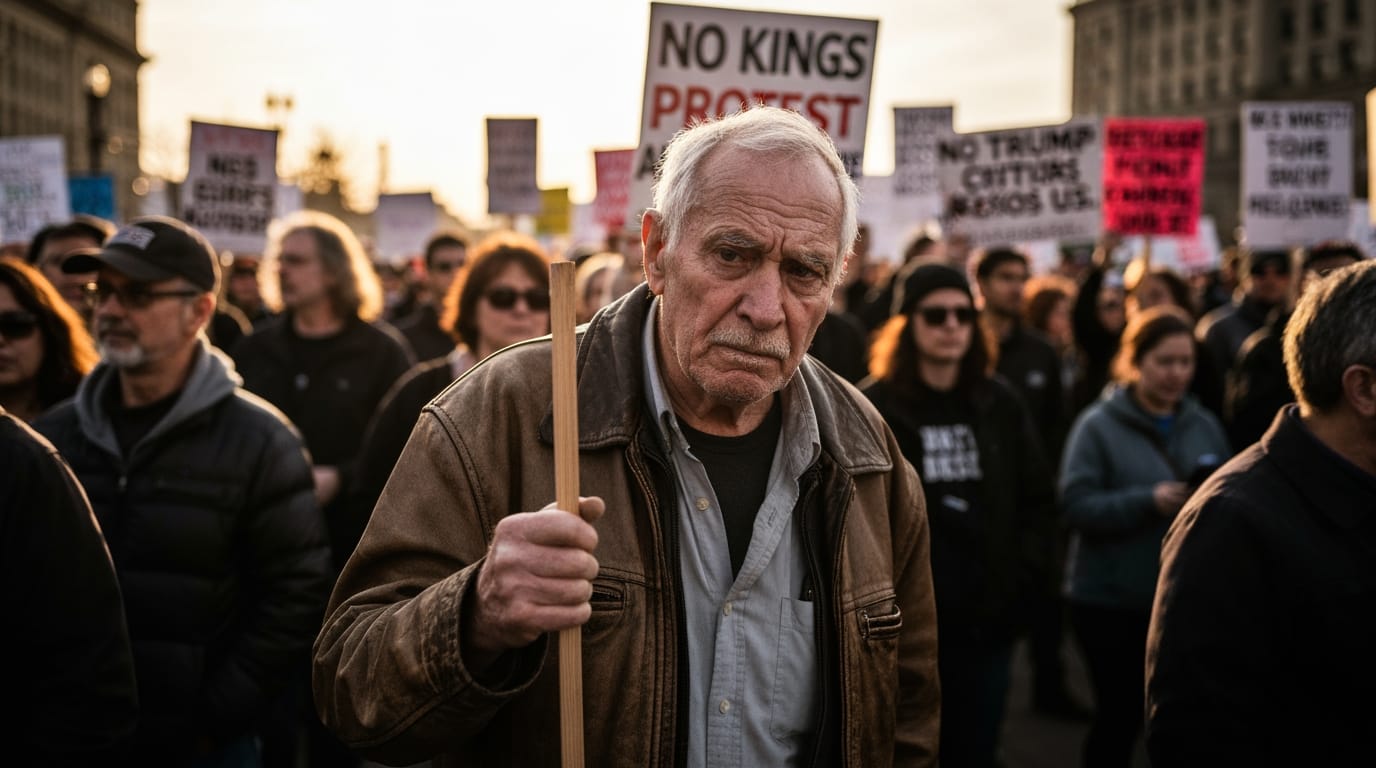
Millions of Americans have taken to the streets today, March 28, 2026, in what organizers anticipate could be one of the largest single-day demonstrations in U.S. history. Under the banner of the "No Kings" movement, protesters in over 3,100 locations across all 50 states are voicing staunch opposition to what they describe as authoritarian policies and corruption within President Donald Trump's administration. The nationwide rallies mark the third major coordinated action by critics of the president, building on previous mobilizations that drew unprecedented numbers in 2025.
The Genesis of a Movement: Challenging Perceived Autocracy
The "No Kings" movement first emerged on June 14, 2025, coinciding deliberately with President Trump's 79th birthday and the U.S. Army's 250th Anniversary Parade. Dubbed "No Kings Day," this initial wave of protests was conceived by organizers as a direct rebuke to what they perceived as the president's "authoritarian policies" and "corrupt administration." The core message, encapsulated in the movement's name and its crossed-out crown logo, asserted that "In America, we don't have kings." This sentiment resonated with an estimated 4 to 6 million participants who gathered in more than 2,100 cities and towns nationwide during the first round of demonstrations. The movement's origins were rooted in concerns over alleged "fascist tendencies" and "democratic backsliding" observed during the president's second term.
Escalating Grievances Fuel Growing Ranks
The momentum of the "No Kings" movement significantly amplified following its inaugural events. A second wave of protests on October 18, 2025, saw an even larger turnout, with nearly 7 million attendees participating in approximately 2,700 locations across the country. This surge in participation reflected a broadening array of grievances against the administration. Critics pointed to aggressive Immigration and Customs Enforcement (ICE) crackdowns, large-scale mass deportation programs, and what they characterized as the "unprecedented use of presidential power."
Human interest elements also galvanized public outrage, notably the killings of Renee Good and Alex Pretti by federal agents during immigration enforcement actions in Minnesota. These incidents transformed Minnesota into a focal point of resistance, with St. Paul designated as the flagship location for today's protests. Beyond domestic policies, the administration's involvement in the war in Iran, known as Operation Epic Fury, became a significant point of contention. Protesters highlighted the billions of taxpayer dollars spent on missile strikes abroad while simultaneously lamenting rising costs of living, high gas and food prices, and perceived "massive giveaways to billionaire allies." The government's rollback of transgender rights further fueled public discontent, solidifying a diverse platform of opposition.
A Nationwide Network and Diverse Participation
The "No Kings" movement distinguishes itself by its extensive reach and broad appeal, extending far beyond traditional urban centers. Organizers for today's events reported an impressive 3,100 to 3,500 planned rallies in all 50 states, with particular growth noted in "rural and deep-red states" like Idaho, Wyoming, Montana, Utah, South Dakota, and Louisiana, alongside competitive suburban areas in Pennsylvania, Georgia, and Arizona. This geographically diverse participation underscores a widespread sentiment of displeasure, even in areas historically less prone to large-scale anti-administration protests.
The movement is a decentralized effort, primarily spearheaded by the 50501 movement and Indivisible. It operates through a coalition of over 200 progressive and nonpartisan organizations, including MoveOn, the Third Act Movement, the American Federation of Teachers, Social Security Works, the Communications Workers of America (CWA), the American Civil Liberties Union (ACLU), and Public Citizen. The ACLU, in particular, has played a role in facilitating the protests, including providing virtual safety trainings for participants.
Beyond U.S. borders, the "No Kings" message has resonated internationally. International chapters of Indivisible and Democrats Abroad have organized "No Tyrants" solidarity events, and protests have been reported in at least 15 other nations, including major cities like Rome, Paris, Madrid, Amsterdam, Sydney, and Tokyo. This global response reflects international concerns about the Trump administration's policies and potential broader implications.
The Core Message and Official Reactions
At the heart of the "No Kings" movement is a powerful, unifying message: a rejection of authoritarianism and a defense of democratic principles. Signs and chants throughout the protests echo this sentiment, with slogans such as "We the People Serve No King," "Put down the crown, clown," and "Regime change begins at home." The visual symbol of inflatable frog costumes became a notable feature in the October 2025 rallies, serving as a unique symbol of resistance.
Official reactions to the movement have been varied. President Trump has publicly dismissed the protests, stating in June 2025, "I don't feel like a king," and threatening a "very big force" against those who might protest the D.C. military parade. Republicans have largely echoed this sentiment, characterizing the demonstrations as "ineffective and out of touch" and a "joke." Organizers of the initial June 2025 protest strategically avoided holding an official D.C. rally, aiming "to keep the focus on contrast, and not give the Trump administration an opportunity to stoke and then put the focus on conflict." However, today's protests in Washington, D.C., included a specific march targeting the residence of White House deputy chief of staff for policy, Stephen Miller.
In contrast to official dismissals, the movement has garnered support from various political figures and public personalities. U.S. Senator Bernie Sanders, Minnesota Governor Tim Walz, and Representative Ilhan Omar are among those expected to speak at today's flagship rally in St. Paul. Renowned musicians, including Bruce Springsteen, Joan Baez, Maggie Rogers, and actress Jane Fonda, are also slated to perform, adding a significant cultural dimension to the movement. The Minnesota National Guard has notably supported the protests in their state.
A Continuing Expression of Dissent
Today's "No Kings" rallies represent a significant chapter in ongoing public dissent against the Trump administration. With organizers predicting millions of participants, these protests stand as a powerful, collective expression of concern over domestic policies, international engagements, and the fundamental principles of American democracy. The sustained, large-scale nature of these demonstrations, evolving from initial concerns to encompassing a wide range of grievances, highlights a persistent and organized effort by a substantial segment of the American populace to voice their opposition. As the political landscape continues to unfold, the "No Kings" movement's impact on public discourse and future electoral dynamics remains a critical area of observation.


