Nobel Laureate Mario Vargas Llosa Dies at 89
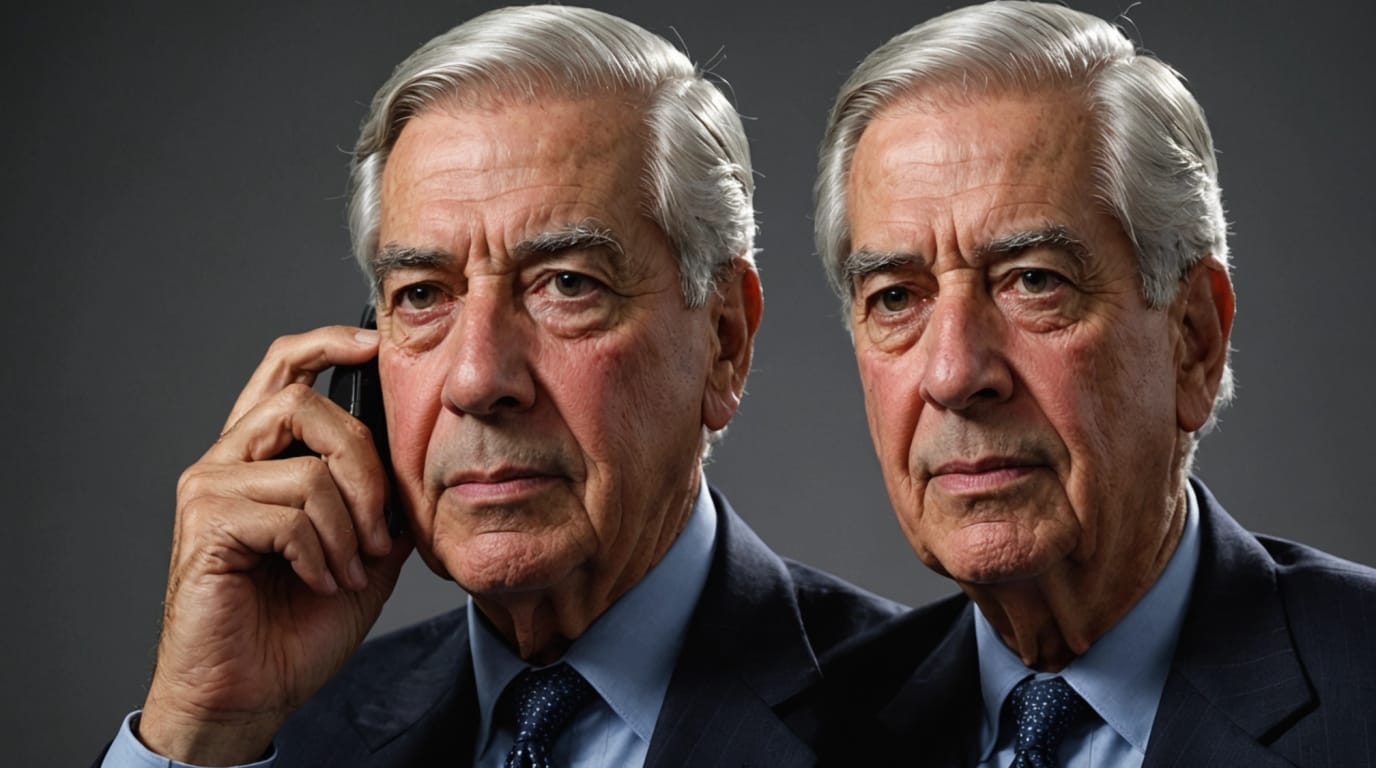
Mario Vargas Llosa, the Peruvian novelist, essayist, journalist, and politician, has died at the age of 89 in Lima, Peru. His death was announced by his children on social media, marking the end of a prolific career that cemented him as one of the most significant voices in Latin American literature and a Nobel Prize laureate.
Vargas Llosa rose to international prominence in the 1960s during the Latin American Boom, a literary movement that brought global attention to Latin American writers. His works, translated into over 45 languages, explored themes of power, social injustice, and individual resistance, often set against the backdrop of Peruvian society and politics. He received the Nobel Prize in Literature in 2010 "for his cartography of structures of power and his trenchant images of the individual's resistance, revolt, and defeat."
Literary Legacy
Vargas Llosa's literary output spans numerous genres, including novels, plays, essays, literary criticism, and journalistic pieces. His most celebrated novels include:
- The Time of the Hero (La ciudad y los perros): Published in 1963, this novel, set in a military academy in Lima, critiques the dehumanizing aspects of military life and explores themes of violence, masculinity, and corruption.
- The Green House (La casa verde): Published in 1965, this novel explores the impact of a brothel on a small Peruvian town, examining themes of morality, corruption, and the clash between civilization and the wild. Some critics consider this his finest work.
- Conversation in the Cathedral (Conversación en La Catedral): Published in 1969, this monumental novel delves into the political and social landscape of Peru under the dictatorship of Manuel A. Odría, exploring themes of power, corruption, and disillusionment.
- The War of the End of the World (La guerra del fin del mundo): Published in 1981, this historical novel recounts the 19th-century political conflicts in Brazil, examining themes of religious fanaticism, political upheaval, and the clash between civilization and barbarism.
- The Feast of the Goat (La fiesta del chivo): Published in 2000, this political thriller vividly recreates the Dominican Republic during the final days of General Rafael Trujillo's regime, exploring themes of political tyranny, violence, and the abuse of power.
- Aunt Julia and the Scriptwriter (La tía Julia y el escribidor): Published in 1977, this semi-autobiographical novel tells the story of a young aspiring writer who falls in love with his aunt.
His final novel, I Give You My Silence, was published in 2023, marking his farewell to fiction.
Political Involvement
Beyond his literary achievements, Vargas Llosa was a prominent political figure. Initially embracing leftist ideologies, he later shifted towards liberalism, becoming a vocal advocate for democracy and free markets.
In 1990, he ran for president of Peru, leading the center-right Democratic Front coalition. Despite being initially favored, he lost the election to Alberto Fujimori. His experience in the presidential campaign is recounted in his memoir, A Fish in the Water.
Following his defeat, Vargas Llosa remained politically active, advocating for right-wing activists and candidates internationally. His political views often sparked controversy, particularly among admirers of his novels who disagreed with his conservative stance.
Personal Life
Born in Arequipa, Peru, on March 28, 1936, Jorge Mario Pedro Vargas Llosa experienced a childhood marked by family turmoil. His parents separated shortly before his birth, and he spent his early years with his mother and maternal grandparents in Bolivia.
Vargas Llosa was married three times. His first marriage was to Julia Urquidi, his maternal uncle's sister-in-law, in 1955. This relationship, which began when he was 19 and she was 10 years older, served as inspiration for his novel Aunt Julia and the Scriptwriter. They divorced in 1964. He then married his first cousin, Patricia Llosa, in 1965, separating in 2015. From 2015 to 2022, Vargas Llosa was in a relationship with Isabel Preysler, a Filipina-Spanish socialite. He had three children, including Álvaro Vargas Llosa, a writer and political commentator.
In addition to his Peruvian citizenship, Vargas Llosa also held Spanish citizenship, granted in 1993. In 2021, he was elected to the Académie française, further solidifying his status as a global literary icon.
Awards and Recognition
Vargas Llosa's contributions to literature have been recognized with numerous prestigious awards, including:
- Rómulo Gallegos Prize (1967)
- Prince of Asturias Award (1986)
- Miguel de Cervantes Prize (1994)
- Jerusalem Prize (1995)
- Nobel Prize in Literature (2010)
- Carlos Fuentes International Prize (2012)
- Pablo Neruda Order of Artistic and Cultural Merit (2018)
In 2011, he was raised into the Spanish nobility by King Juan Carlos I with the hereditary title of Marqués de Vargas Llosa.
A Lasting Impact
Mario Vargas Llosa's death marks the end of an era in Latin American literature. His novels, essays, and political engagement have left an indelible mark on the world, inspiring readers and writers alike. His exploration of power, social injustice, and the human condition will continue to resonate for generations to come. His family has requested privacy as they mourn his passing, with plans for cremation according to his wishes and no public ceremony.


