Nobel Peace Laureate Narges Mohammadi Rearrested in Iran Amid Widening Crackdown
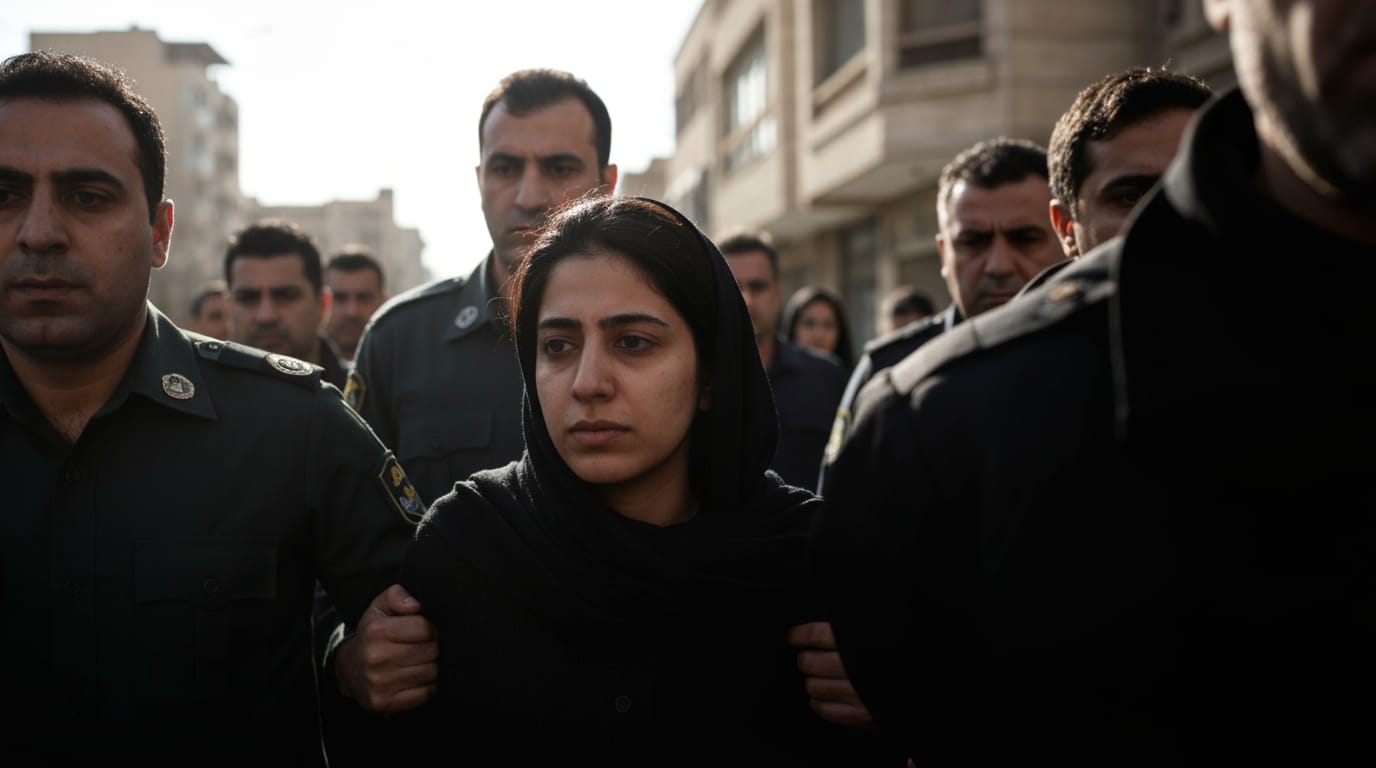
Mashhad, Iran – Nobel Peace Prize laureate Narges Mohammadi was arrested by Iranian security forces on Friday, December 12, 2025, during a memorial ceremony in the northeastern city of Mashhad, according to her foundation and supporters. The detention marks a critical escalation in the Iranian government's ongoing suppression of dissent, particularly against prominent human rights advocates. Mohammadi, 53, who received the Nobel Peace Prize in 2023 for her unwavering fight against the oppression of women and her efforts to promote human rights and freedom in Iran, had been on medical furlough from Tehran's Evin Prison since December 2024.
The Arrest at a Somber Gathering
Mohammadi's arrest occurred at the seventh-day mourning ceremony for Khosrow Alikordi, a notable human rights lawyer whose recent death has stirred public anger and disputed circumstances. Her foundation reported that security and police officers carried out the arrest at the event. Activists Sepideh Gholian, Hasti Amiri, Pouran Nazemi, and Alieh Motalebzadeh were also among those detained at the gathering, signaling a broader sweep against civil society figures. Mohammadi's Paris-based husband, Taghi Rahmani, confirmed her arrest on social media. Her supporters had voiced concerns for months that she was at risk of being returned to prison, a prospect Mohammadi herself had addressed, stating that any re-arrest would constitute an act of civil disobedience. She had been serving a combined sentence of 13 years and nine months on national security charges, a testament to her persistent challenge to the Iranian establishment.
A Relentless Voice for Freedom
Narges Mohammadi's life has been defined by her steadfast commitment to human rights in Iran, frequently at immense personal cost. Her activism began in the 1990s, campaigning for equality and women's rights, and she later became heavily involved with the Defenders of Human Rights Center, founded by Nobel Peace Prize laureate Shirin Ebadi. Over two decades, Mohammadi has been repeatedly arrested, convicted, and imprisoned by Iranian authorities, facing a total of 13 arrests, five convictions, and sentences amounting to 31 years in prison and 154 lashes.
Her advocacy has focused on critical issues such as the abolition of the death penalty, challenging the compulsory hijab, and exposing the systematic use of torture and sexualized violence against political prisoners, particularly women, within Iran's penal system. From within prison walls, she has continued to organize solidarity actions among inmates and ensure that the voice of protest does not fade. The Nobel Committee, in awarding her the 2023 Peace Prize, recognized her "fight against the oppression of women in Iran and her fight to promote human rights and freedom for all," highlighting her as a beacon of hope and a leader of a significant movement. This latest arrest underscores the severe risks faced by those who dare to speak out against the state, even those with significant international recognition.
Iran's Intensified Clampdown on Dissent
Mohammadi's re-arrest occurs against a backdrop of what human rights organizations describe as a rapidly escalating campaign of repression across Iran. Rights groups report a widening crackdown, particularly since the 2022-2023 protests triggered by the death of Mahsa Amini in morality police custody. The Iranian authorities have intensified pressure on civil society, with activists, lawyers, and journalists frequently detained, prosecuted, and imprisoned.
Reports indicate that authorities have severely restricted freedoms of assembly and expression, targeting outspoken family members of those killed or executed during recent protests. Human Rights Watch noted in its 2025 World Report that Iranian authorities continued brutal, targeted repression, particularly against human rights defenders, women, and ethnic and religious minorities. Amnesty International further highlighted that arbitrary detentions, torture, and denial of medical care for prisoners remain widespread. The systematic denial of medical care to political prisoners has been a long-standing practice, with critics arguing it is politically motivated. This repressive environment has also seen an increase in severe punishments for violating mandatory dress laws and a heightened crackdown on religious minorities. Mohammadi herself has accused Iranian authorities of intensifying pressure on civil society, noting that repression of activists, journalists, and critics has deepened, especially following the June ceasefire with Israel.
Global Implications and Unwavering Spirit
The re-arrest of a Nobel Peace laureate sends a stark message regarding Iran's determination to silence internal criticism, regardless of international condemnation. While there has been no immediate official comment from the Iranian government regarding Mohammadi's detention, her supporters and international human rights advocates are expected to react forcefully. The timing of the arrest, during a memorial for a deceased human rights lawyer, further highlights the authorities' willingness to crack down on any gathering perceived as a platform for dissent.
Narges Mohammadi's defiance, even after numerous imprisonments and severe sentences, embodies the resilience of Iran's human rights movement. Her courage has inspired countless individuals both within Iran and globally, demonstrating that the pursuit of justice and freedom can persist even under the most oppressive conditions. Her re-arrest will undoubtedly reignite calls for her unconditional release and intensify scrutiny on Iran's human rights record, pushing the international community to re-evaluate its approach to a nation where fundamental freedoms remain severely curtailed. Her unwavering spirit continues to serve as a powerful symbol in the ongoing struggle for human rights and dignity in Iran.


