Norbert Cyffer, Linguist Who Bridged Europe and Nigeria, Dies at 81
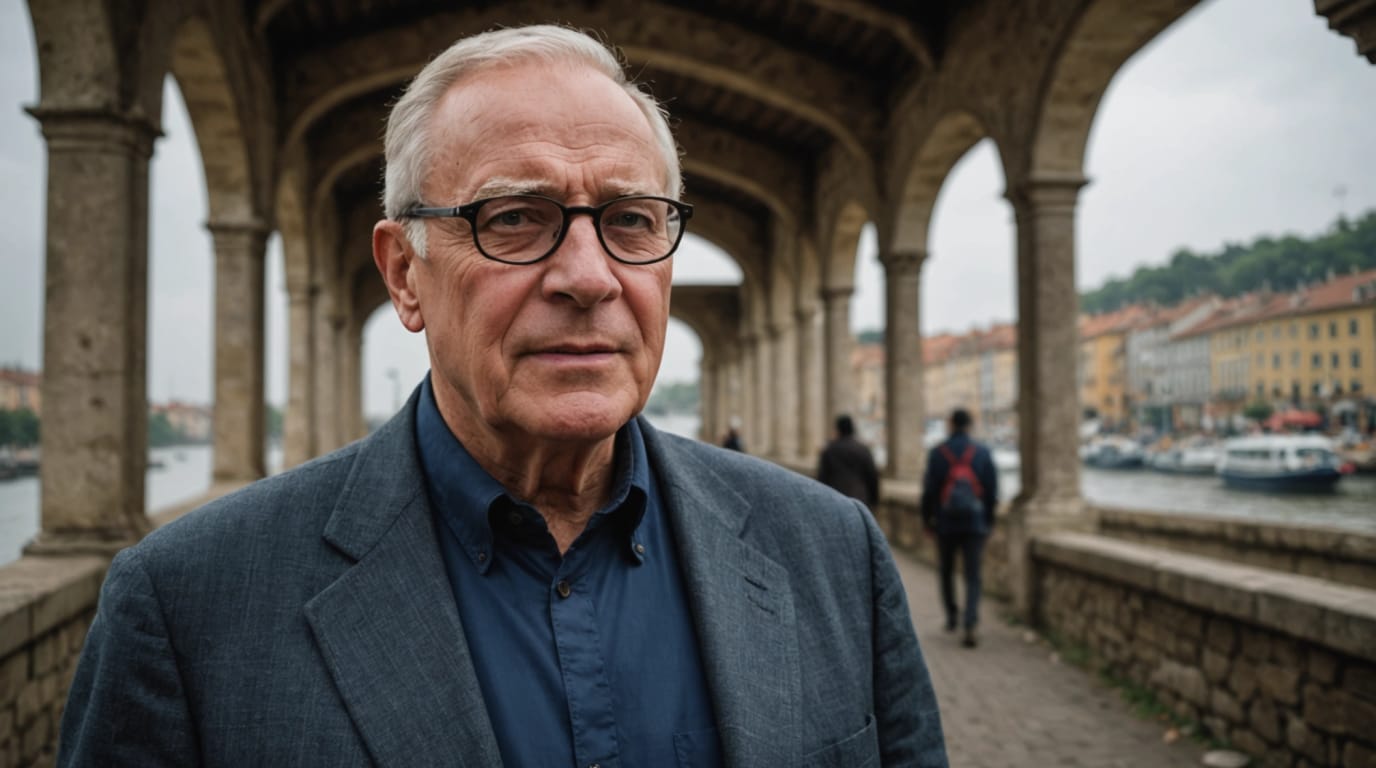
Norbert Cyffer, a distinguished German-Austrian linguist renowned for his extensive work on African languages, particularly those of the Sahel region, died March 12, 2025, at the age of 81. His research, teaching, and dedication to the languages of Nigeria, especially Kanuri, established him as a pivotal figure in African linguistics, fostering collaboration between European and African academic communities.
Cyffer's career was marked by a deep engagement with the languages and cultures of Nigeria. His work extended beyond academic circles, impacting language planning and education in the region. He leaves behind a legacy of research, publications, and a network of scholars inspired by his commitment to African linguistics.
Early Life and Education
Born in Dortmund, Germany, on May 16, 1943, Norbert Cyffer pursued his higher education at the University of Hamburg from 1965 to 1973. His studies focused on African studies, general linguistics, and ethnology, laying the groundwork for his future specialization. Crucially, he undertook two field trips to northeastern Nigeria, spending two years gathering data for his doctoral dissertation. This immersive experience provided him with invaluable insights into the Kanuri language and culture, shaping his research trajectory for decades to come. In 1974, he earned his doctorate with a dissertation focusing on Kanuri syntax, a significant early contribution to the field.
Academic Career in Nigeria and Europe
Cyffer's academic journey took him across continents, solidifying his reputation as a leading scholar in African linguistics. From 1974 to 1981, he held teaching and research positions at Ahmadu Bello University (Zaria and Kano) and the University of Maiduguri in Nigeria. These years were instrumental in developing his expertise and establishing lasting relationships with Nigerian scholars. After his time in Nigeria, he returned to Europe, working as a professor at the University of Mainz in 1982. In 1994, he was appointed full professor at the University of Vienna, where he remained until his retirement in 2011. Even after retirement, Cyffer remained active in the field, holding visiting professorships at the University of Nice, the University of Prague, and the University of Maiduguri.
Contributions to African Linguistics
Cyffer's research interests spanned a wide range of linguistic areas, including morphology, syntax, language contact, sociolinguistics, typology, and applied linguistics. However, he was best known for his work on the Saharan languages, particularly Kanuri, spoken in northeastern Nigeria and neighboring countries. His extensive documentation of Kanuri grammar, including its phonology, syntax, and dialectal variations, has been invaluable to linguists and language practitioners. He also contributed to language planning and lexicography, producing an English-Kanuri dictionary in 1994. His work explored the historical relationships between Saharan languages and their connections to other language families in Africa. Cyffer's research projects were supported by the German Research Foundation and the Austrian Science Fund, highlighting the significance of his contributions to the field.
Building Bridges Between Cultures
Beyond his academic achievements, Cyffer was deeply involved in fostering cultural exchange between Austria and Nigeria. Since 2012, he served as the President of the Austrian-Nigerian Friendship Society, promoting understanding and collaboration between the two countries. His dedication to this cause reflected his belief in the importance of intercultural dialogue and the role of language in bridging cultural divides. In 2004, Cyffer was honored with the traditional title of Shettima by the Shehu of Borno, the traditional leader of the Emirate of Borno, a testament to his acceptance and respect within the Kanuri community. In 2013, he received the Educational Cooperation Award from the government of Nigeria, recognizing his significant contributions to education in the country.
Legacy
Norbert Cyffer's death marks the end of an era in African linguistics. His work has left an indelible mark on the field, inspiring generations of scholars and contributing to a deeper understanding of African languages and cultures. His commitment to building bridges between Europe and Nigeria through linguistic research and cultural exchange serves as a model for international collaboration. Cyffer's publications remain essential resources for researchers and students of African languages, ensuring that his legacy will continue to shape the field for years to come. His dedication to the Kanuri language and its speakers, coupled with his broader contributions to African linguistics, solidify his place as a true pioneer in the field.


