North America Prepares for Historic 2026 FIFA World Cup
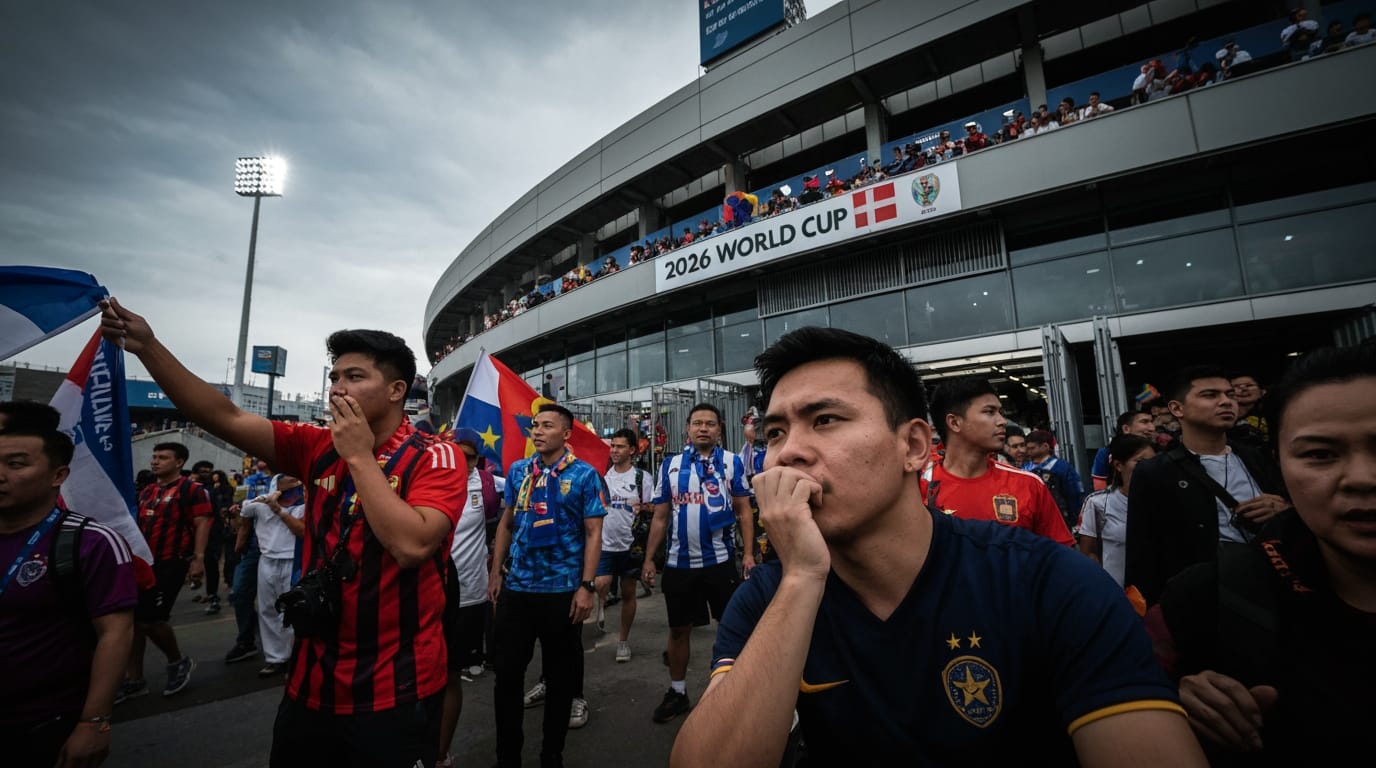
The world of football is set to converge on North America in 2026 for an unprecedented FIFA World Cup, marking the first time the tournament will be co-hosted by three nations: the United States, Canada, and Mexico. Kicking off on June 11, 2026, and concluding with the final on July 19, 2026, this edition promises to be the largest in history, featuring an expanded field of 48 teams competing in 104 matches across 16 host cities over 39 days. This monumental event is poised to redefine the World Cup experience, bringing with it immense opportunities and significant challenges for the host countries and the global football community alike.
Unprecedented Scale: A Continent-Spanning Tournament
The 2026 FIFA World Cup will be a truly continental affair, stretching across a vast geographical expanse. The United States will host the majority of matches, with 11 cities selected: Atlanta, Boston, Dallas, Houston, Kansas City, Los Angeles, Miami, New York/New Jersey, Philadelphia, San Francisco Bay Area, and Seattle. Mexico, a nation steeped in World Cup history, will host matches in three cities—Guadalajara, Mexico City, and Monterrey—becoming the first country to host or co-host the men's World Cup three times, following its solo efforts in 1970 and 1986. Meanwhile, Canada will make its debut as a men's World Cup host, with games scheduled for Toronto and Vancouver. This expansive setup contrasts sharply with previous, more concentrated tournaments, introducing a new dimension of logistical complexity but also offering unparalleled opportunities for fan engagement across diverse cultures and landscapes.
The Expanded Field: More Teams, More Matches
A significant departure from tradition, the 2026 tournament will feature 48 national teams, an increase of 16 from the 32-team format used in the preceding seven World Cups. This expansion translates to a total of 104 matches, 40 more than the 2022 edition. The new format divides the teams into 12 groups of four. Following a round-robin group stage where each team plays three matches, the top two teams from each group, along with the eight best third-placed teams across all groups, will advance to a newly introduced Round of 32. This structure means that teams reaching the semi-finals and final will play a total of eight matches, one more than the previous format, potentially placing greater demands on squad depth and player recovery. The expanded field also welcomes new participants to football's grandest stage, with nations like Cape Verde, Curaçao, Jordan, and Uzbekistan making their World Cup debuts.
Economic Winds and Logistical Hurdles
The sheer scale of the 2026 World Cup is projected to generate substantial economic activity across North America. A Boston Consulting Group study estimates over $5 billion in short-term economic impact, supporting approximately 40,000 jobs and generating more than $1 billion in incremental worker earnings. Individual host cities could see an economic boost ranging from $160 million to $620 million. However, the overall macroeconomic impact on larger economies like the United States and Mexico is anticipated to be more modest—around 0.05% of GDP for the U.S. and 0.1-0.2% for Mexico—partly due to their already robust infrastructure.
Beyond the economic benefits, the tournament presents significant logistical challenges. The influx of millions of visitors will place considerable strain on transportation networks, leading to potential traffic congestion and commuting delays in host cities. Industries such as hospitality, retail, food service, and transportation are preparing for increased demand, inventory movement, and regional distribution pressures. Environmental concerns also loom large, with an estimated carbon footprint between 10 million and 15 million tons of carbon dioxide and greenhouse gases, primarily attributed to extensive air travel across the three host nations. This has prompted calls for greater focus on sustainable infrastructure, waste reduction, and urban mobility improvements to mitigate ecological impact and ensure a positive long-term legacy.
Key Dates and Milestones
The 39-day tournament schedule is packed with crucial dates for football enthusiasts worldwide. The opening match is slated for June 11, 2026, at the iconic Estadio Azteca in Mexico City, where Mexico, automatically qualified as a host, will commence its campaign. The other co-hosts, Canada and the United States, will play their first matches on June 12. The group stage will conclude on June 27, setting the stage for the knockout rounds. The Round of 32 will take place from June 28 to July 3, followed by the Round of 16 from July 4 to July 7. The quarter-finals are scheduled for July 9-11, with the semi-finals on July 14-15. The tournament will culminate with the third-place match on July 18 and the grand final on July 19, 2026, at MetLife Stadium in New York/New Jersey.
Beyond the Pitch: Legacy and Human Interest
The 2026 World Cup aims to deliver more than just a football tournament; it seeks to create a lasting legacy of inclusive economic opportunity, community pride, and cultural celebration. For the first time in FIFA's history, human rights considerations were a part of the host city selection criteria, highlighting a commitment to social responsibility. Host cities are focusing on initiatives such as grassroots football programs, pitch development, youth mentorship, and sustainability efforts, striving to leave communities and the environment in a better state than they were found.
This tournament is also seen as a crucial market test for the growth of soccer in North America. Building on the momentum generated by the 1994 World Cup, which helped launch Major League Soccer, the 2026 event is expected to be a catalyst, solidifying the sport's place in the region's vast sports ecosystem. The focus is on translating global attention into sustainable institutions, increased access, and expanded opportunities for future generations of players and fans long after the final whistle blows.
The 2026 FIFA World Cup represents a monumental undertaking, distinguished by its unprecedented scale, expanded format, and continent-wide reach. While presenting considerable logistical and environmental challenges, it promises a transformative experience for players, fans, and host nations alike. As the world eagerly anticipates the kickoff, the tournament stands not only as a celebration of football but also as a powerful testament to global collaboration and the enduring legacy that major sporting events can forge across communities and cultures.