North Korea Grapples with Mounting Food Crisis as Severe Drought Threatens Essential Harvests
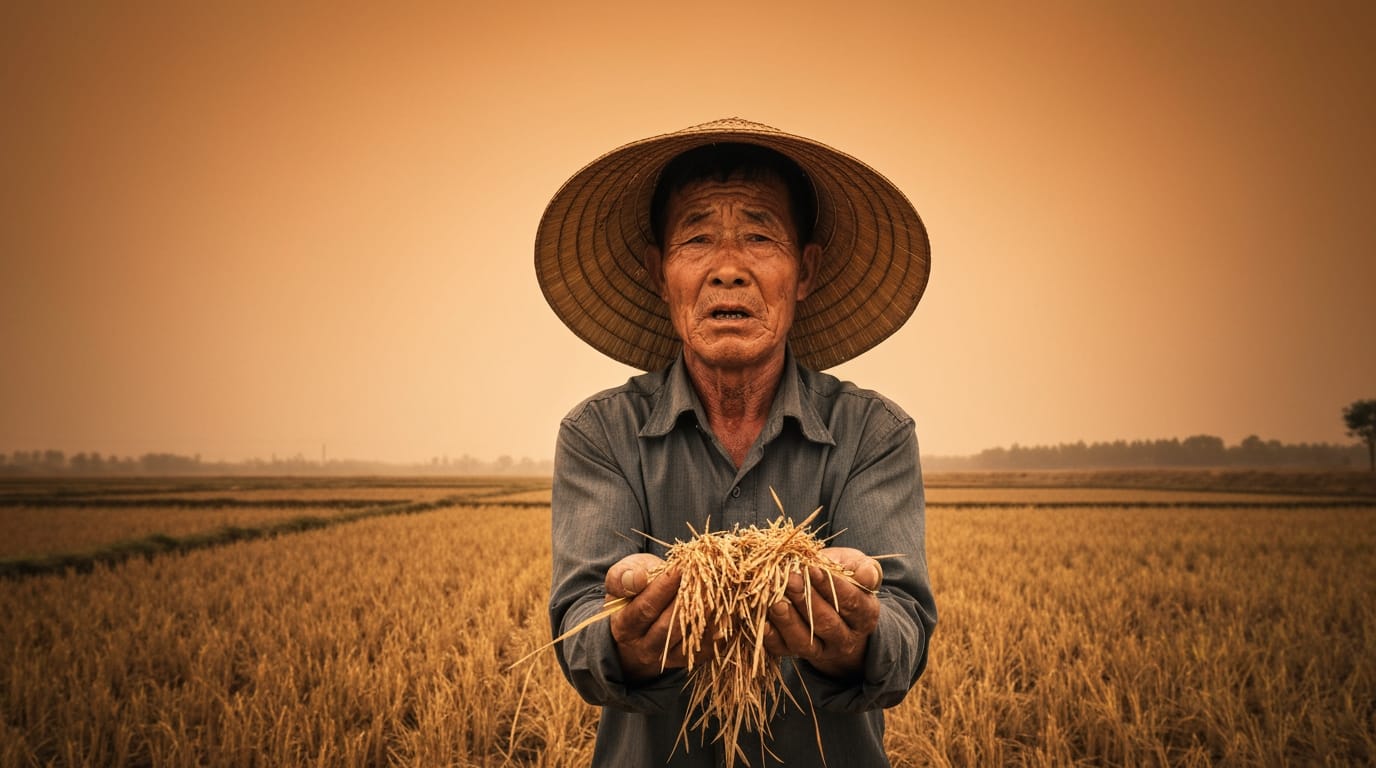
Pyongyang, North Korea – An unusually severe drought is tightening its grip on North Korea, casting a long shadow over the nation's already precarious food supply and raising fears of deepening humanitarian challenges. As vital crops wither in parched fields, the recurring specter of widespread hunger looms large over a population that has endured chronic food insecurity for decades. The current dry spell exacerbates an already fragile agricultural system, forcing the government to mobilize efforts in a desperate bid to protect critical harvests.
The Parched Earth and Diminishing Yields
North Korea is facing what state media describes as an "unusually severe drought" this year, a phenomenon rarely seen in recent times, with rainfall significantly below normal levels in crucial agricultural periods. The Korean Central News Agency (KCNA) has reported nationwide efforts to protect crops ahead of the critical rice planting season, emphasizing the urgent need for enhanced water management and irrigation. Premier Pak Thae-song has reportedly conducted on-site inspections in key farming regions, including South Pyongan and North Hwanghae provinces, to assess the growth of wheat and barley and coordinate measures to combat crop damage. Cities and districts are reportedly rushing to repair drainage gates and irrigation systems, while agricultural officials apply technical measures to boost drought resistance in staple crops like rice, maize, potatoes, and soybeans. These provinces are vital as they typically account for a significant portion of the country's main season cereal production.
The lack of sufficient spring rainfall directly impacts farming schedules and threatens to reduce agricultural output, further straining a food supply already deemed insufficient to meet minimum human needs. UN reports have consistently highlighted that even minor climate-related disasters can severely reduce agricultural production due to the country's limited resources and infrastructure.
A History of Hunger: Systemic Vulnerabilities
The current drought is not an isolated incident but rather the latest in a long history of environmental and systemic challenges that have plagued North Korea's food security. The nation's agricultural sector is inherently vulnerable, characterized by limited arable land, often poor soil quality, and a short growing season. Only about 17% of the total landmass is arable, with a significant portion being rugged mountain terrain. This geographical reality means that the country consistently falls short of meeting its food needs through domestic production alone.
The indelible scar of the "Arduous March" famine in the mid-to-late 1990s serves as a grim historical precedent, during which hundreds of thousands, potentially millions, perished due to starvation and related illnesses. That catastrophe was triggered by a combination of economic mismanagement, the collapse of Soviet support, and severe natural disasters, particularly widespread flooding. While immediate causes vary, the underlying structural issues, such as outdated infrastructure, capacity gaps in technology, lack of investment in agriculture, and an inefficient collective farming system, continue to hinder sustained food production. The government's long-standing policy of "Juche" (self-reliance) and a centrally planned agricultural system, which often lacks incentives for farmers and is prone to corruption, have been identified as major contributors to chronic food insecurity.
The Human Cost: A Population on the Brink
The consequence of these persistent food shortages is a population where undernourishment is widespread. According to a March 2025 UN report, nearly 46 percent of North Koreans were undernourished from 2020 to 2022, representing an estimated 11.8 million people suffering from chronic food insecurity. The World Food Programme (WFP) estimates that more than 40 percent of the population, approximately 10.7 million people, are undernourished and require humanitarian assistance. This leads to significant health implications, with studies showing high rates of stunting among children due to chronic malnutrition. Vulnerable groups, including children, pregnant and breastfeeding women, and the elderly, are disproportionately affected. Reports indicate instances of starvation, particularly affecting those without savings in rural areas. The Public Distribution System, on which a large portion of the population relies, has frequently been forced to cut rations. Moreover, inadequate dietary diversity means many lack essential proteins, fats, vitamins, and minerals.
Isolation and Aid: A Complex Calculus
North Korea's food crisis is further complicated by its self-imposed isolation, international sanctions, and a reluctance to fully engage with external aid organizations. Following strict border closures during the COVID-19 pandemic, which cut off virtually all imports, the situation deteriorated significantly, leading to concerns that food availability had fallen below the bare minimum. While trade with China has reportedly resumed, imports remain below pre-pandemic levels.
The international community, including UN agencies like the Food and Agriculture Organization (FAO) and WFP, has long provided assistance and monitored the situation. However, the delivery of aid is often fraught with challenges, including restrictions on humanitarian workers' access and difficulties in monitoring food distribution. Despite offers of humanitarian aid from countries like Russia, North Korea has sometimes rejected assistance, citing its capacity to overcome crises independently. Critics also point to the nation's vast expenditure on its nuclear and missile programs at the expense of investing in agriculture, suggesting that funds diverted from military spending could significantly alleviate food shortages.
A Cycle of Scarcity Demanding Sustained Attention
The confluence of recurring natural disasters, such as the current severe drought, and entrenched systemic vulnerabilities continues to trap North Korea in a persistent cycle of food insecurity. With a significant portion of its population facing undernourishment and the long shadow of past famines, the situation demands sustained international attention. Despite domestic efforts to mitigate the immediate impact of the drought and long-term goals for agricultural improvement, the structural issues, compounded by political isolation and economic sanctions, present formidable barriers to achieving lasting food security for the North Korean people. Without significant changes in policy, infrastructure, and international engagement, the specter of hunger will likely continue to haunt the reclusive nation.


