Nuclear Waste Shipments to Germany Spark Renewed Protests
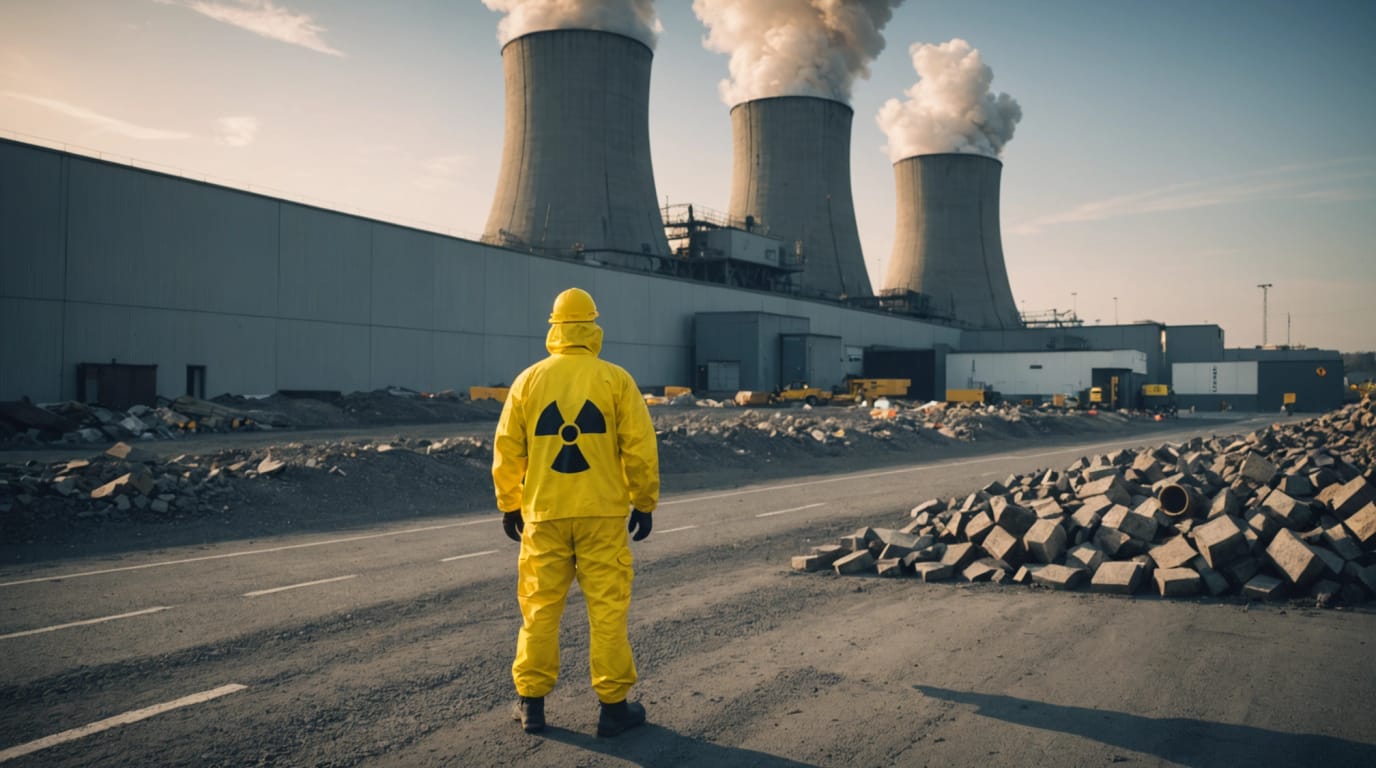
A shipment of reprocessed nuclear waste has arrived in Germany, triggering demonstrations and reigniting debate over the country's nuclear phase-out and waste storage policies. The arrival underscores the ongoing challenges Germany faces in managing its nuclear legacy, despite its decision to shut down all nuclear power plants.
The shipment, consisting of reprocessed waste from the Sellafield plant in England, arrived at a port in northern Germany. From there, the waste is transported by train to interim storage facilities, including the now-closed Biblis nuclear power plant south of Frankfurt. These transports have historically been met with strong opposition from anti-nuclear activists, who question the safety of the containers and the suitability of storage sites.
A History of Opposition
Germany has a long and active anti-nuclear movement. Opposition to nuclear power dates back to the early 1970s, with large demonstrations preventing the construction of a nuclear plant at Wyhl. This early success inspired similar movements across Europe and North America.
From the mid-1990s, protests have focused on the transport of radioactive waste in CASTOR (Cask for Storage and Transport Of Radioactive Material) containers. These shipments have become a focal point for anti-nuclear sentiment, drawing thousands of protesters who attempt to block the convoys through various means, including sit-down demonstrations and sabotaging railway tracks.
In 2010, protests against a nuclear waste shipment from France turned violent, with police using batons and pepper spray against activists, who responded with firecrackers. The train carrying the waste was ultimately delayed but continued to its destination.
The Nuclear Phase-Out and the Waste Problem
Following the Fukushima nuclear disaster in Japan in 2011, Germany accelerated its nuclear phase-out, deciding to shut down all nuclear power plants by the end of 2022. Eight reactors were permanently shut down in August 2011. While the last nuclear power plants were shut down, the problem of what to do with the waste remains.
The decision to abandon nuclear power has not resolved the issue of nuclear waste. Germany is still responsible for safely storing the waste produced by its nuclear power plants for thousands of years. This includes both waste that has been reprocessed abroad and waste stored domestically.
The Search for a Permanent Storage Site
Germany is currently searching for a permanent storage site for its high-level radioactive waste. The government launched a new search, with a final decision slated for 2031 and the aim to start using the selected site in 2050. The search procedure focuses on possible storage sites in rock salt, clay rock, and crystalline granite. The waste is to be stored for one million years and retrievable for the first 500 years.
The search for a permanent repository is a complex and politically sensitive issue. No community is eager to host a nuclear waste storage site, and there is strong local opposition to potential locations. The government faces the challenge of finding a site that is both geologically suitable and acceptable to the public.
Interim Storage and Future Challenges
In the meantime, nuclear waste is stored in interim facilities, often at the sites of former nuclear power plants. These facilities are designed to provide safe storage for a limited time, but they are not a long-term solution.
One such facility is the Schacht Konrad mine near Salzgitter, which is being converted into a final storage site for low and medium-level nuclear waste. The repository is under construction and is scheduled to begin operations in 2027, after substantial delays due to protests.
Germany's nuclear waste challenge is further complicated by international considerations. Switzerland, for example, is planning a repository site close to the German border, raising concerns about cross-border impacts and the need for international cooperation.
Conclusion
The return of nuclear waste to Germany underscores the enduring legacy of nuclear power, even as the country transitions to renewable energy sources. The protests surrounding these shipments highlight the deep-seated public concerns about nuclear safety and waste management. As Germany continues its search for a permanent storage solution, it must address these concerns and ensure the safe and secure disposal of its nuclear waste for generations to come. The decision to phase out nuclear power was only the first step in dealing with the challenges of nuclear energy.


