Nuclear's Looming Cleanup Bill Threatens Global Expansion Ambitions

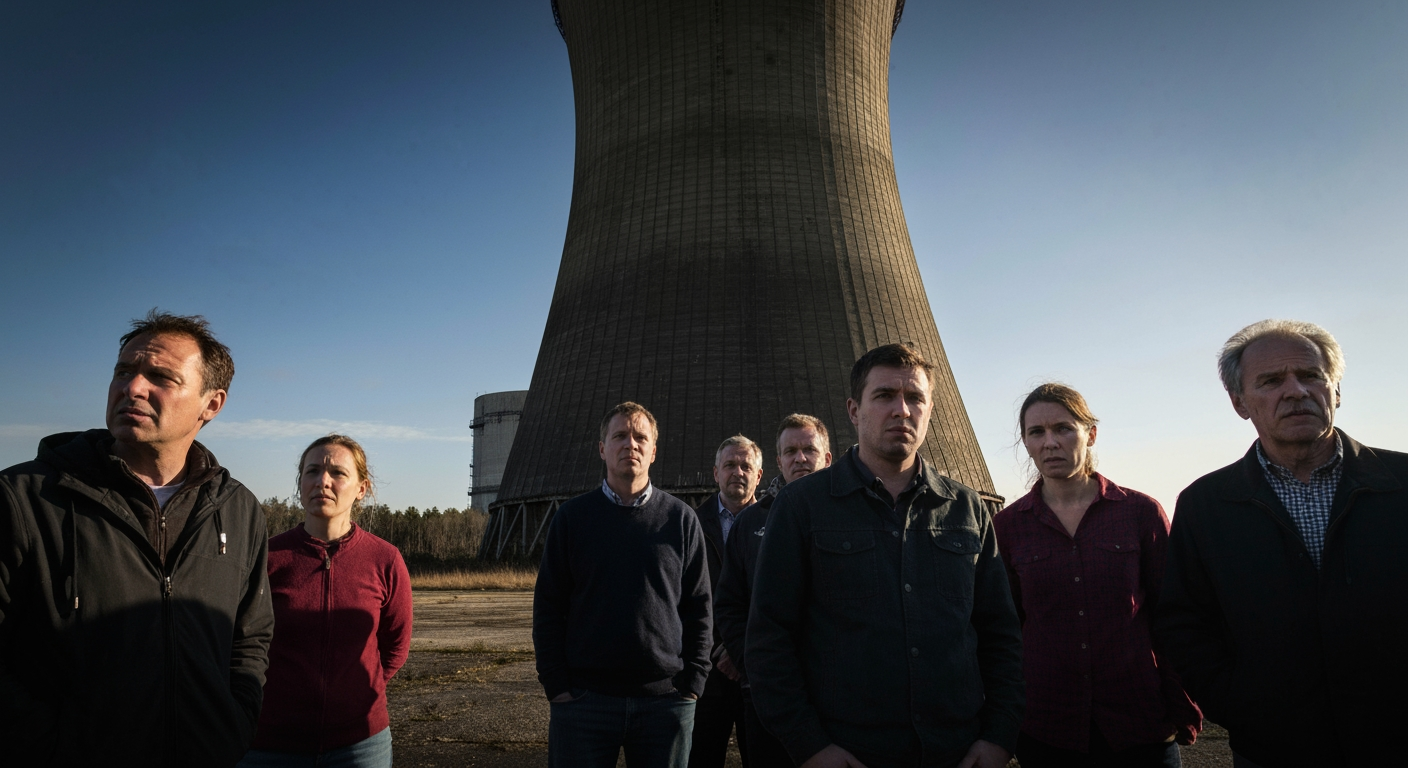
The global ambition for a nuclear energy renaissance, fueled by the urgent need for decarbonization and energy independence, faces a significant and escalating challenge: the staggering cost and complexity of cleaning up existing nuclear facilities and managing their radioactive waste. While nations race to build new reactors, a multi-trillion-dollar problem is quietly accumulating, threatening to undermine the economic viability and public appeal of nuclear power's envisioned expansion.
For decades, nuclear power has offered a powerful, dispatchable source of electricity without direct atmospheric carbon emissions, making it an attractive option in the fight against climate change. However, the full lifecycle costs, particularly those associated with decommissioning retired plants and safely disposing of radioactive waste, are proving to be immense and often underestimated. Experts warn that the clean-up of shuttered plants alone could globally become a trillion-dollar burden, predominantly impacting taxpayers and future generations.
The Astronomical Costs of Decommissioning
Decommissioning nuclear power plants is a monumental undertaking, both in terms of time and expense. The International Energy Agency (IEA) estimated that the cost of decommissioning nearly 200 reactors set to close by 2040 would exceed $100 billion. However, many specialists believe this figure is a considerable underestimate, as it frequently excludes the monumental costs of nuclear waste disposal and long-term storage. Decommissioning costs vary widely depending on factors such as reactor type, size, location, and the availability of disposal facilities, but generally range from $500 million to $2 billion per reactor, with more complex designs proving significantly more expensive.
The process itself is protracted, typically requiring 15 to 20 years for a single power reactor, and potentially more than three decades for larger facilities like spent fuel reprocessing plants. Examples abound of projects that have stretched far beyond initial timelines and budgets. The Soviet-era nuclear complex at Lubmin, for instance, remains unfinished after 35 years of dismantling efforts, having become one of the world's most expensive civil decommissioning projects. This lack of extensive historical experience in large-scale decommissioning means that current cost estimates often represent a minimum expenditure, as governments and energy agencies have limited precedent for such complex endeavors. The United Kingdom, for example, faces an estimated bill of £110 billion ($167 billion) over the next century for decommissioning and waste disposal, a figure that has doubled in just ten years.
The Unending Challenge of Radioactive Waste
Perhaps the most formidable financial and logistical hurdle is the management of radioactive waste, particularly high-level waste from spent nuclear fuel. Decades after the first nuclear power plants began operation, no country has yet established a permanent, deep geological disposal facility for this waste. This critical absence forces nations to store highly radioactive materials in temporary, on-site locations, incurring continuous costs and liabilities.
In the United States, the failure to implement a permanent solution for nuclear waste disposal results in an annual cost of approximately $500 million paid to utilities for simply storing spent fuel at reactor sites. The total projected penalties related to this unresolved issue could reach tens of billions of dollars. Similarly, Canada faces a $26 billion bill for the safe storage of depleted fuel from its reactors, with millions of fuel bundles accumulating and requiring management for potentially a million years. The lack of a definitive solution for long-term waste storage creates ongoing financial burdens and raises public apprehension regarding the safety and security of these materials.
Economic Roadblocks for Nuclear Expansion
The substantial and often unpredictable costs associated with decommissioning and waste management cast a long shadow over the economic case for new nuclear power plants. These expenses are in addition to the already high upfront capital costs and notoriously long construction periods that characterize nuclear projects. Projects are exposed to fluctuating interest rates and evolving electricity market prices for extended durations, contributing to significant cost overruns and delays.
The economic challenges are stark: while nuclear power offers a low-carbon energy source, its capital intensity and complex regulatory environment make it difficult for developers to secure funding, especially when competing against less capital-intensive and quicker-to-deploy energy technologies like wind or solar. In some deregulated electricity markets, where renewables are often given dispatch priority, nuclear plants struggle to compete on short-term price signals, leading to early closures of existing facilities and cancellations of proposed ones. This confluence of high initial investment, protracted construction timelines, and the unresolved long-term liabilities of cleanup and waste disposal significantly dampens enthusiasm for widespread nuclear expansion.
Navigating Towards a Sustainable Nuclear Future
Despite the daunting challenges, efforts are underway to mitigate these issues and chart a more sustainable path for nuclear power. A crucial distinction is emerging between "legacy waste" from early, less-regulated nuclear operations and waste generated by new builds. Modern regulations increasingly require comprehensive, funded decommissioning programs to be established before construction begins, aiming to prevent future generations from inheriting unfunded liabilities. However, the accuracy of long-term cost forecasts remains a concern, as the true expenses of waste disposal are still largely unknown.
Innovation in reactor design, particularly with Small Modular Reactors (SMRs), offers a potential avenue to reduce upfront capital costs and construction complexity, making nuclear power more financially accessible and quicker to deploy. Furthermore, some experts advocate for a shift in perspective, viewing cleanup not merely as a cost but as an investment that can transform contaminated sites into centers for nuclear innovation and economic development. The "Oak Ridge model" in the United States exemplifies this approach, turning a former uranium enrichment complex into a hub for future nuclear deployment through accelerated cleanup efforts. Such initiatives create jobs, attract investment, and demonstrate nuclear energy's potential for positive community impact.
The global push for nuclear energy, while vital for climate goals and energy security, stands at a critical juncture. The promise of clean, reliable power is undeniable, but it is inextricably linked to the industry's ability to confront and effectively manage its substantial and costly liabilities. Without comprehensive, long-term strategies for decommissioning and waste disposal that are transparently funded and technologically viable, the dream of nuclear expansion may remain just that – a dream, overshadowed by an ever-growing cleanup bill.
Related Articles


Record-Shattering Summer of 2023 Signals New Climate Reality, Defying Claims of Normalcy
GENEVA, SWITZERLAND – The summer of 2023 was anything but "normal," marked by an unprecedented cascade of extreme weather events and record-breaking temperatures across the globe, according to leading international...


Global Eco-Innovations Highlight Path to Sustainable Future
Across the globe, innovative approaches to environmental challenges are demonstrating tangible successes, offering a beacon of hope in the ongoing fight against climate change. From high-tech indoor farming in the...


Global Green Shoots: Hungary Embraces Solar, Marmots Stage Comeback, and Rome Reinvents Urban Living
In a world grappling with persistent environmental challenges, recent developments across Europe and North America offer a compelling narrative of progress, innovation, and resilience. From Hungary's unexpected ascent...