German Village Powers its Future: Feldheim Becomes a Beacon of Energy Independence
FELDHEIM, Germany – Nestled in the tranquil Brandenburg countryside, approximately 80 kilometers southwest of Berlin, lies the unassuming village of Feldheim. With a population of around 125 to 150 residents, this small community has achieved what many larger municipalities and even nations only dream of: complete energy independence. Since 2010, Feldheim has generated all its electricity and heat from local renewable sources, becoming Germany's first and only energy self-sufficient village and a global model for sustainable living.
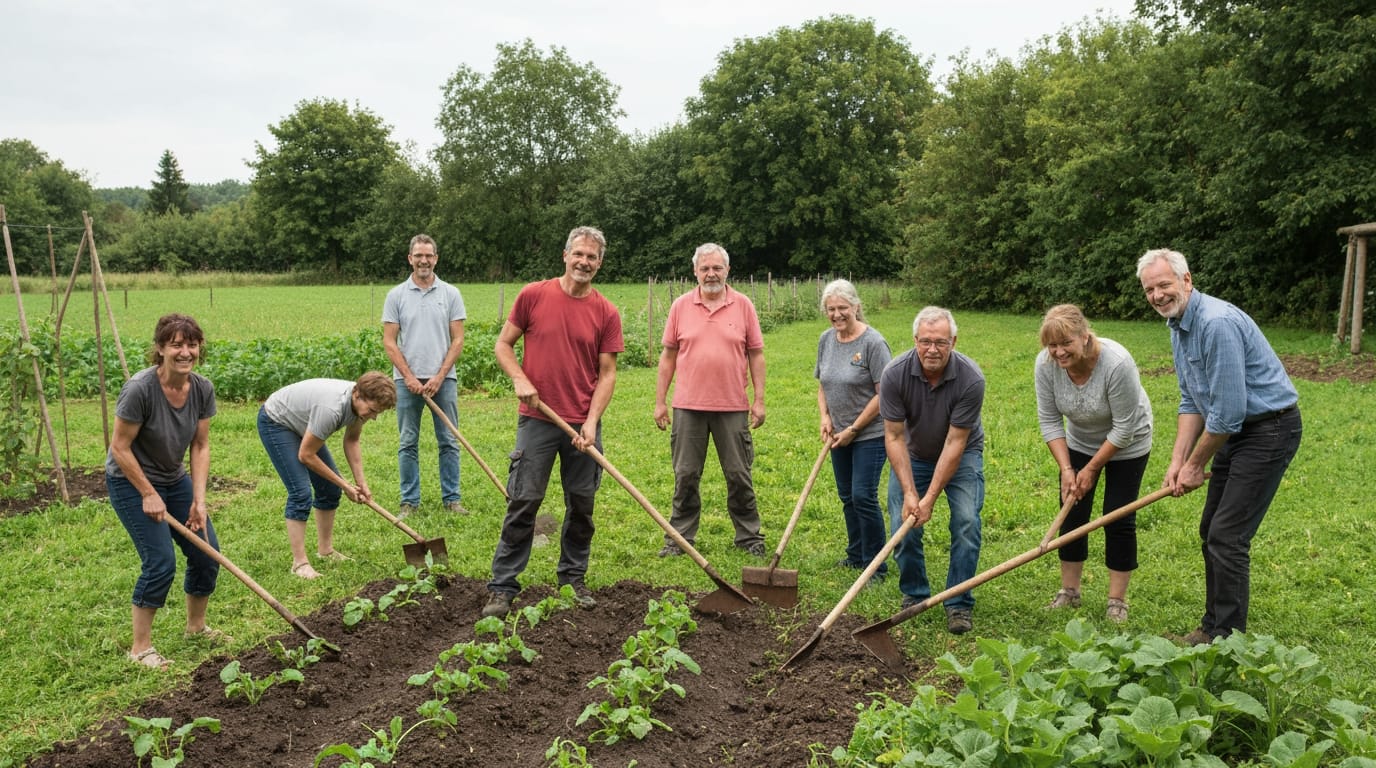
This remarkable feat, born from a blend of entrepreneurial vision, community spirit, and strategic investment, has transformed Feldheim from an obscure rural outpost into a vibrant hub for renewable energy innovation. Visitors from across the globe, including politicians, scientists, and activists, now flock to Feldheim to witness firsthand how a small village managed to disconnect from the national grid and forge its own sustainable energy future, drastically reducing costs and carbon emissions in the process.
A Seed Planted: The Genesis of an Energy Revolution
Feldheim's journey toward energy autonomy began modestly in the mid-1990s. The region's consistent strong winds and available land made it an attractive location for renewable energy development. In 1995, the first wind turbines were installed near the village by the alternative energy firm Energiequelle GmbH, a crucial partnership that would underpin Feldheim's future successes. What started as a few experimental windmills gradually expanded, with the community recognizing the immense potential these resources held for their long-term economic and environmental well-being.
The initial steps were collaborative, involving local residents and the nascent energy company. This early cooperation fostered a sense of shared ownership and vision, a critical element in the project's ultimate success. By the late 2000s, the ambition had grown beyond merely hosting wind turbines to actually harnessing and distributing this power for local consumption, sparking a more profound transformation for the village.
Forging an Independent Grid: Overcoming Hurdles
A pivotal moment arrived in 2008 when Feldheim decided to take direct control of its energy supply. The village aimed to build its own localized electricity and heating grids, severing its reliance on the traditional utility companies. This decision, however, was not without its challenges. The incumbent regional utility, E.ON, reportedly refused to sell or lease its existing power grid to the villagers.
Undeterred, Feldheim, in close collaboration with Energiequelle GmbH, embarked on the ambitious project of constructing its own smart grid from scratch. This endeavor required significant investment. While government subsidies and European Union programs provided some financial assistance, the villagers themselves played a direct role, with each resident contributing approximately €3,000 toward the new infrastructure. This collective investment underscored the community's commitment and determination to achieve energy independence. By October 2010, the new, independent electricity and district heating grids were fully operational, marking Feldheim's official transition to complete energy self-sufficiency.
A Symphony of Renewables: How Feldheim Generates Power
Feldheim's robust energy portfolio relies on a diverse mix of renewable sources, ensuring reliability and maximizing efficiency. The backbone of its electricity generation is a wind farm, which has grown to include between 43 and 55 wind turbines with a total installed electrical capacity of 74.1 megawatts. This massive output far exceeds the village's needs, with Feldheim itself requiring the power from just one turbine to meet its electricity demands. The surplus energy is then fed back into the national grid, generating additional revenue.
Complementing the wind power is a substantial solar farm, strategically located on a nearby former military site. This photovoltaic array generates enough electricity to power roughly 600 households annually, significantly more than Feldheim's approximately 40 homes. For heating, the village operates a biogas plant, constructed in 2008 and run by a local agricultural cooperative. This facility processes locally sourced pig and cow manure, corn silage, and whole-grain cereal to produce biogas, which in turn generates electricity and feeds a district heating network that warms homes and businesses throughout the village. This system reportedly saves the community the equivalent of 160,000 liters of heating oil each year. Additionally, a woodchip-fired heating plant, utilizing deadwood from local forests, serves as a reliable backup for particularly cold periods, completing the village's comprehensive, fossil-fuel-free energy matrix. The village is also reportedly constructing a hydrogen production center, indicating continued innovation.
Tangible Benefits and Global Implications
The transition to energy independence has yielded significant benefits for Feldheim's residents. Economically, villagers now pay approximately 31 percent less for electricity and around 10 percent less for heating compared to the national average. This insulation from fluctuating global energy markets and rising fuel prices has created financial stability for the community. Furthermore, the energy projects have stimulated the local economy by creating roughly 30 jobs, contributing to a vibrant and self-sustaining ecosystem.
Environmentally, Feldheim stands as a testament to sustainable practices. The village boasts a 100 percent carbon dioxide-neutral footprint for its heat and electricity, drastically reducing its contribution to greenhouse gas emissions. Beyond the local impact, Feldheim has emerged as a symbol of hope and a practical case study for renewable energy advocates worldwide. Thousands of visitors annually journey to this small village, eager to learn from its success and explore the possibility of replicating its model in their own communities. The New Energies Forum Feldheim (NEF) was established to manage these visits and educate school groups and delegations on the principles of renewable energy.
A Model for the Future, Not Without Nuance
While Feldheim's achievement is undeniably groundbreaking, experts acknowledge that direct replication of its model may not be universally applicable. The village's small size, abundant land for wind turbines, and agricultural activity providing biogas feedstock are unique advantages. However, the core principles of community involvement, strategic partnerships with energy developers, and a willingness to invest in localized renewable infrastructure remain highly transferable.
The success of Feldheim demonstrates that energy autonomy is not merely a distant ideal but a tangible reality achievable through concerted effort and innovative thinking. As Germany continues its ambitious "Energiewende" (energy transition) to shift towards an economy powered predominantly by renewables, Feldheim offers a compelling blueprint. It illustrates how decentralized energy systems can offer economic stability, environmental stewardship, and a heightened sense of community ownership, proving that even the smallest villages can lead the charge in the global energy revolution.