Oligui Nguema Secures Victory in Gabon's Presidential Election Following 2023 Coup
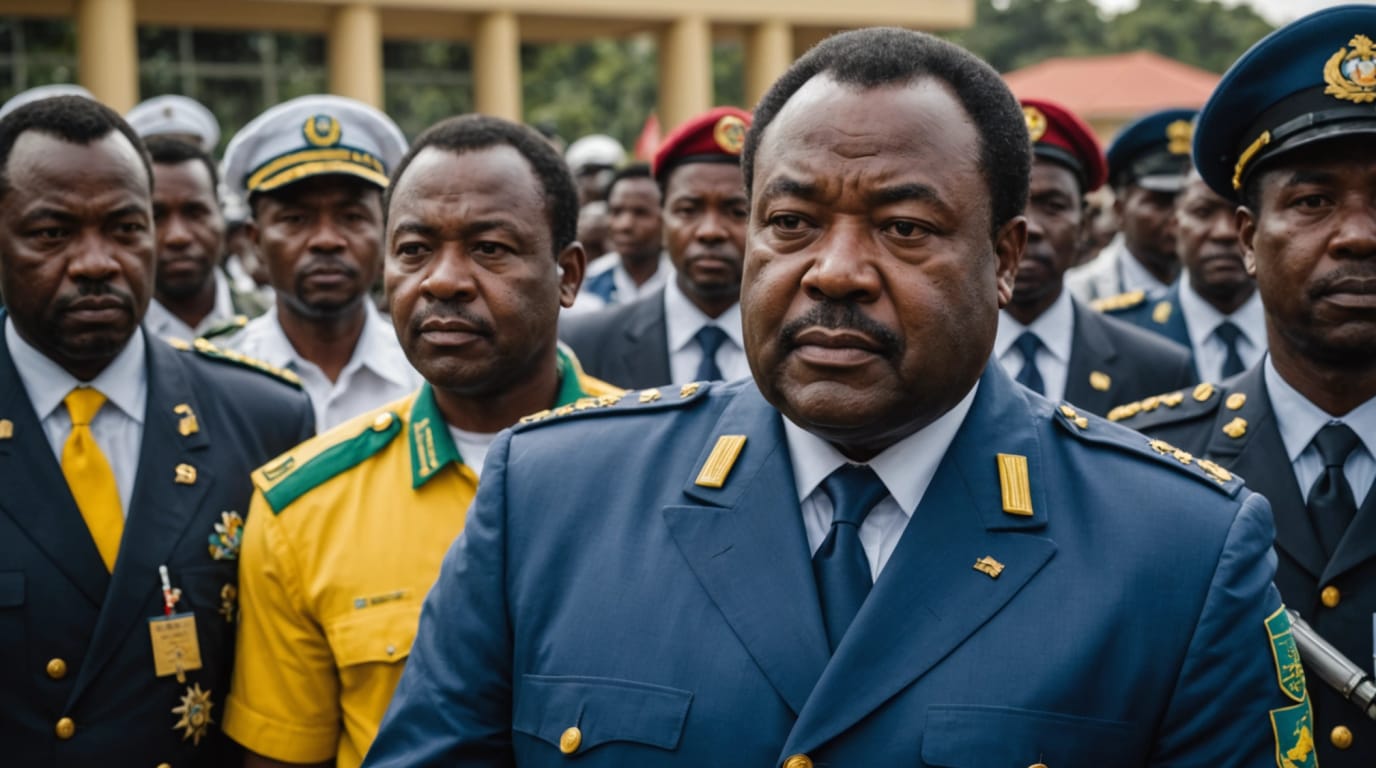
Gabon's junta chief, Gen. Brice Oligui Nguema, is poised to become the country's next elected president after provisional results showed him winning the April 12, 2025, election by a landslide. The election, the first since the military coup that ousted President Ali Bongo Ondimba in August 2023, is seen as a pivotal moment for the oil-rich Central African nation as it navigates a transition from decades of dynastic rule.
From Coup Leader to Presidential Frontrunner
Brice Oligui Nguema, who led the coup that ended the 55-year reign of the Bongo family, emerged as the clear frontrunner in the presidential race. The coup, which occurred shortly after Ali Bongo was declared the winner of the August 2023 election, was triggered by widespread allegations of fraud and irregularities. The military, under Oligui's leadership, annulled the election results, dissolved state institutions, and seized power, promising to restore civilian rule through credible elections.
Oligui, formerly the head of the Republican Guard and a cousin of Ali Bongo, took on the role of transitional president, overseeing the formation of a government that included civilians and tasked with drafting a new constitution. He campaigned on a platform of unity and hope, promising to transform Gabon and improve the lives of its citizens.
A Contested Path to Legitimacy
While Oligui's victory is widely anticipated, the election has been met with mixed reactions both domestically and internationally. Some view it as a necessary step towards restoring constitutional order after years of autocratic rule under the Bongo family. Others, however, see it as a move by the military to consolidate its power and legitimize the coup.
Alain Claude Bilie-By-Nze, who served as prime minister under Ali Bongo and emerged as Oligui's main challenger, has accused the junta leader of using state resources to bolster his campaign. Bilie-By-Nze, while pledging "a break with the old system and a new independence," also stated he did not expect the election to be fair or transparent. Despite these concerns, the government maintains that the election was free and transparent.
Gabon's Enduring Challenges
Whoever emerges as the victor will face significant challenges in addressing Gabon's pressing economic and social issues. Despite its vast oil wealth, a third of the country's 2.3 million people live in poverty. The nation grapples with high unemployment, regular power and water shortages, a lack of infrastructure, and heavy government debt.
The International Monetary Fund (IMF) noted that years of poorly managed oil wealth, weak inclusion, and stagnant incomes have contributed to the country's socio-economic challenges. Gabon's debt rose to 73.3 percent of GDP last year and is projected to reach 80 percent this year.
International Response and Regional Implications
The 2023 coup in Gabon drew condemnation from international organizations and governments, including the United Nations, the African Union, France, the United Kingdom, and Canada. Concerns were raised about the unconstitutional seizure of power and the need for a swift return to democratic governance.
Gabon's political transition comes amid a wave of coups in West and Central Africa, raising concerns about regional stability and the erosion of democratic norms. The Economic Community of Central African States (ECCAS) has called for a swift return to constitutional order in Gabon.
A New Chapter for Gabon?
As Gabon prepares for a new chapter under its likely next president, Brice Oligui Nguema, the country stands at a crossroads. The election presents an opportunity to break with the past and address the deep-seated challenges that have plagued the nation for decades. However, questions remain about the fairness and transparency of the electoral process, as well as the extent to which the new government will be able to deliver on its promises of reform and development.
The path ahead will require navigating complex political dynamics, addressing economic inequalities, and building trust among a population eager for change. Whether Oligui can successfully steer Gabon towards a more prosperous and democratic future remains to be seen.


