Opposition Leader Claims Majority of Hungarians Desire Change
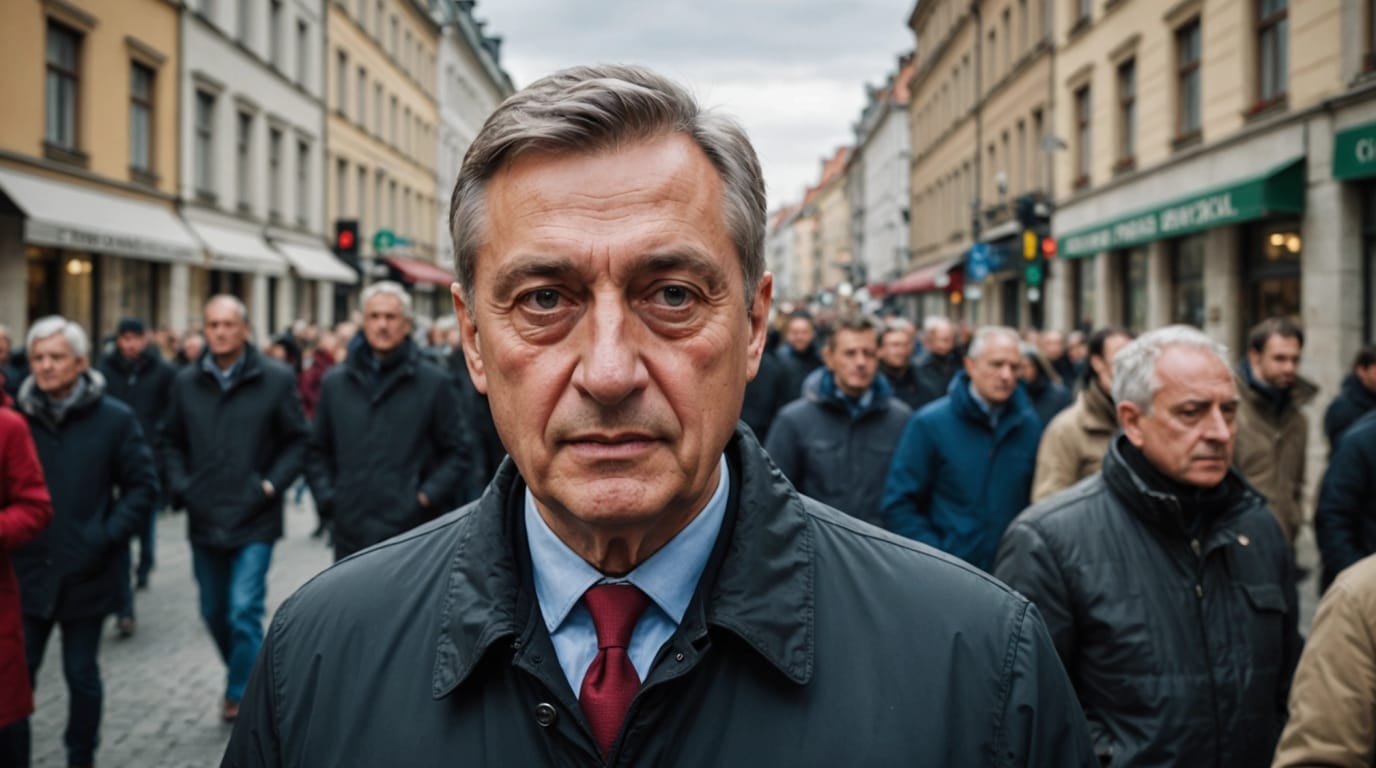
Hungary's political landscape is undergoing a significant shift as opposition leader Péter Magyar asserts that a majority of Hungarians are ready for a new direction. This claim comes amidst growing dissatisfaction with the long-standing rule of Prime Minister Viktor Orbán and his Fidesz party, which has dominated Hungarian politics since 2010. Magyar, a relatively new figure on the political scene, has rapidly gained popularity, presenting a formidable challenge to Orbán's authority and potentially reshaping the country's political future.
Magyar's Rise and Platform
Péter Magyar's emergence as a leading opposition figure is a recent phenomenon. Formerly associated with Fidesz, Magyar publicly broke with the party in early 2024, citing deep concerns about corruption and the direction of the country. This move immediately garnered attention, positioning him as a voice for those disillusioned with the current government.
Magyar's political platform centers on combating corruption, promoting transparency, and addressing the country's economic challenges, particularly the rising cost of living. He advocates for strengthening democratic institutions and fostering a more inclusive society. While specific policy details are still emerging, Magyar's message of change and reform has resonated with a significant portion of the Hungarian population.
Demonstrations and Public Support
The growing support for Magyar and his vision for Hungary has been evident in recent public demonstrations. Tens of thousands of people have gathered in Budapest and other cities to express their discontent with the Orbán government and rally behind Magyar's leadership. These demonstrations, often coinciding with national holidays, showcase the increasing momentum of the opposition movement.
On March 15, 2025, coinciding with Hungary's national day commemorating the 1848 revolution, two opposing demonstrations took place in Budapest. While Orbán addressed his supporters with a speech criticizing the European Union and defending his government's policies, Magyar led a large anti-government protest, calling for an end to corruption and a new era for Hungary.
Shifting Political Landscape
The rise of Péter Magyar has significantly altered the Hungarian political landscape. For over a decade, Orbán and Fidesz have maintained a firm grip on power, but Magyar's emergence has created a genuine challenge to their dominance. Recent polls suggest that Magyar's newly formed Tisza party is now neck and neck with Fidesz, or even leading by a few percentage points, an unprecedented development in recent Hungarian politics.
In the June 2024 European Parliament elections, Magyar's Tisza party secured a remarkable 30% of the vote, a strong showing for a new political force. This success has fueled optimism among opposition supporters and raised questions about the future of Orbán's leadership.
Orbán's Response and Counter-Measures
Faced with a growing challenge to his authority, Prime Minister Orbán has responded with a mix of defiance and counter-measures. He has accused Magyar and his supporters of serving foreign interests and attempting to destabilize the country. Orbán has also vowed to crack down on what he calls a "shadow army" of organizations and individuals allegedly working against Hungary's sovereignty.
In a recent speech, Orbán reiterated his criticism of the European Union, accusing Brussels of abusing its power and attempting to colonize Europe. He also repeated his call for Hungary to remain outside of the EU's efforts to support Ukraine, further highlighting the divisions within the country and its relationship with the international community.
Implications for the Future
The political developments in Hungary have significant implications for the country's future. The upcoming parliamentary elections in April 2026 will be a crucial test of whether Magyar can sustain his momentum and unseat Orbán. A victory for Magyar would represent a major shift in Hungarian politics, potentially leading to significant policy changes and a reorientation of the country's relationship with the European Union and other international partners.
However, even if Orbán manages to retain power, the rise of Magyar has demonstrated the existence of a strong desire for change among a significant portion of the Hungarian population. This suggests that the political landscape will remain contested and that the pressure for reform will continue to mount.
Conclusion
The claim by opposition leader Péter Magyar that a majority of Hungarians desire change reflects a growing sense of dissatisfaction with the current political establishment. Magyar's rapid rise, fueled by public demonstrations and a message of reform, has created a genuine challenge to Prime Minister Orbán's long-standing rule. As Hungary approaches the 2026 parliamentary elections, the political future of the country remains uncertain, but the demand for change is undeniable. The coming months will be critical in determining whether Magyar can capitalize on this momentum and usher in a new era for Hungary.


