Pakistan Imposes Curfews After Deadly Protests Erupt Over Iranian Leader's Death
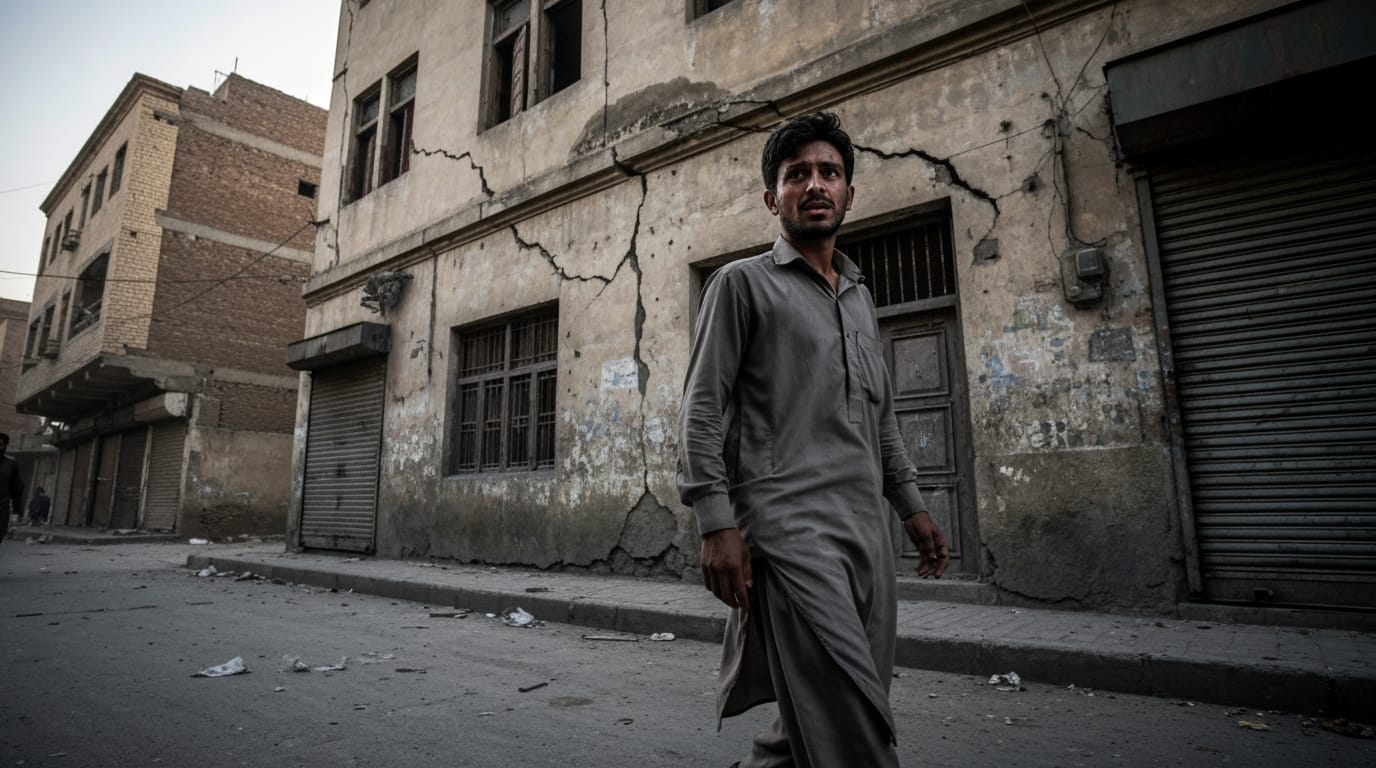
Islamabad, Pakistan – March 2, 2026 – Pakistani authorities have enforced three-day curfews and deployed military troops in several northern cities following violent protests that erupted in response to the killing of Iranian Supreme Leader Ayatollah Ali Khamenei in U.S.-Israeli strikes. The unrest, which began Sunday, March 1, has claimed at least 25 lives across Pakistan, leaving dozens injured and causing significant damage to public and diplomatic infrastructure. The swift imposition of stringent security measures underscores the volatile regional landscape and the deep emotional resonance of the events unfolding in the Middle East within Pakistan.
Unrest Grips Pakistani Cities as Tensions Escalate
The most severe impact of the protests has been felt in Pakistan's northern Gilgit-Baltistan region, where authorities imposed curfews before dawn on Monday in Gilgit, Skardu, and Shigar districts. This mountainous region, home to a significant Shia Muslim population, became a focal point of outrage following news of Khamenei's death. Clashes between protesters and security forces in Gilgit-Baltistan resulted in at least 13 fatalities and 80 injuries, with seven deaths reported in Gilgit and six in Skardu. One security personnel member was also killed during the confrontations.
The protests were not confined to the north. In the bustling southern port city of Karachi, demonstrators targeted the U.S. Consulate on Sunday, smashing windows and attempting to set the building ablaze. Police responded with batons, tear gas, and gunfire, leading to the deaths of at least 10 people and injuring more than 50 others. Further violence erupted in the capital, Islamabad, where one to two individuals were killed during an attempted march by Shiite demonstrators toward the U.S. Embassy. The widespread nature of the unrest prompted the U.S. Embassy and its consulates in Karachi and Lahore to cancel visa appointments and American Citizen Services on Monday, while the consulate in Peshawar temporarily closed, citing security concerns. U.N. facilities were also not spared, with thousands of Shia demonstrators attacking and vandalizing the offices of the U.N. Military Observer Group (UNMOGIP) and the U.N. Development Programme in Skardu city. Protesters also burned a police station and damaged a school and the offices of a local charity in Gilgit. U.N. spokesman Stephane Dujarric confirmed the violence near the UNMOGIP Field Station, emphasizing that the safety and security of U.N. personnel and premises remained a top priority.
The Catalyst: Assassination and Regional Fallout
The immediate trigger for the deadly protests across Pakistan was the killing of Iran's Supreme Leader Ayatollah Ali Khamenei in joint U.S.-Israeli strikes on Saturday, March 1, 2026. This unprecedented event dramatically escalated regional tensions, with Iran swiftly retaliating through a series of drone and missile attacks targeting Israel and U.S. assets in several Gulf countries.
The assassination of a prominent spiritual and political figure like Khamenei, who held immense influence over Iran's Shia majority, reverberated deeply within the Shia communities of Pakistan. Protesters, many carrying photos of the late Iranian leader, expressed profound anger and condemnation of the U.S. and Israeli actions, viewing them as a direct assault on the Islamic world. The incident quickly transformed into a powerful demonstration of solidarity with Iran, turning into anti-U.S. and anti-Israeli protests on Pakistani soil.
Pakistan's Diplomatic Tightrope Walk
The Pakistani government finds itself navigating a precarious diplomatic tightrope, balancing its condemnation of the attacks with the need to maintain stability both domestically and regionally. Prime Minister Shehbaz Sharif issued a statement on Sunday evening, condemning Khamenei's killing as a "violation" of international law, emphasizing the long-standing convention against targeting heads of state. He articulated Pakistan's solidarity with the Iranian people "in their hour of grief and sorrow."
Deputy Prime Minister and Foreign Minister Ishaq Dar echoed these sentiments on Monday, expressing Pakistan's condemnation of the attacks and calling for "restraint, diplomacy, and dialogue." Dar acknowledged that Iran's retaliatory strikes were conducted in self-defense, while also regretting the attacks on Gulf countries. Pakistani authorities have significantly beefed up security around U.S. diplomatic missions across the country to prevent further violence.
Pakistan's foreign policy has recently focused on improving relations with Iran, recognizing their shared history, geographic proximity, and intertwined security interests. However, the current crisis presents a significant challenge, forcing Pakistan to maneuver carefully to avoid being perceived as taking sides in the broader U.S.-Israel versus Iran conflict. This diplomatic challenge comes amidst other regional complexities, including ongoing cross-border conflicts with Afghanistan, which further strain Pakistan's stability.
Broader Implications and Regional Stability
The violent protests and subsequent curfews in Pakistan highlight the fragility of regional stability, particularly given the deep sectarian and geopolitical fault lines that traverse the Middle East and South Asia. The strong pro-Iran sentiment among a segment of Pakistan's population underscores the potential for external events to trigger significant internal unrest.
While the immediate cause of the Pakistani protests was the killing of Ayatollah Ali Khamenei, the region has seen heightened instability. In late 2025 and early 2026, Iran itself experienced a wave of widespread and deadly anti-government protests, triggered by economic woes, which were met with a brutal crackdown by Iranian security forces. Death tolls from those internal Iranian protests were estimated to be in the thousands, with some reports suggesting figures as high as 36,500. This history of internal dissent and harsh government response within Iran adds another layer of complexity to the region's overall volatility.
The events of the past few days underscore the interconnectedness of regional dynamics. The assassination of a key figure in Iran has not only ignited protests and deadly clashes in Pakistan but also significantly deepened the existing chasms of distrust and hostility between major global and regional powers.
As the three-day curfew remains in effect in Gilgit-Baltistan, and security remains tight across other major Pakistani cities, the nation holds its breath, hoping for a de-escalation of both internal unrest and broader regional tensions. The long-term implications for Pakistan's internal cohesion and its delicate foreign policy balance amidst an increasingly fractured Middle East remain uncertain. The coming days will be critical in determining whether calm can be restored and how this crisis will reshape the geopolitical landscape of South Asia.


