Pakistan Intensifies Deportation of Afghan Refugees Amidst Rising Concerns
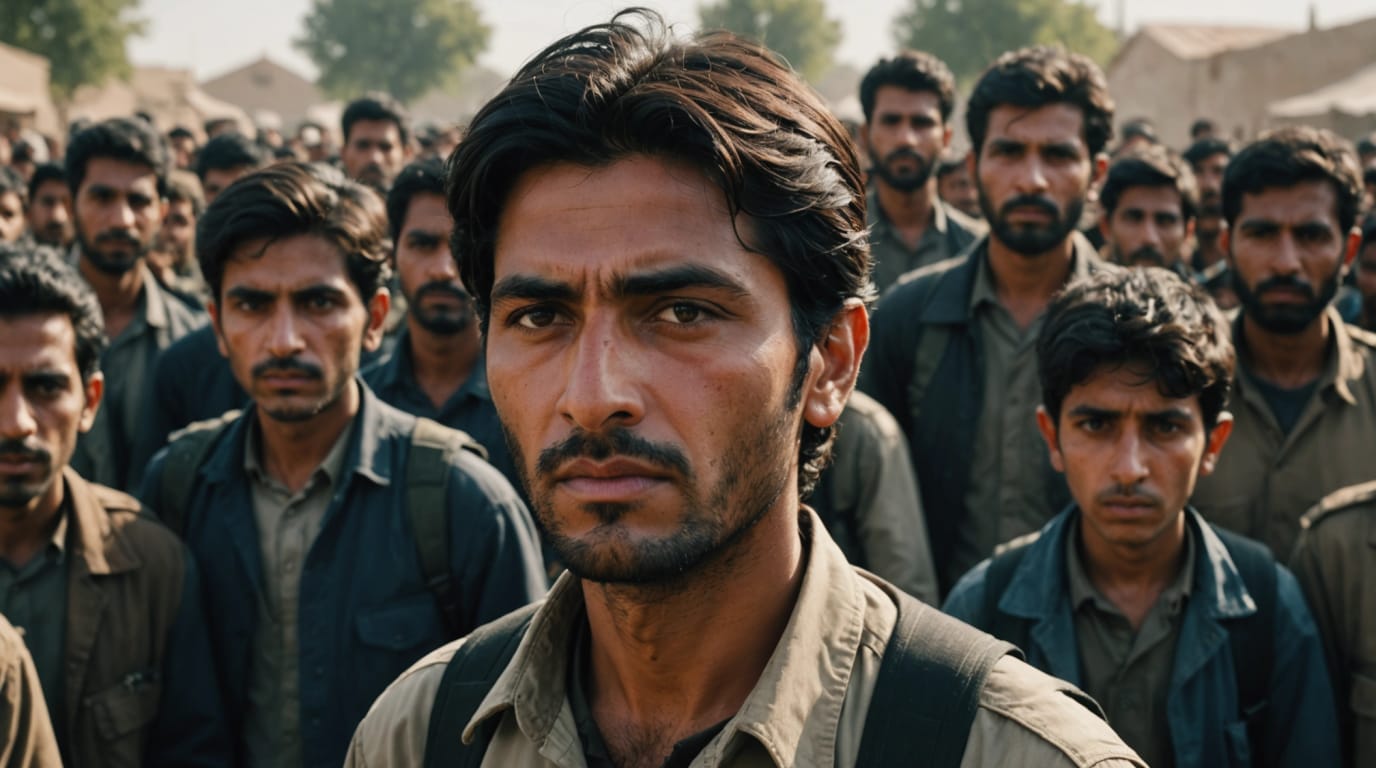
Pakistan is escalating its efforts to deport Afghan refugees, triggering widespread apprehension among human rights organizations and the international community. The deportations, which have been ongoing since late 2023, have ramped up significantly in recent weeks, particularly after the end of the Eid holiday in early April 2025. This move has forced hundreds of thousands of Afghans to return to a country grappling with political instability, economic hardship, and human rights concerns, especially for women and girls under Taliban rule.
Deportation Drive and Deadlines
The Pakistani government, under Prime Minister Shehbaz Sharif, has set firm deadlines for the departure of undocumented Afghans. A March 31, 2025, deadline was established for the deportation of those awaiting relocation to third countries unless their cases were expedited. The Interior Ministry has also announced that Afghans without official residence documents, including holders of Afghan Citizen Cards, must leave Islamabad and Rawalpindi or face deportation. Those holding Proof of Registration (PoR) cards were initially given until June 30, 2025, to depart.
These deadlines and intensified enforcement measures have led to a surge in arrests and detentions of Afghan citizens, particularly in Islamabad and Rawalpindi. The Afghan Embassy in Islamabad has described these actions as a deliberate attempt to expel all Afghan refugees from the country. While Pakistani officials have defended their stance, stating they are facilitating the return of Afghans to their home country, critics argue that the deportations are coercive and violate international law.
Humanitarian Crisis and Human Rights Concerns
The mass deportation has sparked warnings of a humanitarian crisis. Since 2023, more than 800,000 Afghans have returned to Afghanistan, either voluntarily or through forced expulsion, according to the International Organization for Migration (IOM). The United Nations High Commissioner for Refugees (UNHCR) and the IOM have jointly appealed to Pakistan to maintain protection for Afghans in need of safety, especially considering the ongoing human rights concerns in Afghanistan.
Human Rights Watch (HRW) has urged Pakistani authorities to immediately cease coercing Afghans to return home and provide those facing expulsion the opportunity to seek protection. Elaine Pearson, Asia director at HRW, emphasized that Afghanistan is not safe for forced refugee returns and called on countries that pledged to resettle at-risk Afghans to expedite their cases.
The Norwegian Refugee Council (NRC) has also voiced strong concerns about the deportations. Suze van Meegen, the NRC's Afghanistan Country Director, highlighted the enormous protection concerns for returning Afghans, including the lack of education, employment, and adequate resources to survive. She also noted the fear of persecution from the Taliban as a significant factor driving Afghans to seek refuge in Pakistan.
Impact on Afghan Refugees
The deportations have had a devastating impact on Afghan refugees, many of whom have lived in Pakistan for decades. Some were born in refugee camps and have never known life outside Pakistan. They fear being ostracized in Afghanistan due to their unfamiliarity with the culture and different accents.
For women and girls, the situation is particularly dire. With the Taliban's ban on education for girls aged 12 and above, many Afghan families are reluctant to return to a country where their daughters' futures are jeopardized. The lack of educational and employment opportunities, coupled with the risk of persecution, makes the prospect of returning to Afghanistan a source of immense anxiety and despair.
Benazir Ralphie, who fled Afghanistan as a child and has lived in Pakistan for 30 years, faces deportation and the potential destruction of her successful restaurant business. Her story exemplifies the deep ties that many Afghan refugees have formed with Pakistan and the devastating consequences of forced return.
Pakistan's Justification and Regional Implications
The Pakistani government has justified the deportations by citing a resurgence of violence in its Afghan border regions since the Taliban takeover in Kabul. They also claim that many Afghans are living in the country illegally. However, critics argue that these justifications fail to address the complex humanitarian and human rights issues at stake.
Pakistan has long hosted a large population of Afghan refugees, with estimates ranging from 1.45 million registered refugees to hundreds of thousands of undocumented individuals. The country's decision to ramp up deportations reflects a growing strain on its resources and a desire to address security concerns.
The deportations are likely to exacerbate the already precarious situation in Afghanistan, which is grappling with a severe humanitarian crisis and a struggling economy. The influx of hundreds of thousands of returnees will put further pressure on limited resources and could lead to increased instability.
International Response and Future Outlook
The international community has expressed growing concern over the deportations and their potential consequences. The UNHCR, IOM, and other organizations are working to provide assistance to returning Afghans, but the scale of the crisis requires a coordinated and sustained response.
Countries that have pledged to resettle at-risk Afghans are urged to expedite their cases and provide safe pathways for those fleeing persecution. Pakistan is called upon to halt the forced deportations and ensure that all Afghans have the opportunity to seek protection.
The future remains uncertain for Afghan refugees in Pakistan and for those returning to Afghanistan. The ongoing deportations highlight the urgent need for a comprehensive and humane approach to addressing the complex challenges of displacement and migration in the region. Without a concerted effort to protect the rights and dignity of Afghan refugees, the humanitarian crisis will only deepen, with potentially devastating consequences for individuals, families, and the region as a whole.


