Pakistan Launches Strikes Against Alleged Militant Hideouts Along Afghan Border Amid Rising Tensions
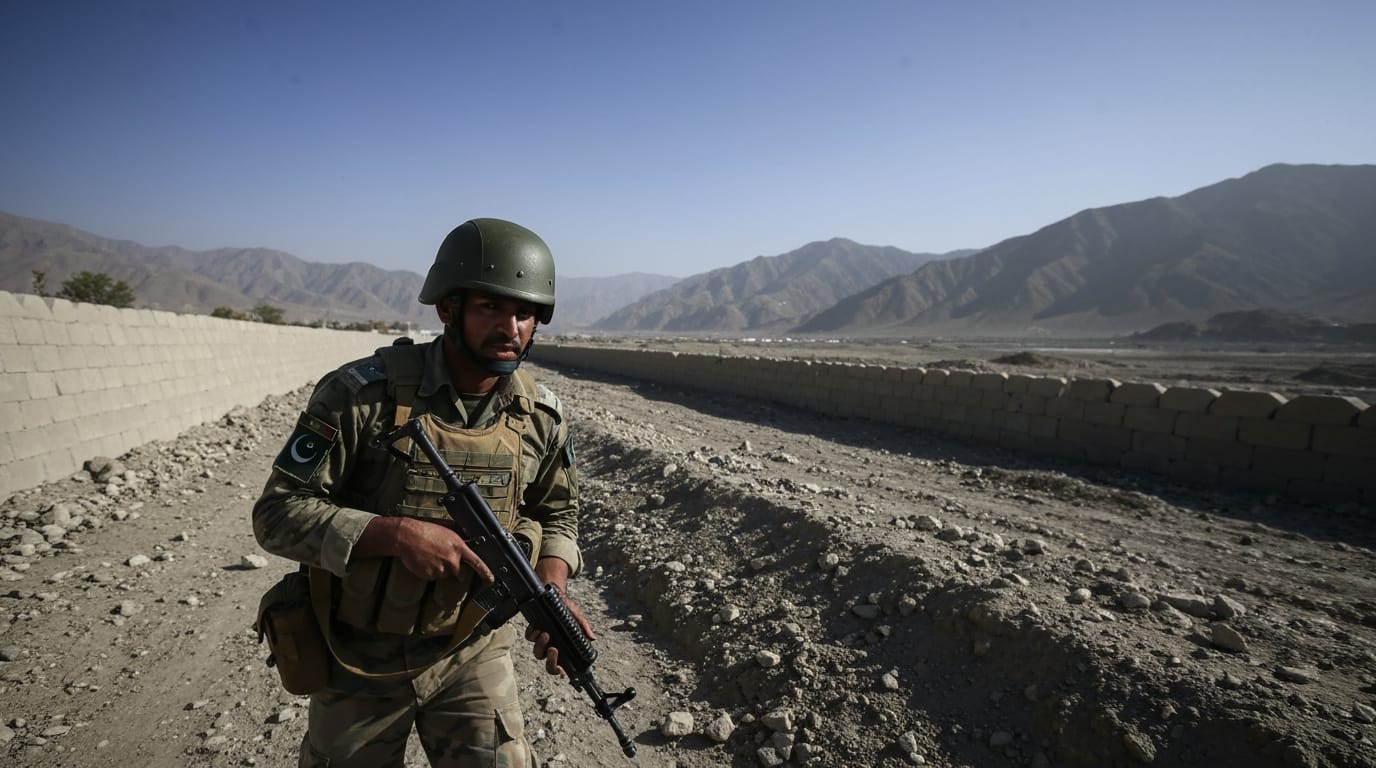
Islamabad has announced it carried out targeted strikes against alleged militant hideouts along its border with Afghanistan in the early hours of Sunday, February 22, 2026. The operations, which Pakistan described as "intelligence-based and selective," targeted groups Islamabad blames for a recent surge in deadly attacks within its territory. While specific locations were not disclosed by Pakistani authorities, social media reports and past patterns suggest the strikes likely occurred inside Afghan provinces bordering Pakistan. The action marks a significant escalation in cross-border tensions, underscoring the persistent security challenges plaguing the volatile region.
Cross-Border Operations Target Suspected Militant Infrastructure
Pakistan's Information Minister, Attaullah Tarar, stated that the military conducted operations against seven camps belonging to the Tehrik-i-Taliban Pakistan (TTP), also known as the Pakistani Taliban, and its affiliates. An affiliate of the Islamic State group was also targeted in the border region, according to the minister. The Pakistani government characterized these as "intelligence-based, selective operations," emphasizing a strategic and precise approach to dismantling militant infrastructure. However, Islamabad refrained from providing explicit details about the exact geographical areas where the strikes were conducted. Despite the lack of official Pakistani disclosure, information circulating on social media, alongside historical context, indicated that the strikes likely extended into Afghan territory, with some sources mentioning potential targets in Paktika and Nangarhar provinces. This unilateral military action follows a prior series of similar strikes undertaken by Pakistan in October (of the preceding year) and December 2024, further highlighting a recurring pattern of cross-border engagements aimed at militant groups.
Escalating Violence and Pakistan's Firm Stance
The latest military intervention by Pakistan comes in direct response to a series of escalating militant attacks that have plagued the country in recent weeks. Days prior to the strikes, a suicide bomber, reportedly an Afghan national, rammed an explosives-laden vehicle into a security post in Pakistan's Bajaur district, located in the northwestern Khyber Pakhtunkhwa province bordering Afghanistan. The devastating attack resulted in the deaths of 11 soldiers and a child, significantly ratcheting up tensions. Just hours before the cross-border operations, another suicide bomber targeted a security convoy in the nearby Bannu district, killing two additional soldiers, including a lieutenant colonel.
Pakistan has maintained that it possesses "conclusive evidence" linking these recent attacks, including a suicide bombing earlier this month in an Islamabad Shiite mosque that killed 31 worshippers, to militants operating under the direction of Afghanistan-based leadership and handlers. Following the violence on Saturday, the Pakistani military issued a stern warning, stating it would not "exercise any restraint" and that operations against those responsible would persist "irrespective of their location." This language signaled a definitive shift towards a more assertive posture against cross-border militancy. Islamabad has consistently urged Afghanistan's interim Taliban rulers to take verifiable steps to prevent militant groups from utilizing Afghan territory as a launchpad for attacks inside Pakistan. However, Pakistani officials have alleged that no substantive action has been taken by Kabul to address these concerns, contributing to the growing frustration that culminated in the recent strikes.
Afghanistan's Silence and Lingering Diplomatic Strain
As of early Sunday, there was no immediate official comment from the interim government in Kabul regarding Pakistan's claims of cross-border strikes. Historically, however, Afghan authorities have condemned such actions as a violation of their sovereignty and have consistently denied allegations of harboring militants who pose a threat to Pakistan. Previous Pakistani airstrikes, such as those conducted in March 2024, reportedly resulted in civilian casualties, including women and children, according to Afghan sources, which led to strong condemnations from Kabul. The TTP, a separate entity from the Afghan Taliban but closely allied with them, also denies operating from within Afghanistan.
Relations between the neighboring nations have remained tense for an extended period, particularly since October of the previous year, when deadly border clashes resulted in casualties among soldiers, civilians, and suspected militants. These incidents were often followed by reciprocal accusations, with Afghan officials blaming Pakistan for explosions in Kabul and vice versa. While a Qatar-mediated ceasefire has largely held in certain instances, diplomatic talks, such as those held in Istanbul, have failed to produce a formal agreement to de-escalate tensions and address underlying security concerns. The ongoing diplomatic deadlock, coupled with renewed military action, underscores the deep mistrust and strategic divergence between Islamabad and Kabul on matters of border security and counter-terrorism.
A Pattern of Conflict and Regional Implications
The recent strikes are not isolated incidents but rather part of a troubling pattern of cross-border military actions that have intensified since the Afghan Taliban's return to power in 2021. Pakistan conducted similar strikes in March 2024, December 2024, and October of the preceding year, primarily targeting alleged TTP strongholds. The TTP, an organization that has pledged allegiance to the Afghan Taliban, has been responsible for a significant increase in militant violence across Pakistan in recent years, particularly in the Khyber Pakhtunkhwa and Balochistan provinces that share a border with Afghanistan. Data indicates a substantial rise in attacks and fatalities, including a growing number of law enforcement personnel and civilians.
This cycle of violence poses significant challenges to regional stability. Pakistan has consistently called upon the international community to pressure Afghanistan's Taliban authorities to honor their commitments under the Doha agreement, which stipulates that Afghan soil must not be used to launch attacks against other countries. The current situation highlights the intricate web of militancy, porous borders, and strained diplomatic ties that characterize the Afghanistan-Pakistan relationship. The humanitarian implications of sustained conflict, including potential displacement and civilian casualties, also remain a grave concern for the region.
The latest Pakistani military action signals a heightened resolve to address the persistent threat of cross-border militancy, even at the risk of further exacerbating already strained relations with Afghanistan. While Islamabad cites national security imperatives and a surge in domestic terror attacks as justification for its actions, the lack of immediate response from Kabul leaves the path forward uncertain. The escalating cycle of accusation and retaliation threatens to further destabilize an already fragile region, demanding urgent and effective diplomatic engagement alongside comprehensive counter-terrorism strategies to prevent a wider conflict and alleviate human suffering.


