Pakistan Repels Coordinated Terror Attacks, Over 145 Militants Killed in Balochistan
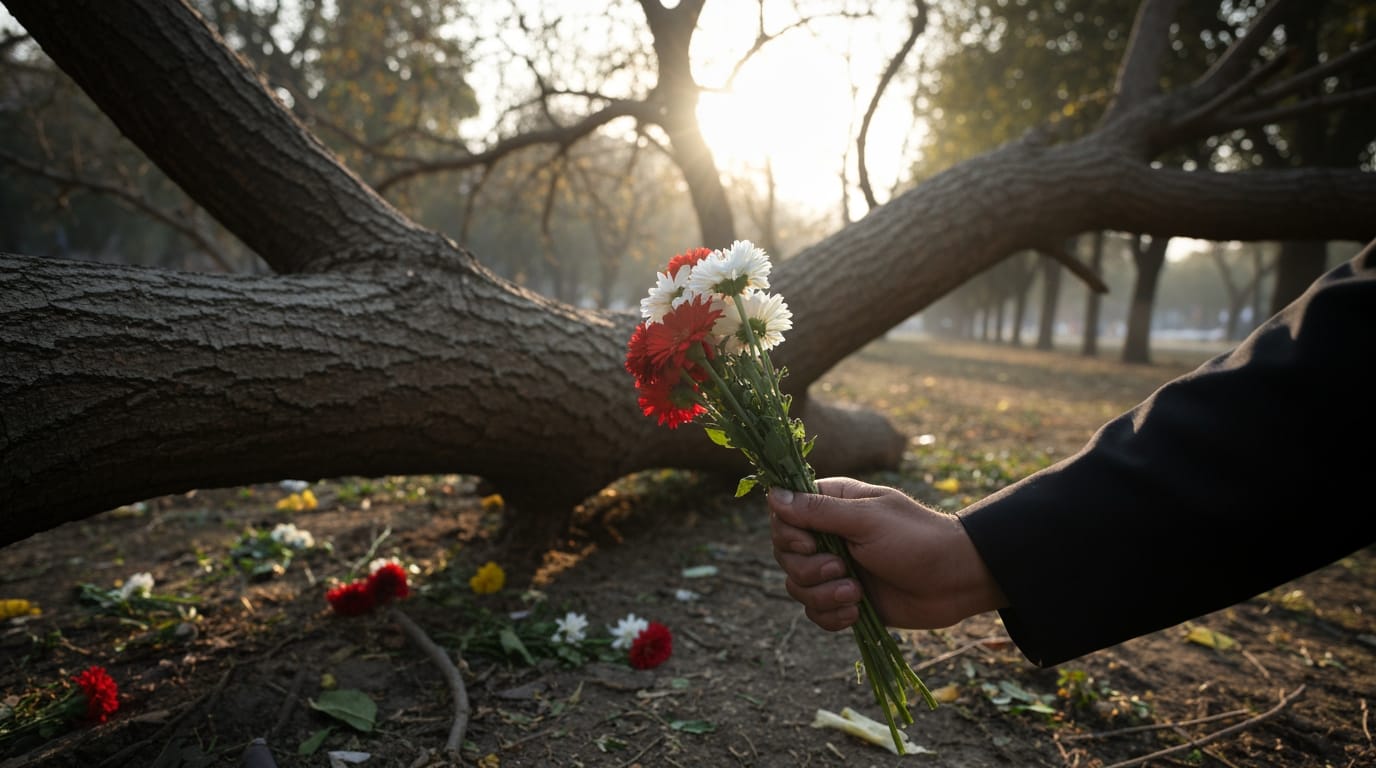
QUETTA, Pakistan – Pakistani security forces have neutralized over 145 militants following a series of coordinated gun and suicide attacks that struck across Balochistan province on Friday, January 31, 2026, marking a significant escalation in the region's protracted insurgency. The extensive counter-terrorism operations, spanning over 40 hours, successfully repelled assaults on numerous civilian and security installations, though the violence claimed the lives of at least 18 civilians and 15 security personnel. The Balochistan Liberation Army (BLA), a designated terrorist organization, claimed responsibility for the widespread assaults, which targeted over a dozen locations including the provincial capital of Quetta, Nushki, Dalbandin, Pasni, Gwadar, Mastung, and Kharan.
A Province Under Siege: Coordinated Attacks Unfold
The attacks commenced around 3:00 AM Pakistan Standard Time (PKT) on January 31, 2026, unleashing a wave of violence across at least nine districts in Balochistan. Militants, armed with guns, grenades, and suicide vests, launched assaults on police stations, paramilitary outposts, and even a high-security prison in Quetta, leading to prolonged gunbattles. Suicide bombings were specifically reported in Mastung and Nushki, indicating a sophisticated and multi-pronged approach by the attackers. In Gwadar and Kharan, civilians were among those killed during the clashes, highlighting the indiscriminate nature of the violence. State broadcaster Pakistan Television reported that members of an armed group carried out these coordinated attacks at more than a dozen locations, underscoring the audacity and scale of the operation. The BLA, in a statement, asserted that the attacks were simultaneous strikes on military and administrative targets, and even released videos reportedly showing female fighters participating in the operations.
Decisive Response: Security Forces Neutralize Threat
Pakistani security forces mounted a swift and robust response to the widespread aggression, initiating comprehensive counter-operations that resulted in a substantial number of militant casualties. Within 40 hours of the initial assaults, Balochistan Chief Minister Sarfraz Bugti confirmed that 145 militants had been killed, stating this was the highest number since Pakistan began its war on terror. Earlier reports from the Inter-Services Public Relations (ISPR), the media wing of the armed forces, indicated that 92 terrorists were killed during these counter-operations. These efforts followed prior military operations in the preceding days, which had already resulted in the killing of 41 militants in areas like Harnai and Panjgur, based on intelligence reports of terrorist presence. The Defence Minister, Khawaja Asif, stated that peace had been re-established in Balochistan, and security forces were engaged in "mopping-up operations" to ensure complete security. He also highlighted that attempts to target Frontier Corps (FC) headquarters in Nushki and Dalbadin were successfully foiled, preventing greater loss. Security forces were credited with thwarting most of the planned attacks, engaging in clearance operations that continued into the following day, thereby preventing even greater devastation.
The Human Cost and Regional Instability
The coordinated attacks resulted in significant human losses beyond the militant ranks. Official figures confirmed the deaths of 15 security personnel and 18 civilians, though some reports indicated higher numbers, with Balochistan's Chief Minister Sarfraz Bugti stating 17 law enforcement personnel and 31 civilian casualties. Tragically, among the civilian fatalities, 11 unarmed laborers were killed in Gwadar, including five men, three women, and three children, a death toll that was thoroughly investigated and confirmed. The attacks also caused considerable disruption, leading to the suspension of rail services, disruption of mobile phone services, and traffic congestion in affected areas. In a concerning development, militants freed 30 prisoners in Mastung after attacking a police station, and a local official was reportedly abducted in Nushki.
Balochistan, bordering Iran and Afghanistan, is Pakistan's largest province by area and is rich in hydrocarbons and minerals. Despite its natural wealth, it remains one of the poorest regions, with approximately 70% of its population living below the poverty line, contributing to a protracted insurgency that has plagued the province since the 1970s. Ethnic Baloch groups accuse the Pakistani government of exploiting the province's resources while marginalizing local populations. The BLA, which claimed responsibility for the recent attacks, is a group designated as a terrorist organization by Pakistan, the United States, and the European Union, and has a history of targeting security forces and infrastructure projects, including those linked to the China-Pakistan Economic Corridor. Analysts described these latest assaults as a retaliatory escalation, occurring after Pakistani military operations had killed militants in the preceding days, and marking one of the deadliest days for militants in recent years.
Geopolitical Echoes and International Condemnation
In the wake of the attacks, Pakistani officials were quick to assign blame, with Defence Minister Khawaja Asif and Interior Minister Mohsin Naqvi, alongside Chief Minister Bugti, alleging India's involvement. Asif specifically stated that intelligence and confessional statements from terrorists pointed to linkages with India, claiming the attacks aimed to destabilize Pakistan at a time of national progress. These allegations underscore the complex geopolitical landscape of the region, where cross-border tensions often fuel accusations of proxy warfare.
The international community swiftly condemned the acts of terrorism. Countries including Turkey, Qatar, and China expressed their solidarity with Pakistan in combating terrorism and offered condolences to the victims. China, a significant investor in Balochistan through the China-Pakistan Economic Corridor, particularly praised Pakistani forces for their effective response in thwarting the militants. This international support highlights the global recognition of the threat posed by such militant groups and the need for collaborative efforts to maintain regional security.
Moving Forward: A Continued Fight for Stability
The recent wave of coordinated attacks in Balochistan and the subsequent large-scale counter-terrorism operations serve as a stark reminder of the persistent security challenges facing Pakistan. While the decisive response by security forces has been lauded for neutralizing a significant number of militants and preventing further destruction, the underlying issues fueling the insurgency remain. The Balochistan government has expressed a firm resolve to eliminate terrorism, with Chief Minister Bugti assuring that the welfare of the martyrs' children is a governmental responsibility. The ongoing fight against these groups demands a multifaceted approach, combining continued military pressure with efforts to address socio-economic disparities and foster stability in the restive province. The memory of the innocent lives lost and the brave sacrifices of security personnel will undoubtedly strengthen the nation's resolve to achieve lasting peace and security in Balochistan and across Pakistan.


