Pakistani Journalist Charged Amid Growing Press Freedom Concerns
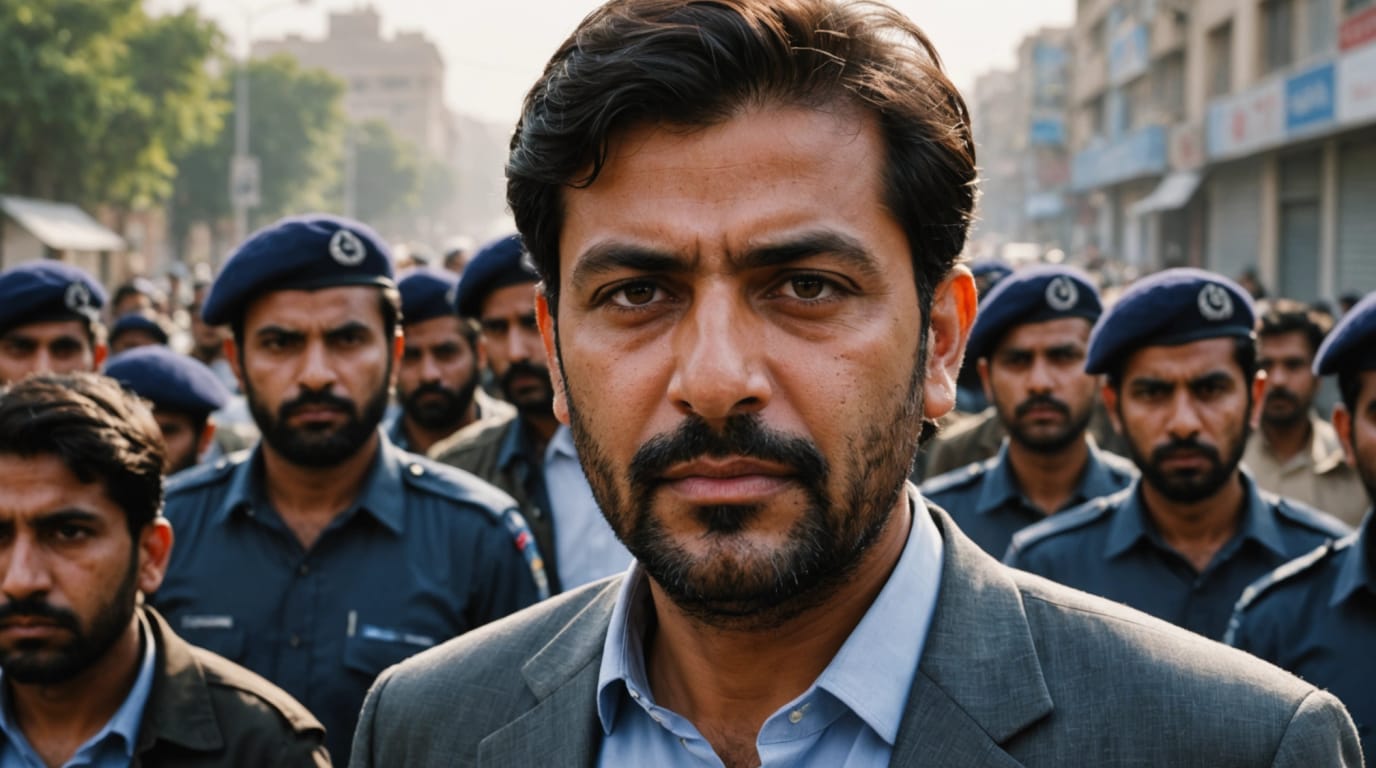
Pakistan's media landscape is facing renewed scrutiny as authorities charged a prominent journalist, Farhan Mallick, amid escalating concerns over press freedom in the country. Mallick's arrest and the charges levied against him have sparked outrage among journalist unions and international media watchdogs, who view the action as part of a broader crackdown on independent journalism and dissenting voices.
Mallick, the founder of the independent digital media platform Raftar, was apprehended on March 25, 2025, by the Federal Investigation Agency (FIA) in Karachi. The charges against him are based on the amended Prevention of Crimes and Electronic Crimes Act (PECA) and the Pakistan Penal Code (PPC). The FIA alleges that Mallick was involved in "generating and disseminating posts and videos related to anti-state, consisting of fake news and public incitement agenda."
This is not the first time Mallick has faced such actions. In December 2024, he was detained at Karachi Airport for five hours and barred from boarding a flight to Doha. These repeated incidents have raised serious questions about the government's commitment to protecting freedom of the press and expression.
Condemnation from Journalist Unions
Mallick's arrest has been met with strong condemnation from various journalist unions. The Sukkur Union of Journalists and the Pakistan Federal Unions of Journalists (PFUJ) have labeled the arrest a "suppression of truth and justice." The PFUJ has demanded Mallick's immediate release, denouncing the registration of what they claim is a fabricated case based on baseless allegations.
The International Federation of Journalists (IFJ) has also voiced its concern, describing Mallick's arrest and the raid on Raftar as a "hugely concerning case of state harassment against a news outlet publishing in the public interest." These statements highlight the growing apprehension within the journalistic community regarding the increasing pressure and intimidation faced by media professionals in Pakistan.
A Pattern of Coercion and Harassment
The FIA's actions against Mallick and Raftar appear to be part of a larger trend of state coercion and harassment targeting journalists in Pakistan. According to the IFJ's South Asia Press Freedom Report 2023-24, over 300 journalists and bloggers have been subjected to state coercion and harassment. This includes arrests, legal notices, and summonses for their journalistic work or personal dissent online.
Several other cases have drawn attention to the challenges faced by journalists in Pakistan. In September 2020, Bilal Farooqi, an editor with The Express Tribune, was charged with spreading hatred and defaming the military. Absar Alam, a senior journalist and former chairman of the Pakistan Electronic Media Regulatory Authority, was accused of publishing derogatory tweets against Prime Minister Imran Khan and state institutions. These cases, among others, have fueled concerns about a media crackdown in the country.
The Use of Cybercrime Laws
The charges against Farhan Mallick invoke the Prevention of Electronic Crimes Act (PECA), a law that has been criticized for its broad language and potential for misuse. Critics argue that PECA has been used to stifle dissent and target journalists and activists who express critical views online. The law's vague provisions regarding "cybercrimes" and "anti-state" activities provide authorities with wide discretion to interpret and apply the law in ways that restrict freedom of expression.
The application of PECA in Mallick's case raises concerns that the law is being used to silence independent media platforms and journalists who challenge the official narrative. The charges related to "fake news" and "public incitement" are particularly troubling, as they can be easily manipulated to target any reporting or commentary that the government deems unfavorable.
International Scrutiny and Calls for Reform
The situation in Pakistan has attracted international attention, with media watchdogs and human rights organizations calling on the government to protect press freedom and ensure the safety of journalists. These organizations have urged Pakistani authorities to investigate attacks on journalists, end the use of restrictive laws to stifle dissent, and create an environment where journalists can work without fear of reprisal.
The Committee to Protect Journalists (CPJ) has been particularly vocal in its criticism of the Pakistani government's actions. The CPJ has documented numerous cases of harassment, intimidation, and violence against journalists in Pakistan and has called on the government to take concrete steps to address the issue.
The Future of Press Freedom in Pakistan
The charging of Farhan Mallick underscores the ongoing challenges to press freedom in Pakistan. The case highlights the vulnerability of independent media platforms and journalists who are critical of the government or military. The use of cybercrime laws to target journalists raises concerns about the potential for further restrictions on freedom of expression online.
As Pakistan navigates a complex political and economic landscape, it is crucial that the government uphold its commitment to protecting press freedom and ensuring the safety of journalists. A free and independent media is essential for a healthy democracy, and any attempts to stifle dissent or restrict the flow of information will ultimately undermine the country's progress and stability. The international community will continue to monitor the situation closely and hold Pakistan accountable for its obligations to protect freedom of expression.


