Pakistan's Iran War Mediation Intensifies Pressure on Modi, Exposing India's Diplomatic Tightrope
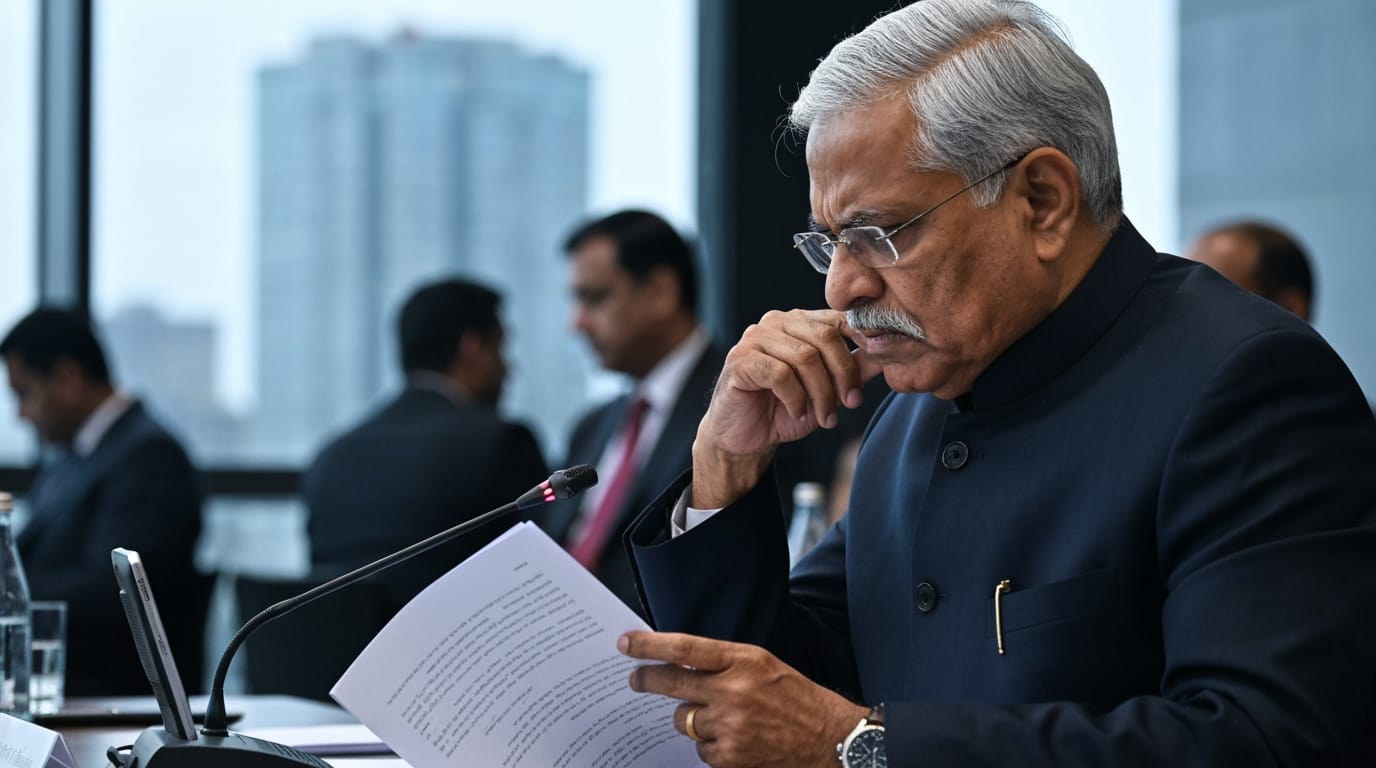
Islamabad's Proactive Role in De-escalation Effort Challenges New Delhi's Regional Ambitions Amid Escalating Middle East Conflict
In a swift and unexpected diplomatic maneuver, Pakistan has emerged as a key mediator in the escalating conflict between the United States, Israel, and Iran, actively facilitating back-channel communications and offering Islamabad as a potential venue for peace talks. This development has placed significant diplomatic pressure on India and Prime Minister Narendra Modi, whose government is grappling with the profound economic and strategic implications of the regional turmoil while facing accusations of being sidelined on the international stage. Pakistan's assertive push for de-escalation, praised by China and acknowledged by the US, starkly contrasts with India's cautious stance, challenging New Delhi's aspirations for regional leadership and forcing a re-evaluation of its nuanced foreign policy in the volatile Middle East.
Pakistan Steps into the Fray as Peacemaker
Pakistan has rapidly positioned itself as a central interlocutor in efforts to halt the escalating conflict between the US, Israel, and Iran. On Sunday, March 23, Pakistan's Army Chief, Asim Munir, reportedly held a phone conversation with US President Donald Trump, while Prime Minister Shehbaz Sharif engaged in talks with Iranian President Masoud Pezeshkian on Monday. Islamabad has even proposed hosting senior figures from the Trump administration and Iran for talks, signaling a robust commitment to mediating a peaceful resolution. This initiative builds on earlier signals from Pakistani leadership expressing readiness for diplomatic engagement.
Pakistan's unique position as one of the few US allies in the region not targeted by Iranian missiles and drones, coupled with its close ties to Gulf states (including a mutual defense pact with Saudi Arabia signed last year) and its significant Shia Muslim population, has bolstered its credibility as a neutral arbiter. Foreign Minister Ishaq Dar's "shuttle communication" between Tehran and Riyadh further underscores Pakistan's active mediation, balancing its financial lifeline from Saudi Arabia with its shared border and energy ties with Iran. China has also commended Pakistan's diplomatic efforts, highlighting its constructive role in promoting peace in the Middle East.
India's Balancing Act Under Strain
For India, the unfolding situation presents a complex and precarious challenge. New Delhi maintains significant strategic and economic interests with Iran, critical for energy security, regional connectivity, and access to Central Asian markets via Chabahar Port. Before international sanctions intensified, Iran was one of India's largest energy suppliers, and the port of Chabahar remains a crucial strategic asset for India, bypassing Pakistan for trade routes. India has historically sought to balance its relationships across the Middle East, including with Iran, while also cultivating deeper ties with the United States and Israel, especially under Prime Minister Modi's government. Modi's recent visit to Tel Aviv, just days before the US-Israel aerial assaults on Iran began, has drawn particular scrutiny, being viewed by some as a tilt towards Israel.
This intricate balancing act is now under immense pressure. The current US-Israel-Iran conflict, particularly around the Strait of Hormuz, directly impacts India's energy security, as the country imports approximately 85% of its crude oil needs, with a substantial portion passing through this strategic chokepoint. Disruptions in the Strait could lead to soaring crude oil prices, increased inflation, and a worsening current account deficit for India. Prime Minister Modi has acknowledged the "concerning situation" and assured Parliament that India has ample stocks of oil, coal, and fertilizers to manage potential disruptions, while emphasizing dialogue and diplomacy as the only path to resolution. India has successfully secured safe passage for its tankers through the Strait of Hormuz after talks with Iran, demonstrating the critical importance of its relationship with Tehran for maintaining energy flows.
Domestic Fallout and Geopolitical Reputations
The contrast between Pakistan's active mediation and India's more cautious diplomatic posture has not gone unnoticed domestically, particularly by opposition parties. Congress leaders Rahul Gandhi and Jairam Ramesh have sharply criticized the Modi government's foreign policy, calling Pakistan's mediation a "severe setback" and a "rebuff" to India. They argue that the government's decade-long strategy to isolate Pakistan has failed "spectacularly" and that India's "strategic autonomy has been quietly hollowed out." Some critics suggest that Modi's focus on building strong ties with Washington and Tel Aviv has inadvertently allowed India's influence in Tehran to wane at a critical juncture.
This perception of a diminished diplomatic role for India, especially in a region so vital to its economic and strategic interests, poses a significant challenge to the Modi administration's narrative of India as a rising global power and a "Vishwaguru" (world teacher). The crisis highlights the delicate balance India must strike between its traditional non-aligned principles and its evolving strategic partnerships, particularly when those partnerships clash in a high-stakes regional conflict.
Conclusion: A Redrawn Diplomatic Map
Pakistan's assertive mediation in the Iran conflict underscores a notable shift in regional diplomatic dynamics. While India navigates the economic fallout and carefully manages its diverse relationships in the Middle East, Pakistan's proactive engagement positions it as a significant player in regional stability efforts. This turn of events not only complicates India's strategic calculus but also intensifies domestic scrutiny of its foreign policy direction. As the Middle East remains a crucible of geopolitical tensions, both India and Pakistan will find their diplomatic mettle continually tested, potentially redrawing the map of influence in a region critical to global peace and economic stability.


