Palestinian Student Detained at Citizenship Interview, Sparking Outrage
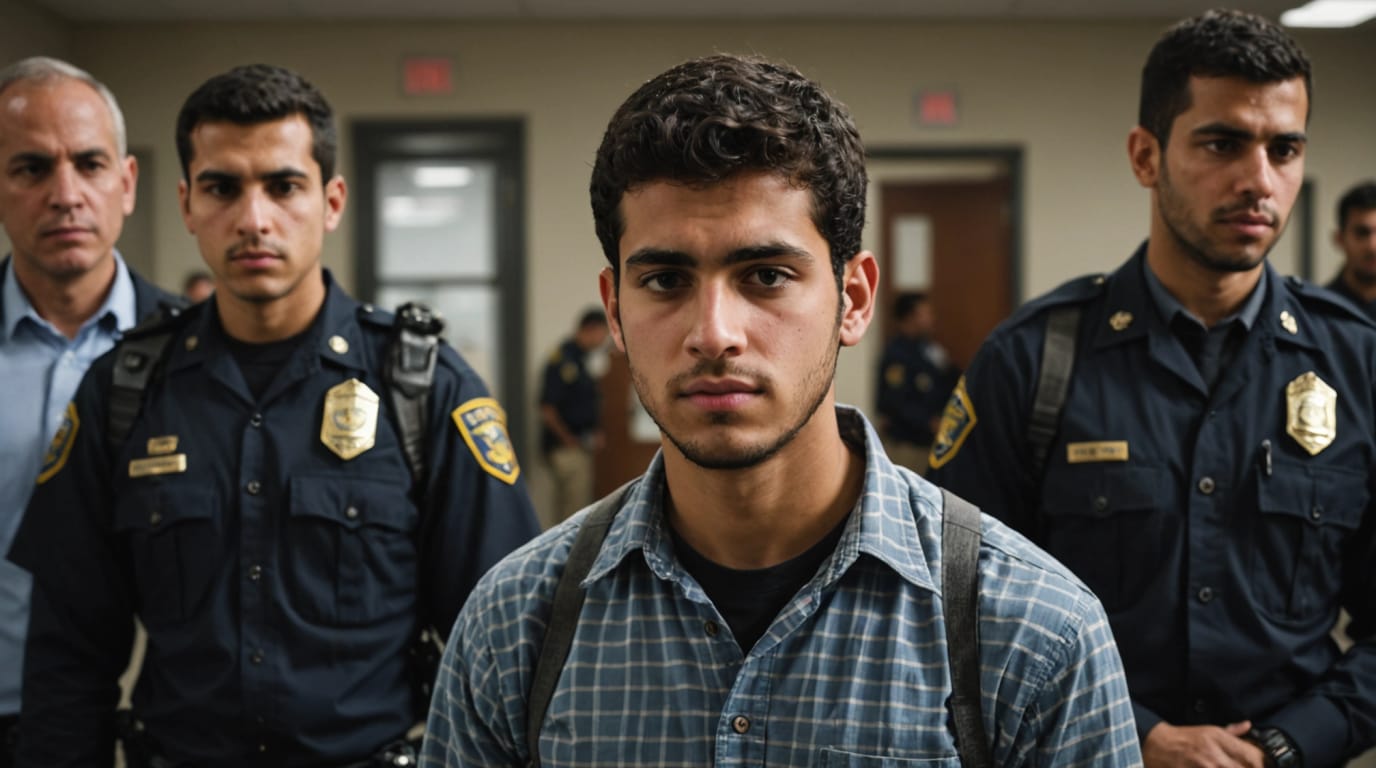
Mohsen Mahdawi, a Palestinian student and activist at Columbia University, was detained by Immigration and Customs Enforcement (ICE) agents Monday morning as he arrived for his citizenship interview in Colchester, Vermont. The arrest has ignited a wave of condemnation from legal advocates, civil rights groups, and lawmakers, who allege the detention is politically motivated and retaliatory.
Mahdawi, a legal permanent resident of the United States since 2015, has been a vocal advocate for Palestinian rights and a critic of Israeli policies, particularly the military campaign in Gaza. He has participated in and organized numerous protests on Columbia's campus, raising concerns that his activism may have led to his targeting by immigration authorities.
Arrest Details and Legal Response
According to his legal team, Mahdawi was taken into custody at the U.S. Citizenship and Immigration Services (USCIS) office. A video circulating on social media shows Mahdawi, in handcuffs, being escorted by federal agents to an unmarked vehicle. His attorneys have filed a habeas corpus petition in the U.S. District Court of Vermont, arguing that his detention is unlawful and violates his due process rights. A federal judge has since issued a temporary restraining order, preventing Mahdawi from being moved out of Vermont while his case is pending.
Luna Droubi, an attorney representing Mahdawi, stated that the Trump administration detained Mahdawi in direct retaliation for his advocacy on behalf of Palestinians and because of his identity as a Palestinian. She added that his detention is an attempt to silence those who speak out against the atrocities in Gaza and is unconstitutional.
Concerns Over Politically Motivated Targeting
Mahdawi's arrest comes on the heels of the detention of another Palestinian student and activist, Mahmoud Khalil, by ICE in March. Khalil, also a Columbia University student, faces deportation proceedings. These incidents have fueled concerns that the Trump administration is specifically targeting pro-Palestinian activists for immigration enforcement.
The timing of Mahdawi's arrest has also raised suspicions. The USCIS had reportedly moved his citizenship interview from December to this week, leading some to believe that the meeting was a setup. Mahdawi had been living in hiding since Khalil's arrest, fearing that he would be next.
Lawmaker Condemnation and Calls for Release
The Vermont congressional delegation, including Senators Bernie Sanders and Peter Welch, and Representative Becca Balint, issued a joint statement condemning Mahdawi's detention. They described the situation as immoral, inhumane, and illegal, emphasizing that Mahdawi, as a legal resident of the United States, must be afforded due process under the law and immediately released from detention.
The lawmakers stated that Mahdawi walked into an immigration office for what was supposed to be the final step in his citizenship process, only to be arrested and removed in handcuffs by plainclothes, armed individuals with their faces covered. They added that these individuals refused to provide any information as to where he was being taken or what would happen to him.
Background and Context
Mahdawi, who is from the West Bank and grew up in a refugee camp, has been living in the United States for a decade and holds a green card. He moved to the U.S. in 2014. He has been an active member of the Columbia University community, co-founding the Palestinian Student Union and participating in numerous rallies and demonstrations.
His activism has focused on raising awareness about the plight of Palestinians and advocating for an end to the Israeli occupation of Palestinian territories. He has also been critical of U.S. foreign policy in the Middle East.
Implications and Future Outlook
Mahdawi's detention has broader implications for freedom of speech and the right to protest in the United States. Civil rights advocates argue that the government should not be able to target individuals for immigration enforcement based on their political views or activism.
The case also raises questions about the use of national security grounds to justify the deportation of legal permanent residents. The Trump administration has cited a provision of the Immigration and Nationality Act of 1965, which allows for green card revocation if an individual is deemed a threat to U.S. foreign policy.
Mahdawi's legal team is working to secure his release and prevent his deportation. The temporary restraining order provides a temporary reprieve, but the legal battle is expected to be lengthy and complex. The outcome of his case could have significant implications for other pro-Palestinian activists and immigrants in the United States.
The case is ongoing, and further updates will be provided as they become available.


